What happened
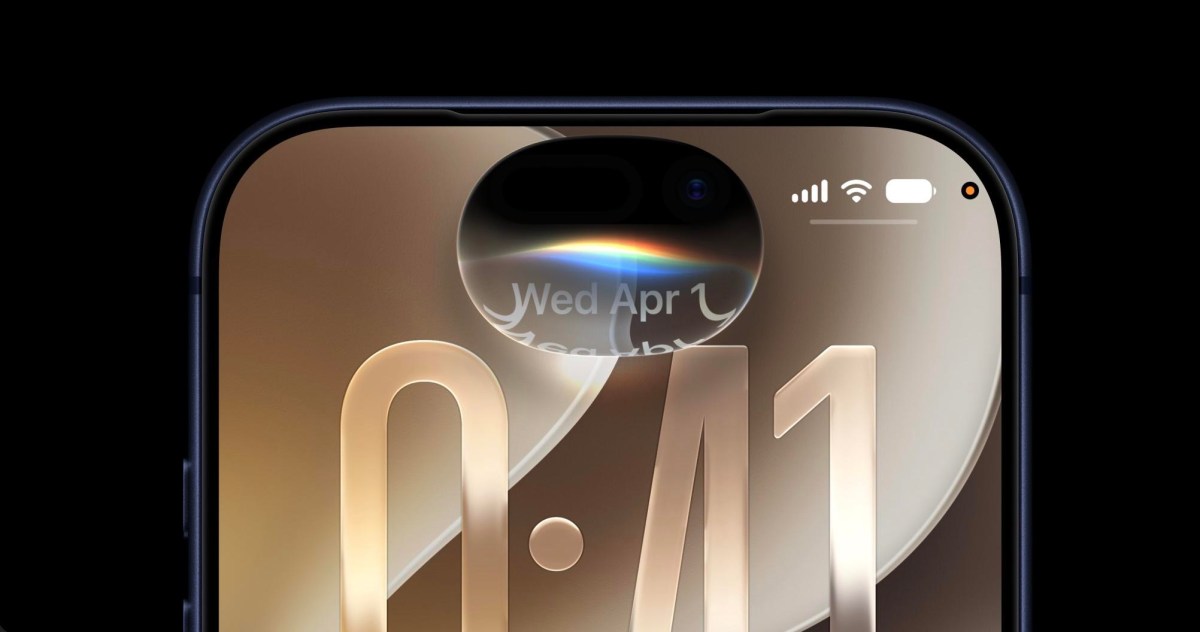
Apple's Craig Federighi said in an interview that the redesigned Siri is built to prioritize usefulness over engagement. Unlike existing chatbots from OpenAI, Google, and others, Siri will decline requests to engage as a romantic partner and redirect users to its core purpose of helping them accomplish tasks and learn.
Why it matters
Most chatbots are optimized to keep users engaged, often encouraging personal disclosures to build rapport. Apple took the opposite approach—Siri is designed to stay focused on utility rather than relationship-building, which reflects a different philosophy about how AI assistants should interact with people.
What to watch
Apple's testing has already shown Siri knows when to disengage, signaling this design principle is intentional and working as intended. The full implications will become clear once the updated Siri reaches users.
Summaries like this, in your inbox every morning.
Pick your industry and the AI tools you use, and get news related to your work every day.
Free · 30 seconds with Google · unsubscribe anytimeWhat is AIToday? →
Ask AI anything about this article. The AI reads this article, earlier AIToday articles, and Wikipedia, and cites its sources. Q&As are published on this page for other readers too.
Chunghwa Telecom president Rong-shy Lin said the shift from conversational AI to autonomous AI agents is resha…

CoreWeave fell 5% in premarket trading Friday and was on track to finish the week down 15%, after rebounding f…

Apple and Meta said they would jointly release a new open-weight AI model designed to run on high-end Macs, ai…

Investors put $38.5 billion into Asian startups in Q3, per Crunchbase data

A longtime Anthropic investor told Fortune he expects shares priced around $1.8 trillion, below the company's…

In Q2, billionaires or their funds sold six 'Magnificent Seven' AI stocks


