For a $10,000 investment, an analyst recommends two industrial stocks—Eaton and Powell Industries—that are capturing demand from the AI-driven electricity and data center build-out, while warning against Boeing despite its recent delivery momentum. Eaton's data center orders surged 240% year-over-year with an 11-year backlog; Powell posted a 97% surge in new orders and landed its largest-ever deal worth more than $400 million(約640億円) tied to data centers. Boeing, however, carries roughly $54 billion(約8.6兆円) in debt against roughly $29 billion(約4.6兆円) in cash and faces repeated program delays, making it a riskier turnaround play than cleaner, better-capitalized alternatives.
Summaries like this, in your inbox every morning.
Sign up free →What happened
An investment analyst recommends buying Eaton and Powell Industries while avoiding Boeing for a $10,000 portfolio. Eaton's data center orders jumped roughly 240% year-over-year with a backlog representing roughly 11 years of construction at current build rates; Powell saw new orders surge around 97%, a record backlog, and its largest single order ever at more than $400 million(約640億円) for a data center project. Boeing carries roughly $54 billion(約8.6兆円) in debt against about $29 billion(約4.6兆円) in cash (as of Q1), with its 777X program delayed into 2027 and saddled with a nearly $5 billion(約8000億円) charge.
Why it matters
Eaton and Powell both benefit directly from the electricity and data center expansion driven by artificial intelligence, giving them strong, contracted revenue visibility. Eaton is diversified across grid modernization, factory reshoring, and electrification of buildings and aircraft; Powell, smaller and debt-free, offers higher upside per dollar but greater volatility. Boeing, by contrast, relies on a turnaround narrative while carrying a precarious balance sheet—a riskier bet than industrials already delivering results.
What to watch
Eaton is management-raising its 2026 growth outlook and spending $1.5 billion(約2400億円) to expand manufacturing; Powell holds hundreds of millions in cash with no meaningful debt. Boeing's 777X program faces a fresh engine durability problem, the latest in a history of certification setbacks, making the timing and profitability of its recovery uncertain.
When a $10,000 investment opportunity emerges in the industrial sector, the analyst identifies three contrasting cases. Eaton (ticker ETN) is positioned as the electrical backbone of the AI era, manufacturing equipment that moves and manages power inside data centers, factories, and the electrical grid. Its data center orders recently jumped roughly 240% year-over-year, and its total data center backlog now represents roughly 11 years of construction at current build rates—a level of visibility that is extraordinary for an industrial. Management has raised its 2026 growth outlook and is spending $1.5 billion(約2400億円) to expand manufacturing to meet demand. Critically, Eaton is not a pure data center play; it also profits from grid modernization, American factory reshoring, and the electrification of buildings and aircraft, meaning multiple powerful trends push in the same direction. The tradeoff is valuation: after a strong run, Eaton trades at a premium, so a slowdown in data center spending would hurt. Nevertheless, the analyst sees this as a quality, diversified market leader riding a multi-year wave that justifies the premium for long-term compounding.
Powell Industries (ticker POWL) is presented as the smaller, higher-leverage alternative to the same trend. It builds electrical equipment for utilities, energy projects, and increasingly data centers. Its balance sheet is pristine: hundreds of millions in cash with no meaningful debt. Recently, new orders surged around 97%, backlog hit a record, and the company landed its largest single order ever—more than $400 million(約640億円)—tied to a data center project. Because Powell is a fraction of Eaton's size, each big win moves the needle far more, providing greater torque as the build-out continues. The tradeoff is volatility: smaller industrials are more exposed to a slip in any single project, and the stock has already climbed sharply. Still, a debt-free company with a booming order book fits the analyst's profile for a smaller, higher-upside position.
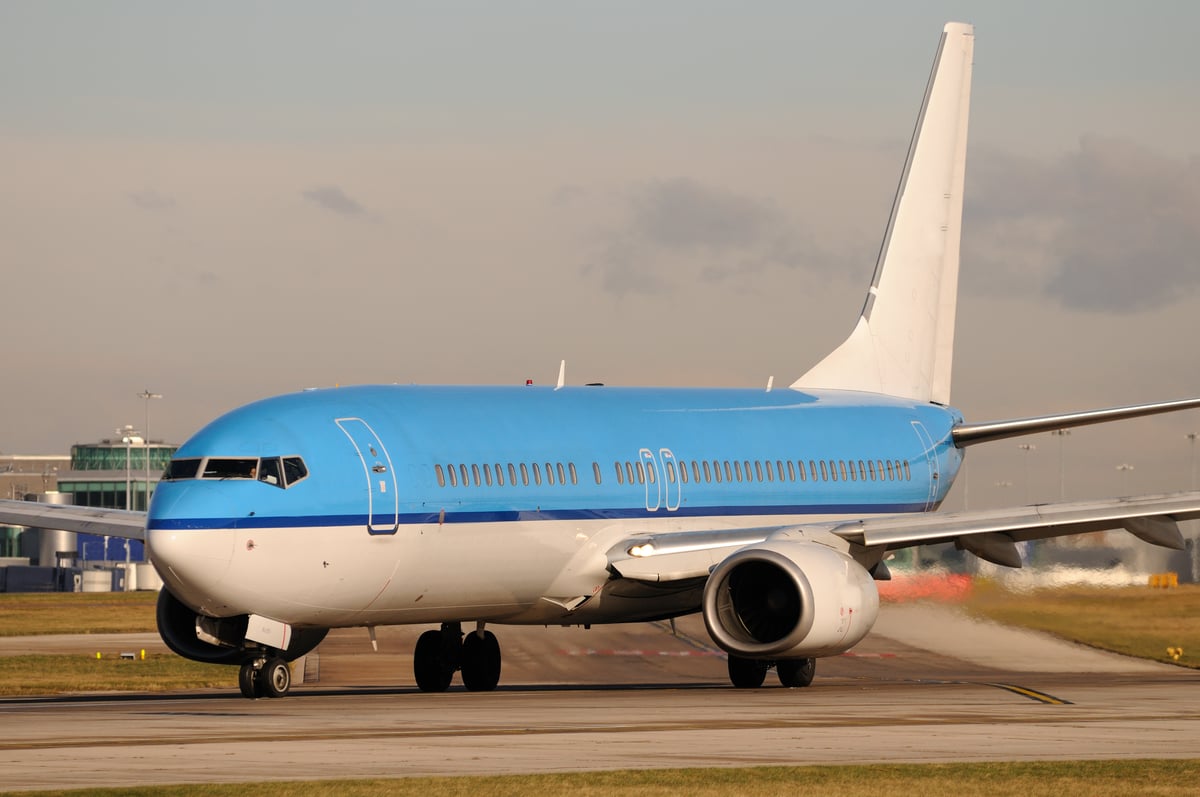
Boeing (ticker BA) is the name the analyst would avoid. On the surface, the comeback is real: deliveries have hit their highest level in years, and management is guiding to positive free cash flow for the first time since the 737 MAX crisis. Bulls have latched onto this narrative. However, the analyst argues the risk-reward is poor. Boeing carries roughly $54 billion(約8.6兆円) in debt against about $29 billion(約4.6兆円) in cash as of Q1, a precarious balance sheet for a company still fixing itself. Its 777X program has been delayed yet again into 2027, saddled with a nearly $5 billion(約8000億円) charge and a fresh engine durability problem—the latest chapter in a long history of certification setbacks and broken timelines. The analyst's conclusion: when a company repeatedly overpromises and underdelivers while drowning in debt, the same $10,000 buys cleaner, better-capitalized growth elsewhere. The turnaround may eventually work, but the analyst prefers to let the market dream on Boeing while splitting the $10,000 toward Eaton and Powell, which are already delivering.
The industrial sector is experiencing a sustained tailwind from the artificial intelligence infrastructure boom, which requires enormous electricity generation and data center capacity. This creates a bifurcation in opportunity: companies with strong balance sheets and contracted, visible demand (like Eaton and Powell) are capturing this wave with low execution risk, while companies dependent on a turnaround narrative while carrying heavy debt face structural headwinds. Eaton benefits from multiple parallel trends—not just data centers but also grid modernization, factory reshoring, and building/aircraft electrification—which reduces single-point-of-failure risk. Powell, as a smaller player, experiences more leverage to each project win but at the cost of higher volatility. Boeing presents the opposite profile: despite recent delivery improvements and a path to positive free cash flow, its debt load (roughly $54 billion(約8.6兆円)), repeated program delays (777X pushed into 2027 with a nearly $5 billion(約8000億円) charge), and history of broken certification timelines suggest the turnaround remains fragile. The analyst's framework is straightforward: favor industrials already executing and generating cash against those betting on future delivery.
AI-summarized, only the topics you pick — one digest a day via Email, Slack, or Discord.
Free · takes 30 seconds · unsubscribe anytime
No discussion yet for this article
Get curated AI news from 200+ sources delivered daily to your inbox. Free to use.
Get Started FreeFree · takes 30 seconds · unsubscribe anytime
1 minute a day. The AI essentials.
200+ sources · Email / LINE / Slack
