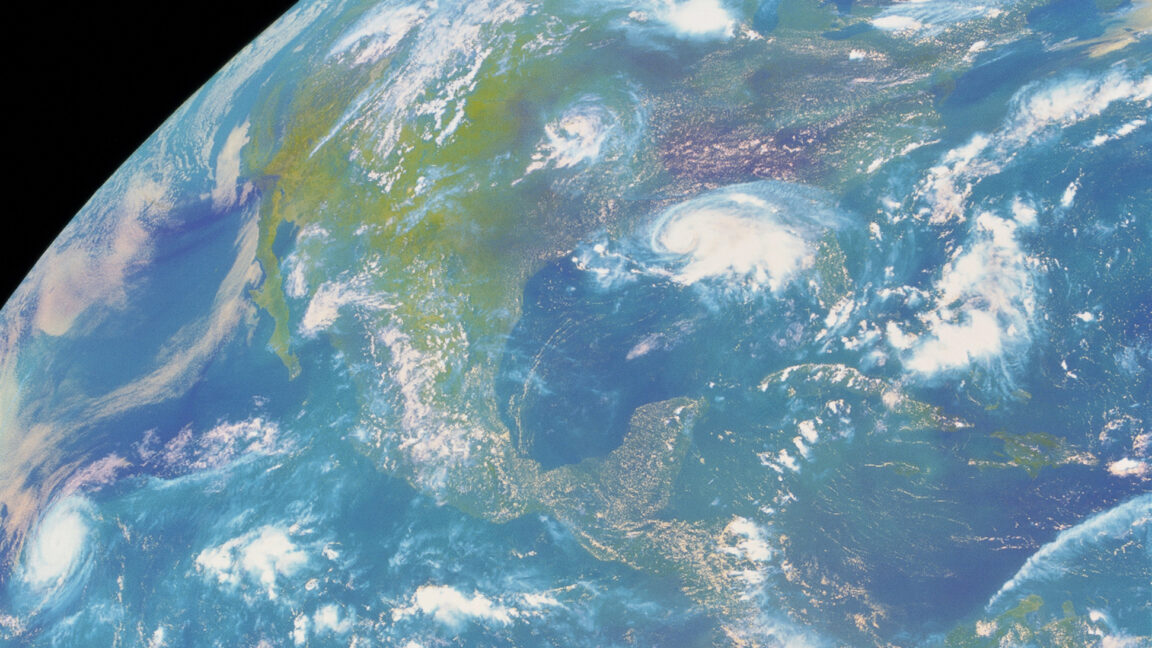
What happened
Google's WeatherNext 3 model, now used across Search, Gemini, and Maps, adds physical inputs like land/ocean status and elevation to improve predictions. It shows a roughly 5 percent accuracy gain over its prior version, equating to six more lead-time hours, and up to 30 percent better surface temperature results.
Why it matters
Unlike previous black-box AI models, this one uses a bit of physical data to improve forecasts. It now beats the ECMWF AI model on most metrics, though it lags in the first six hours for some variables before pulling ahead over the 15-day forecast.
What to watch
The model's oddities—hexagonal blobs in precipitation maps and inconsistent global average temperatures—remain unexplained. How Google addresses these quirks may determine if the model's improvements hold up across all conditions.
WHO IT HITSMeteorologists and weather-dependent businesses using Google services (Search, Gemini, Maps) get more accurate forecasts, especially for surface temperature. Scientists studying AI weather models will watch whether the unexplained grid artifacts and temperature inconsistencies undermine long-term reliability.
Ask the AI about this article →
Summaries like this, in your inbox every morning.
Traditional weather models simulate physical processes, while AI models like WeatherNext 3 learn patterns from historical data. The new model bridges these by feeding in physical data about the surface—land versus ocean, and elevation—during training on past station observations. This hybrid approach yields measurable gains.
The paper claims improvement over both its predecessor and the European Centre for Medium-Range Weather Forecasts model. However, the white paper itself notes unexplained quirks, such as worse performance in the first six hours of a forecast for some variables, and visual artifacts like hexagonal blobs in precipitation maps. The global average temperature inconsistency in multi-run surface forecasts also raises questions about the ensemble method's calibration.
The stakes for Google are high, as this model is now the default forecast source across key products. The team calls it a major step forward by using information-dense observation data. Whether these oddities affect real-world reliability in a meaningful way is uncertain, but they are acknowledged areas where the model does not yet behave as expected—potential targets for refinement in future iterations.
For example, today's edition would include:
AI-summarized, only the topics you pick — one digest a day via Email, Slack, or Discord.
Free · 30 seconds with Google · unsubscribe anytimeWhat is AIToday? →
Ask AI anything about this article. Q&As are published on this page for other readers too.
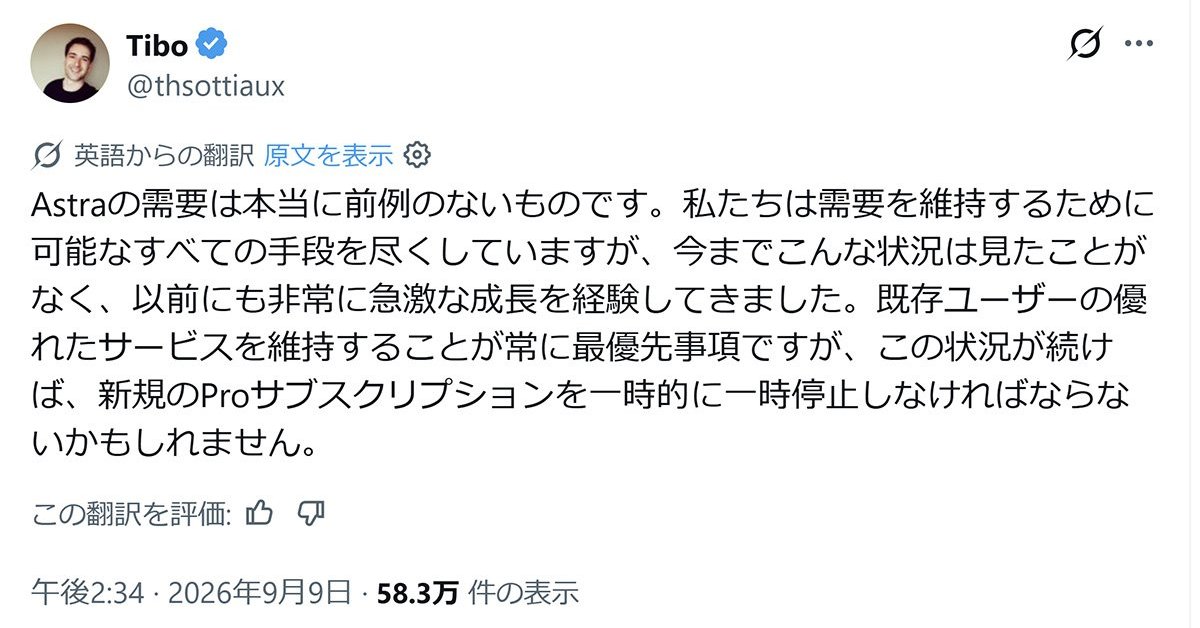
OpenAI product lead Tibo said on September 9 that surging demand for GPT-6 Astra may force a temporary halt on…
Stratechery says OpenAI solved one of the most famous math problems, calling it extremely impressive but of li…

Conveo, a two-year-old Belgian startup, raised $50 million in a Series A from DST Global, Balderton Capital, V…

Jensen Huang declared AGI has arrived with OpenAI's Astra, trained on 100,000 Grace Blackwell chips

Anthropic released Claude Fable 5.1 and Mythos 5.1 with lower pricing and stronger agentic performance, claimi…
Jacob Kochson, 27, announced on X on September 8 that he left Anthropic, where he worked on pretraining for th…