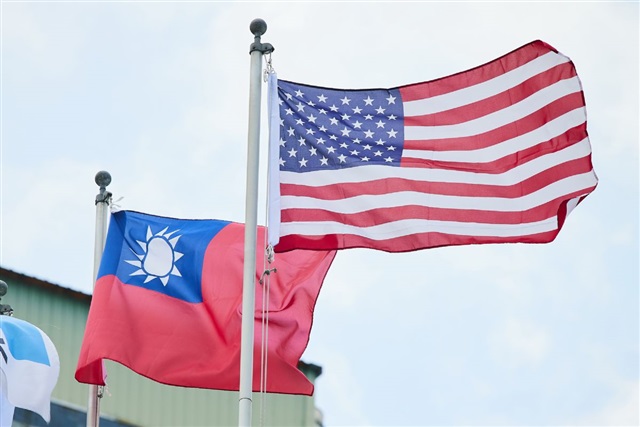
Taiwan's largest semiconductor packaging and testing firms are expanding production capacity in the United States and Southeast Asia during 2026 to serve surging global demand from the AI industry. These moves signal a shift away from concentrating capacity in Taiwan and China, aiming to secure supply chains and access markets in strategically important regions.
Summaries like this, in your inbox every morning.
Sign up free →What happened
Taiwan's leading semiconductor packaging and testing companies — ASE, SPIL, KYEC, Greatek, and Tong Hsing — are all accelerating capacity expansion outside Taiwan and China in 2026 to meet global AI-driven demand for chip packaging and testing services.
Why it matters
The AI boom is driving up worldwide demand for semiconductor packaging and testing, creating pressure for these foundational supply-chain players to build production capacity closer to major markets outside China, potentially reshaping regional semiconductor manufacturing geography.
What to watch
The article does not specify completion dates, investment amounts, or facility locations for these expansions, so concrete details on scale and timeline remain unclear.
Taiwan's five largest semiconductor packaging and testing (OSAT) service providers are all planning to expand production capacity outside Taiwan and China during 2026. The companies involved are ASE, SPIL, KYEC, Greatek, and Tong Hsing.
The expansion is being driven by the global artificial intelligence boom, which is creating unprecedented demand for semiconductor packaging and testing services. These services — the assembly, packaging, and testing of chips after they leave the fab — are critical bottleneck steps in semiconductor supply chains, especially as AI workloads require large volumes of chips to be assembled and validated for deployment in data centers and cloud infrastructure.
The article does not specify the scale of investment, precise facility locations, or completion timelines for these capacity additions. However, the coordinated move by all five major Taiwanese OSAT players to expand in the US and Southeast Asia signals a broader industry shift away from concentration in Taiwan and China, likely reflecting customer preference for supply-chain resilience and reduced geopolitical exposure.
The article identifies a structural shift in semiconductor manufacturing driven by sustained AI demand. Taiwan's OSAT (Outsourced Semiconductor Assembly and Test) sector has historically concentrated production in the home market and mainland China for cost and scale advantages. The announcement that five major players — ASE, SPIL, KYEC, Greatek, and Tong Hsing — are all pursuing overseas expansion in 2026 suggests coordinated industry recognition that geographic diversification has become competitive necessity, not optional.
The body frames this expansion in terms of AI-driven capacity demand: as large language models and AI inference workloads scale, the volume of chips requiring packaging and testing grows sharply, and customers may prefer or require production outside China due to geopolitical risk and supply-chain resilience. The focus on US and Southeast Asia specifically points to proximity to major cloud providers, fabless designers, and final markets in those regions.
AI-summarized, only the topics you pick — one digest a day via Email, Slack, or Discord.
Free · takes 30 seconds · unsubscribe anytime
No discussion yet for this article
Get curated AI news from 200+ sources delivered daily to your inbox. Free to use.
Get Started FreeFree · takes 30 seconds · unsubscribe anytime
1 minute a day. The AI essentials.
200+ sources · Email / LINE / Slack
