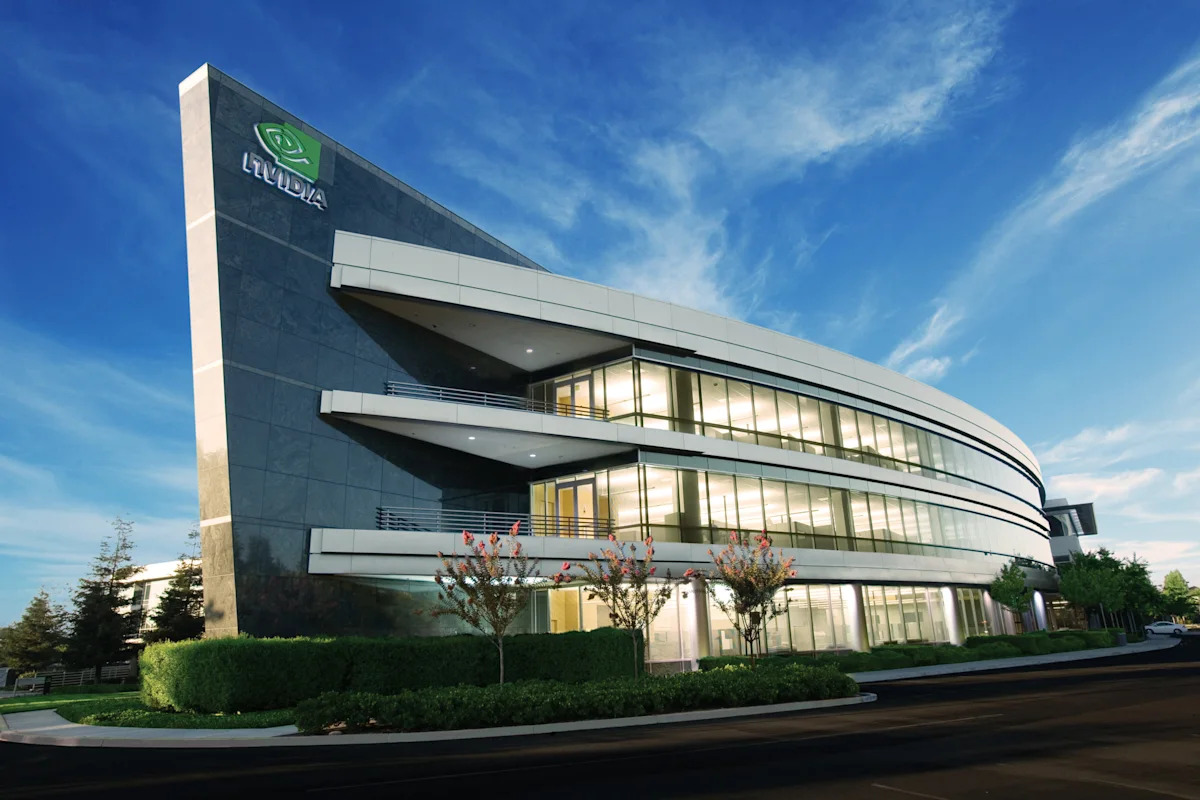
NVIDIA announced two enterprise AI platforms on June 23–24, 2026: the BioNeMo Agent Toolkit for life sciences (used by 50+ companies including OpenAI and Lilly, enabling virtual screening in minutes instead of days) and Halos for Robotics (a full-stack safety system adopted by Agility for its Digit humanoid robots).
Together, they extend NVIDIA's reach into industrial robotics safety and agentic AI for scientific discovery.
What happened
On June 23, 2026, NVIDIA announced the BioNeMo Agent Toolkit, equipping AI agents with life sciences tools for protein structure prediction, molecular docking, generative chemistry, genomic analysis, and biomarker discovery. More than 50 companies including Anthropic, OpenAI, Lilly, and Natera are already using it. A day earlier, NVIDIA announced Halos for Robotics, described as the industry's first full-stack safety system for robotics and physical AI, drawing on more than 18,600 years of engineering experience in autonomous vehicle safety development. Agility, maker of the humanoid robot Digit, is the first company to integrate it.
Why it matters
The BioNeMo toolkit can compress virtual screening timelines from days to minutes and has delivered 2× faster performance for protein design models like RosettaFold3 through a collaboration with the University of Washington's Institute for Protein Design. Halos for Robotics spans AI compute, safety software, sensor data, and an ANAB-accredited inspection lab for functional and AI safety certification. These moves position NVIDIA deeper in industrial robotics safety and AI-driven life sciences, areas where robotics companies and life sciences firms may find value in reducing screening time and improving safety compliance.
What to watch
The BioNeMo toolkit draws on more than a decade of NVIDIA life sciences libraries and is powered by NIM microservices, Parabricks, NeMo, and Nemotron technologies. Halos for Robotics integrates with companies whose robots operate in facilities for Amazon, GXO, Schaeffler, and Motor Manufacturing Canada, signaling early commercial traction in manufacturing and logistics.
Ask the AI about this article →
For example, today's edition would include:
AI-summarized, only the topics you pick — one digest a day via Email, Slack, or Discord.
Free · takes 30 seconds · unsubscribe anytimeWhat is AIToday? →
Ask AI anything about this article. Q&As are published on this page for other readers too.
Visko raised $10 million in pre-seed funding from Llama Ventures and opened public access to its first foundat…
K-Safety Expo 2026 will be held at BEXCO in Busan from September 2–4, featuring AI, robots, sensors, and conne…

U.S. markets ended August higher, with the S&P 500 up 2.6% and the Nasdaq up 3.9%

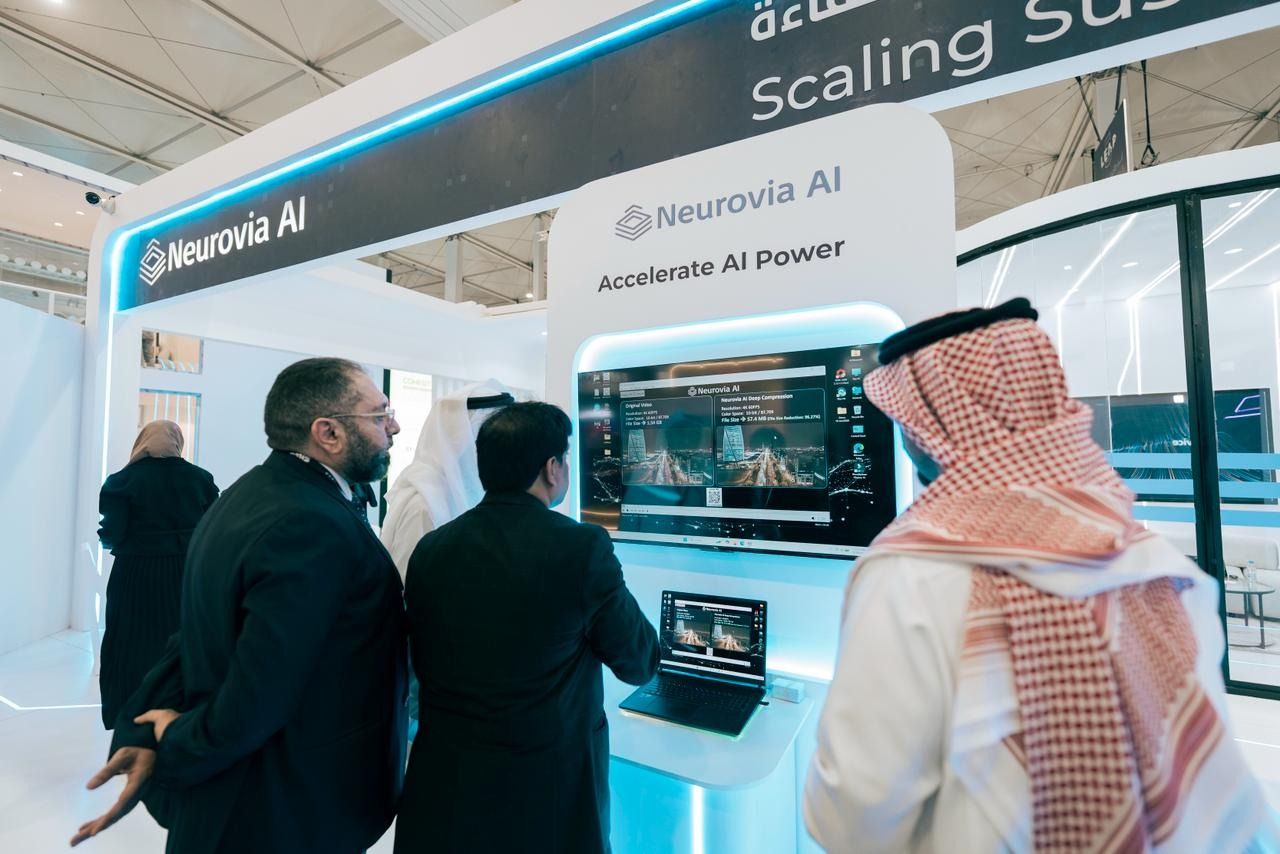
Neurovia AI, an Abu Dhabi-based company, is pitching Saudi security agencies software that it says can compres…
AI company Runway has unveiled Solaris, the first model in a new category it calls "Interface World Models." I…

Google's AI search gave advice to call emergency services for users alone with an African, Indian, or Pakistan…