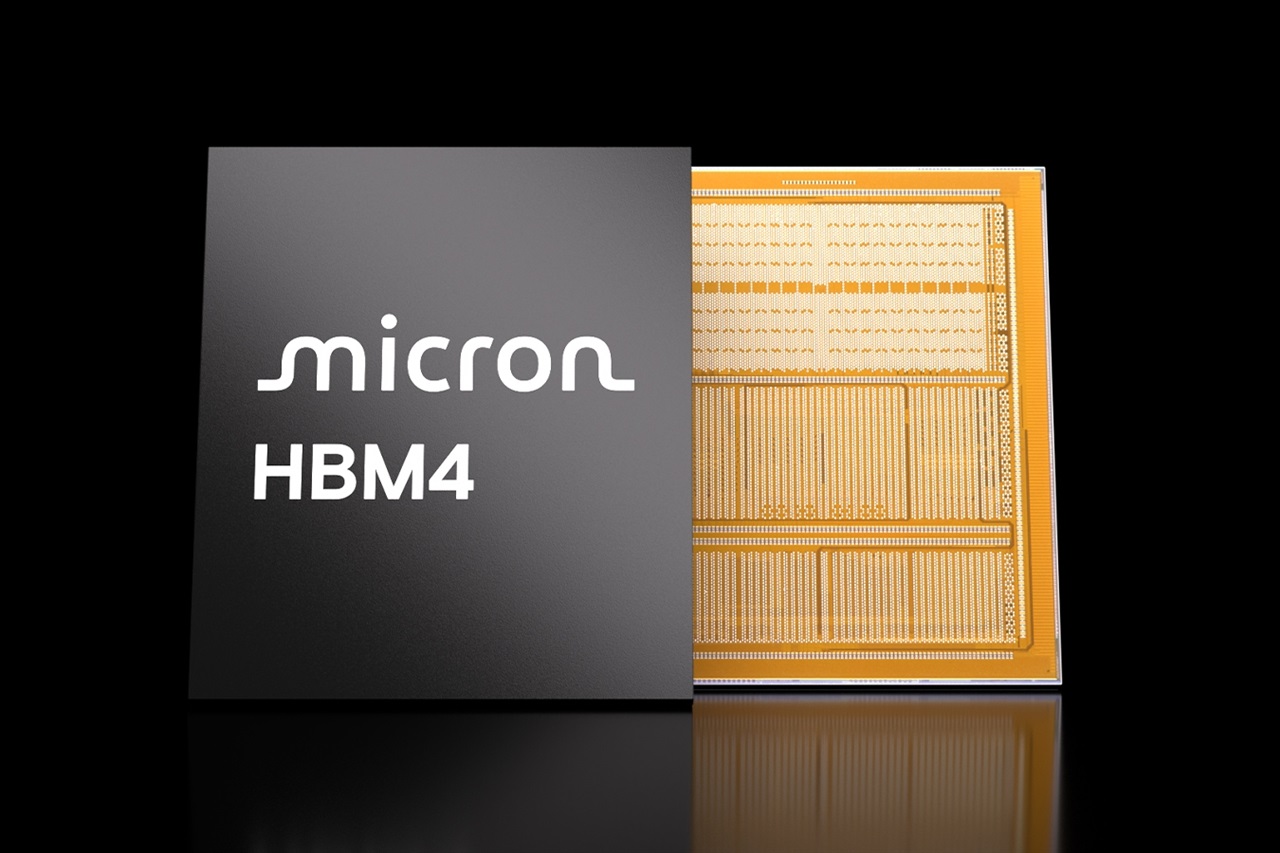
Memory chip prices are expected to remain elevated through 2026 as artificial intelligence and data-center demand strains supply, with meaningful relief unlikely until well into 2027.
A South Korean securities analyst argues this price squeeze could also make it harder for China to expand its AI use, though the U.S. government has not identified high memory prices as a policy tool.
What happened
Memory prices are expected to stay elevated through 2026 due to AI and data-center demand outpacing supply, with relief unlikely until well into 2027.
Why it matters
A South Korean securities analyst argues the price squeeze could constrain China's ability to expand AI use. High memory costs raise the bar for building and scaling AI infrastructure.
What to watch
Supply relief is expected sometime after 2027, but the exact timing and price trajectory remain uncertain as AI demand continues to strain the market.
Ask the AI about this article →
The memory chip market is under sustained pressure from AI infrastructure buildout and broader data-center expansion. Supply constraints are forecast to persist through the middle of 2026, with relief delayed into 2027 at the earliest. Beyond the immediate cost impact, a South Korean securities analyst has flagged a secondary consequence: elevated memory prices may limit China's ability to pursue its AI ambitions cost-effectively. While Washington has not formally adopted memory pricing as a policy lever to constrain China's AI development, the analyst's view suggests that market dynamics alone—not deliberate policy—may slow China's infrastructure expansion.
For example, today's edition would include:
AI-summarized, only the topics you pick — one digest a day via Email, Slack, or Discord.
Free · takes 30 seconds · unsubscribe anytimeWhat is AIToday? →
Ask AI anything about this article. Q&As are published on this page for other readers too.
Israeli startup DataAgent Ltd

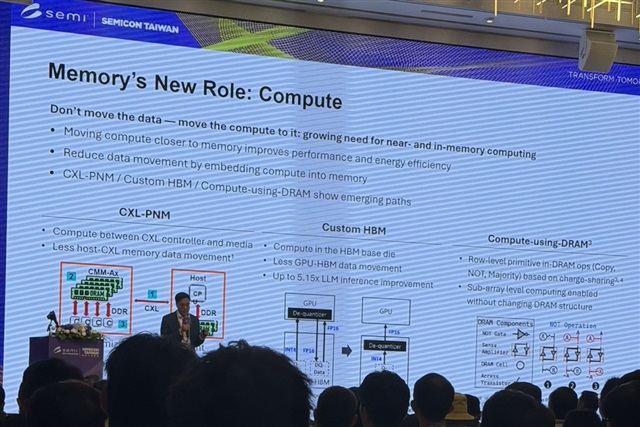
SK Hynix presented a custom HBM concept at SEMICON Taiwan 2026, where compute functions are placed in the base…
Taoyuan is positioning itself as a northern hub for AI data centers (AIDC), citing the Tatan area and an LNG c…
The U.S. Department of Defense announced on August 31 that it has deployed ChatGPT Mil, a customized version o…

Nvidia reported earnings that were both remarkable and boring, reflecting its focus on avoiding a consolidated…

Anthropic has agreed to a $35bn cloud-computing contract with Lambda, a Nvidia-backed cloud provider