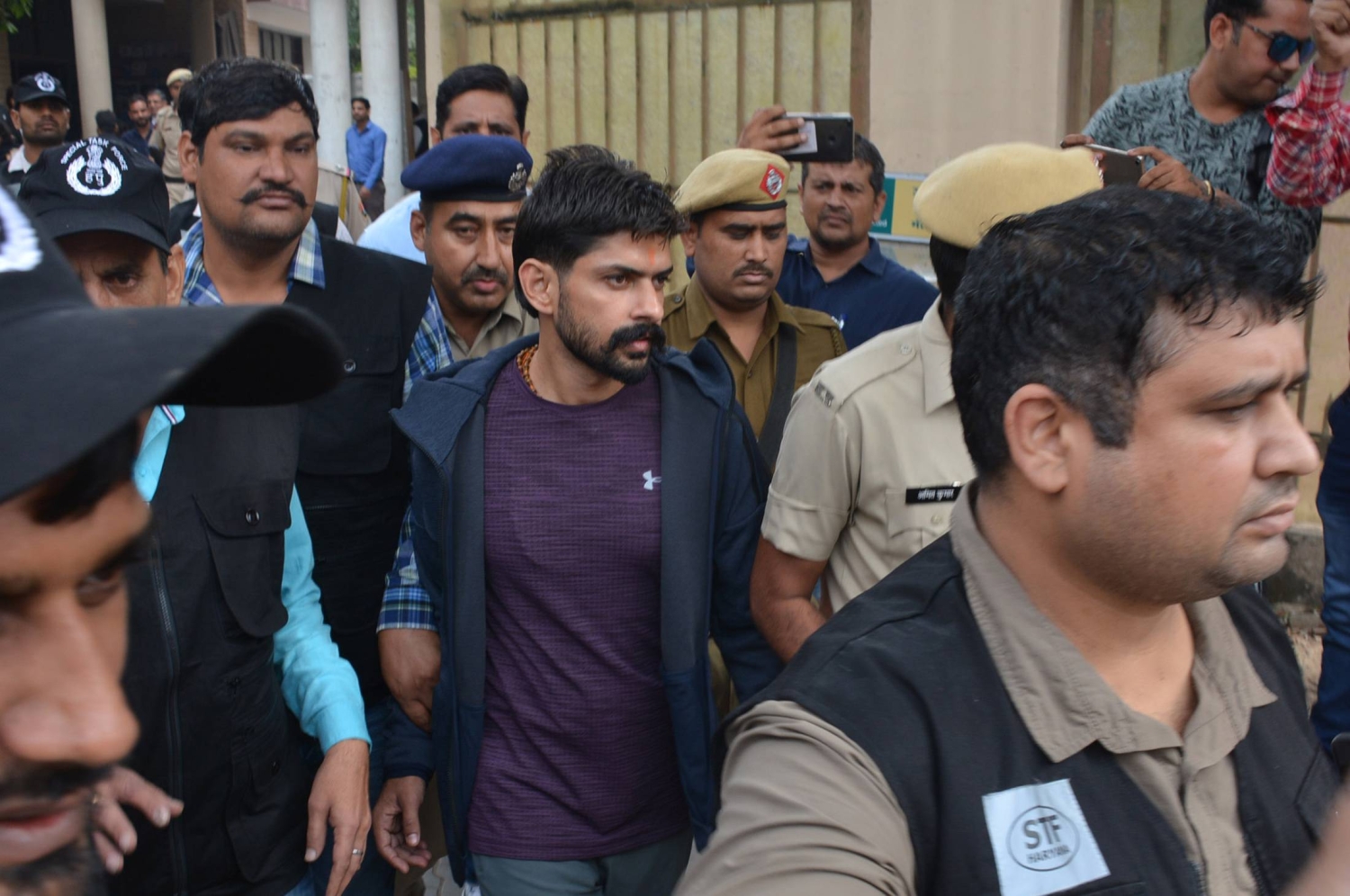
U.S. prosecutors have charged alleged Indian gang members, including imprisoned leader Lawrence Bishnoi, with directing the 2023 assassination of Sikh activist Hardeep Singh Nijjar in Vancouver. The charges stem from a multiyear investigation into India-linked organized crime and result in three indictments against 37 people total, revealing how transnational criminal networks operate across borders even with leaders incarcerated in India.
Summaries like this, in your inbox every morning.
Sign up free →What happened
U.S. prosecutors charged alleged Indian gang members with directing the 2023 assassination of Hardeep Singh Nijjar, a British Columbia-based Sikh activist. The charges are part of a multiyear investigation by U.S. and international law enforcement that resulted in three indictments against 37 people. Lawrence Bishnoi, accused of leading the operation, allegedly ran a multimillion-dollar drug trafficking and extortion business from a prison cell in India.
Why it matters
Nijjar's killing sparked a diplomatic crisis between India and Canada. The investigation reveals how India-linked organized crime groups operate across borders, with alleged leaders directing serious crimes from within the Indian prison system—a finding that underscores gaps in law enforcement coordination and jurisdiction.
What to watch
The case involves three separate indictments and charges against a total of 37 people, suggesting a broader criminal network under investigation by both U.S. and Canadian authorities.
The Nijjar assassination in 2023 created immediate friction between India and Canada, but this week's indictments reveal the event was rooted in a broader investigation into transnational organized crime. U.S. and international law enforcement spent years mapping India-linked criminal networks, ultimately identifying 37 accused individuals across three separate indictments. The case exposes a particular vulnerability: Lawrence Bishnoi's ability to direct a multimillion-dollar criminal enterprise—drugs, extortion, and murder—entirely from within an Indian prison cell. This suggests either inadequate prison oversight, sophisticated communication channels, or both, and raises questions about how effectively law enforcement can disrupt such networks when key actors remain geographically and jurisdictionally insulated. The investigation's scale and international coordination indicate that authorities are treating this not as an isolated killing but as evidence of systematic criminal organization spanning North America and India.
No discussion yet for this article
Get curated AI news from 200+ sources delivered daily to your inbox. Free to use.
Get Started FreeFree · takes 30 seconds · unsubscribe anytime
1 minute a day. The AI essentials.
200+ sources · Email / LINE / Slack
