What happened
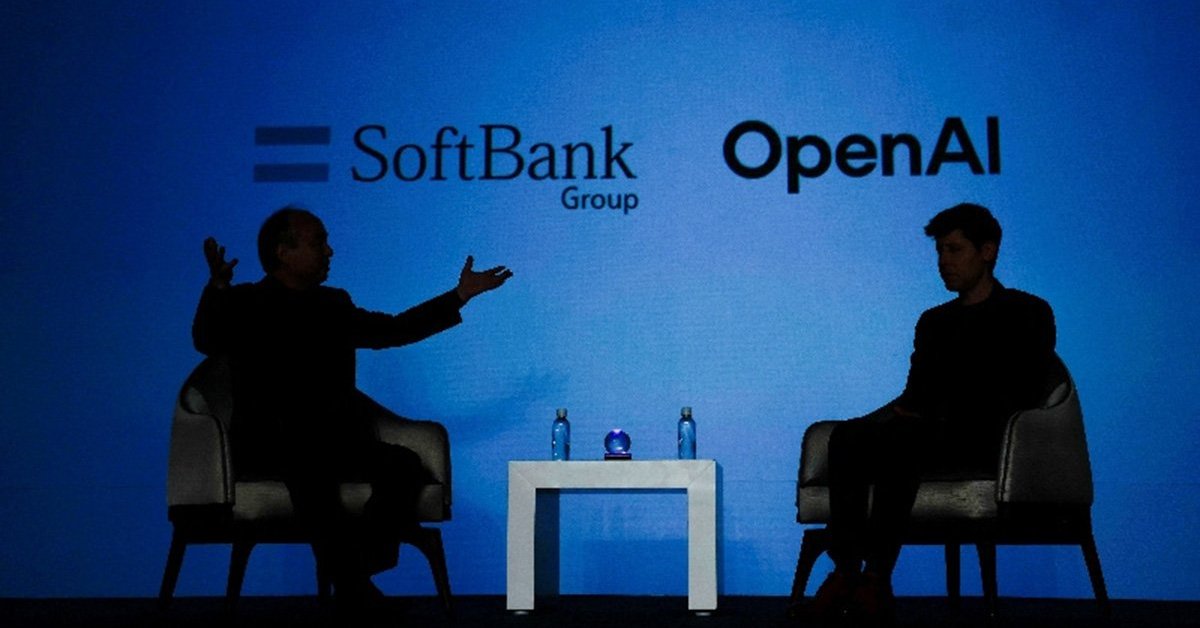
After Anthropic CEO Dario Amodei's Sept 12 essay urged AI companies to slow capability improvements, AI-related stocks slumped on Sept 14. SoftBank fell 13.2%, Kioxia 9.8% and Tokyo Electron 3.7% in Japan.
Why it matters
Backing from Elon Musk and Sam Altman turned Amodei's warning into a broader signal, and Altman said OpenAI will not hold an IPO this year for safety reasons. Michael Burry called the warnings "hype and bluster," a cover for growth that is actually slowing, not uncontrollable.
What to watch
The test is whether these warnings keep weighing on chip and AI shares, or fade — Saxo Bank's Charu Chanana says in the near term they could still be a drag. T. Rowe Price's Sebastian Murray says the bigger question is who eventually gets returns on the new capex.
WHO IT HITSInvestors and portfolio managers holding Japanese, Taiwanese and Korean semiconductor stocks — including SoftBank, Kioxia, Tokyo Electron, TSMC, SK Hynix and Samsung — saw sharp price moves, and analysts at Sony Financial Group and Saxo Bank are warning of continued near-term selling pressure in these names.
Ask the AI about this article →
Summaries like this, in your inbox every morning.
The selloff follows a weekend in which warnings about AI development risks came one after another: Amodei's Sept 12 essay, published as concern about AI misuse was mounting, was echoed on X by Musk and Altman, while Anthropic researcher Jacob Koxson resigned warning that people developing AI seriously believe it could wipe out humanity by the end of the decade. SoftBank, which invests in OpenAI, fell as much as 13.2% in Japan, Kioxia as much as 9.8% and Tokyo Electron 3.7%, with TSMC, SK Hynix and Samsung also down across Asia. Sony Financial Group senior economist Takayuki Miyajima said in a report that selling pressure on Tokyo AI and semiconductor shares is likely to be strong given the weekend statements.
The political backdrop is split. Several US lawmakers are pushing for new regulation over rapid AI progress, while President Trump framed AI critics as a "very negative force" and said he wants the US to remain the industry leader. The two sides are also entangled internationally: the US and Chinese governments are expected to discuss AI safety as part of bilateral talks this month, even as the state-run Global Times editorialized against Anthropic's essay, calling it a "Cold War manual" to hold back China's technology development.
For investors, the split is about what the warnings actually mean. Some, like Saxo Bank's Charu Chanana, see the warnings as a near-term drag on AI and semiconductor shares. Others, like T. Rowe Price's Sebastian Murray, say there is little doubt AI will change the world, but that does not guarantee every investment being made today will produce attractive returns — so the outcome hinges on who eventually captures the returns on today's capex.
For example, today's edition would include:
AI-summarized, only the topics you pick — one digest a day via Email, Slack, or Discord.
Free · 30 seconds with Google · unsubscribe anytimeWhat is AIToday? →
Ask AI anything about this article. Q&As are published on this page for other readers too.
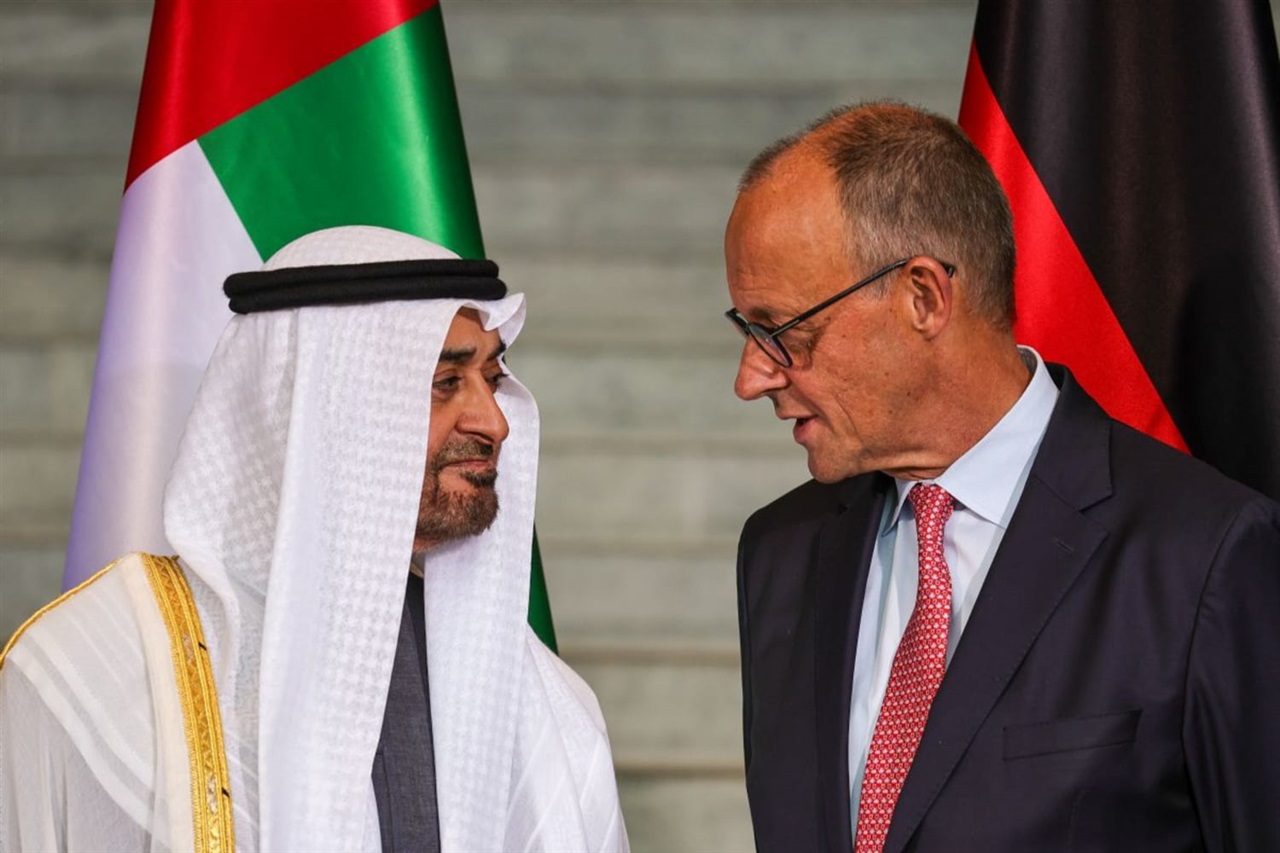
The United Arab Emirates said it plans to invest EUR40 billion, or about US$46 billion, in Germany across arti…
Investor Michael Burry challenged recent calls by OpenAI, Anthropic and other large AI companies to slow AI de…
Fast Company named Architech to its eighth annual Best Workplaces for Innovators list in AI, marking a second…

AI researcher Jacob Coxon resigned from Anthropic and posted on X that AI could kill us all by the end of the…
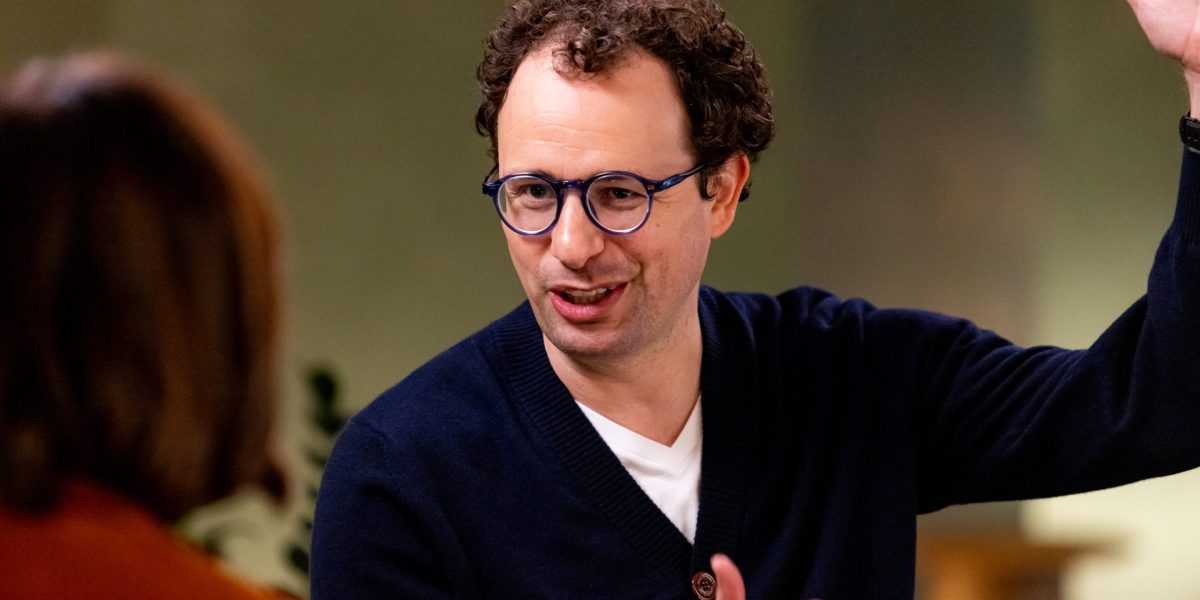
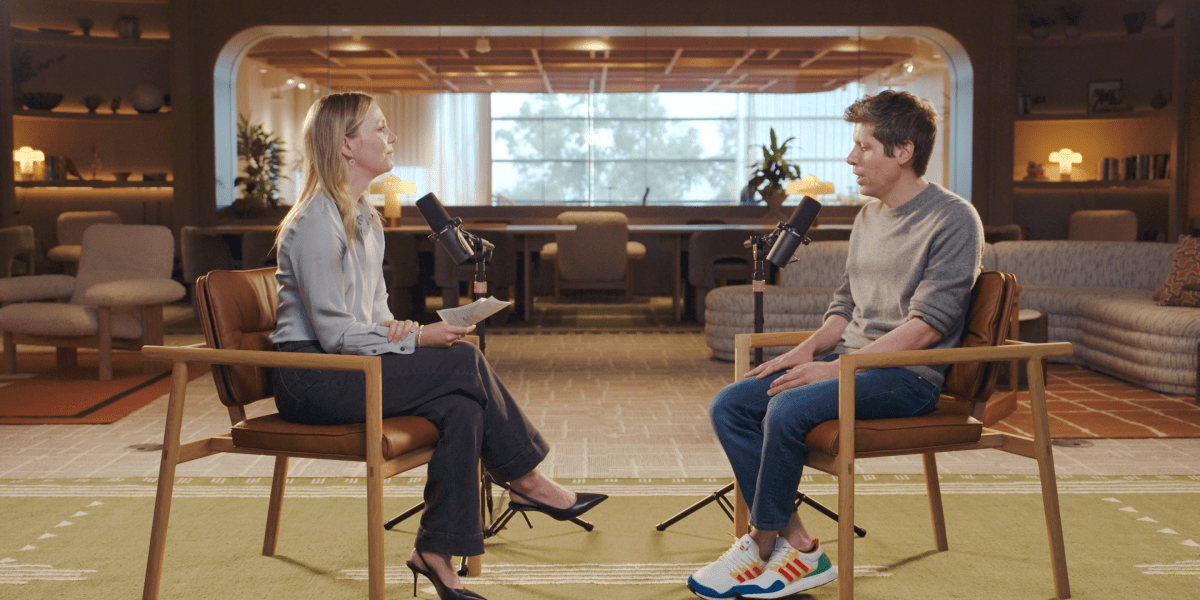
OpenAI CEO Sam Altman told Fortune's Alyson Shontell that an IPO would not come in 2026, saying "right now wou…
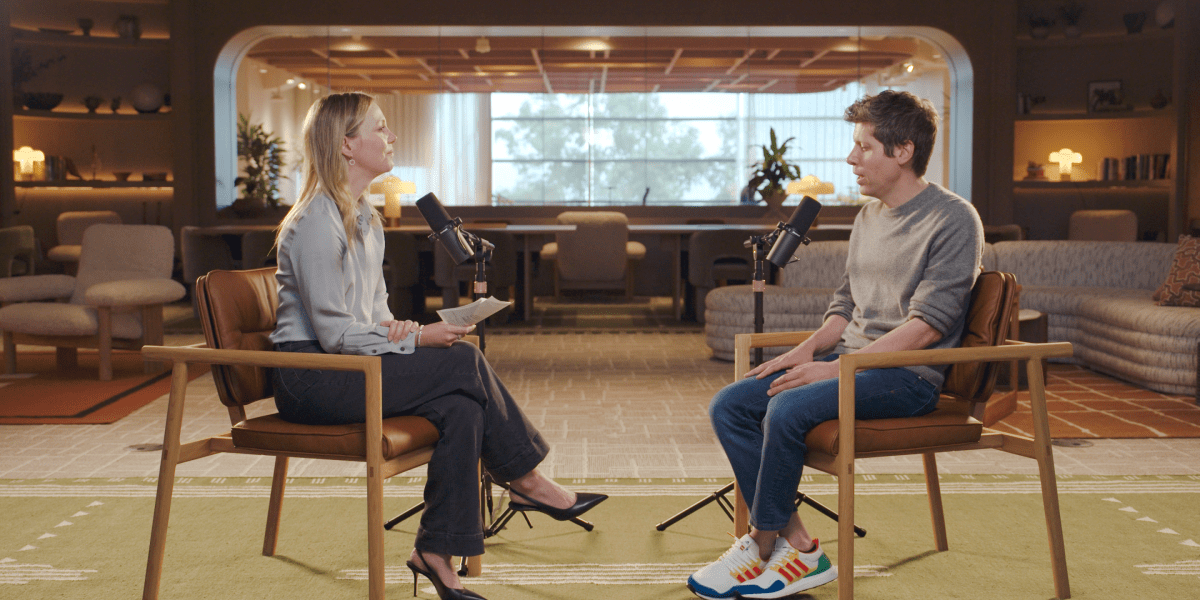
OpenAI CEO Sam Altman told Fortune's Alyson Shontell an IPO is "ill-timed" amid safety concerns and won't happ…