What happened
Micron was approved as an HBM4 supplier for Nvidia's Vera Rubin AI platform, with shipments expected to begin in the second half of 2026. The company also appointed Dr. Alexis Black Björlin, an AI and semiconductor veteran, to its board and Governance and Sustainability Committee.
Why it matters
The Nvidia contract ties Micron directly to a high-profile AI accelerator and underpins management's Q3 2026 guidance for US$33.5 billion(約5.4兆円) in revenue and very high margins. However, the win also increases Micron's dependence on AI spending and the health of the overall DRAM cycle, making the company vulnerable if capacity additions from rivals eventually turn today's memory shortage into oversupply.
What to watch
The critical risk is how quickly global DRAM capacity is ramping; if rivals add capacity too fast, today's structural memory tightness could flip into a glut. Some lower-ranked analysts already assume only US$92.3 billion(約15兆円) in revenue by 2029, suggesting room for divergent views on whether Micron can sustain pricing power.
Ask the AI about this article →
For example, today's edition would include:
AI-summarized, only the topics you pick — one digest a day via Email, Slack, or Discord.
Free · takes 30 seconds · unsubscribe anytimeWhat is AIToday? →
Ask AI anything about this article. Q&As are published on this page for other readers too.
Phonely Ltd. launched Alma, a large language AI model built for voice agents and trained on over 10 million re…

Aranya Inc., a startup founded last year, launched today with $11 million in funding

CBTS Technology Solutions LLC launched Forge Agents, a platform that turns a plain-language job description in…

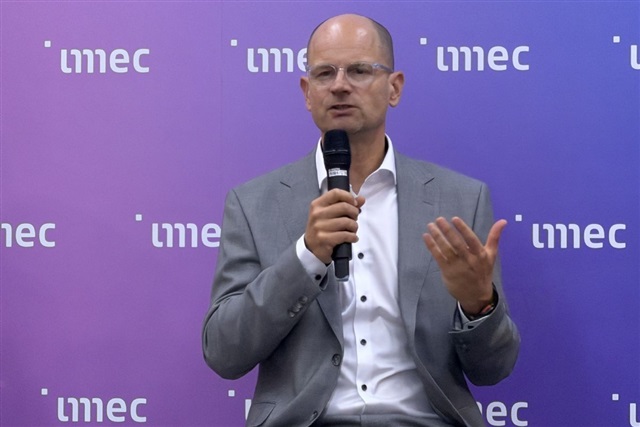
Imec CEO Patrick Vandenameele said at SEMICON Taiwan 2026 that the Belgian research center is broadening its c…
Alphabet's AI Overviews now reach over 2.5 billion monthly users through Google Search, and its ad business ge…

Sarah O’Connor's book 'We Are Not Machines' explores how mechanization and AI have transformed the workforce…