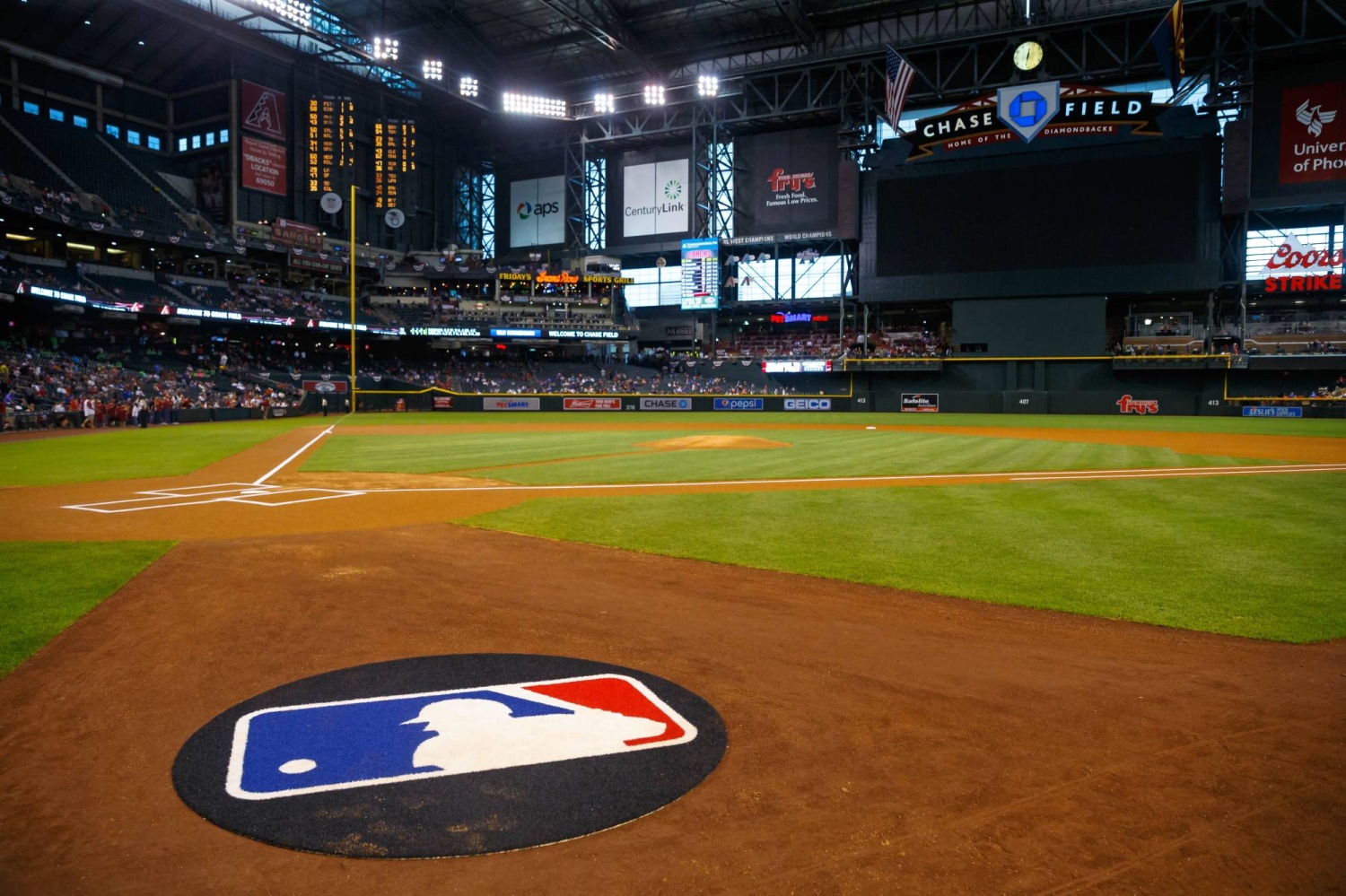
Major League Baseball has banned AI assistants from dugouts following reports that teams, including the New York Mets, have spent hundreds of thousands of dollars on custom systems to guide pitch selection and in-game strategy. The article argues the ban is an overreaction, since baseball has long rewarded teams for using information and technology better than rivals, and AI is simply the next iteration of that competitive evolution.
Summaries like this, in your inbox every morning.
Sign up free →What happened
Major League Baseball banned AI assistants from dugouts as the season resumed after the All-Star break, following reports that the New York Mets spent hundreds of thousands of dollars on a custom AI system to guide pitch selection and in-game decisions. According to The Athletic, as many as one-third of MLB clubs are experimenting with in-game AI tools.
Why it matters
Baseball has a long history of rewarding teams that leverage information better than their opponents—from statistical analysis to video review. AI assistants represent the latest step in that evolution rather than a fundamental threat to the sport, making the league's blanket ban appear premature and disconnected from how competitive advantage has traditionally worked in the game.
What to watch
The Mets' investment in a custom AI assistant did not translate into on-field success, producing another losing record despite the technological edge—raising questions about whether AI tools actually deliver the competitive advantage teams expect.
Major League Baseball imposed a ban on AI assistants in dugouts as the 2024 season resumed following the All-Star break. The prohibition came in response to concrete evidence that multiple teams had begun using artificial intelligence systems to influence in-game strategy and decision-making. The New York Mets became the most visible case, having spent hundreds of thousands of dollars on a custom AI assistant designed to guide pitch selection and other tactical decisions. Despite the significant investment, the Mets achieved another losing record, failing to translate technological investment into on-field success.
According to reporting from The Athletic, the Mets are not alone in pursuing an AI edge. As many as one-third of MLB clubs are experimenting with in-game AI tools, indicating that the technology had already proliferated across the league before the ban took effect. This broad adoption across multiple franchises suggests that teams viewed AI-assisted decision-making as a legitimate frontier in competitive advantage.
The article frames MLB's ban as a regulatory overreaction disconnected from baseball's actual competitive tradition. The sport has long rewarded teams that deploy information and technology more effectively than their rivals—a principle that has guided competitive strategy for decades. From early statistical analysis to modern video review systems, baseball has repeatedly absorbed innovations that gave certain teams advantages over others. Viewed in this historical context, the article argues, AI assistants are simply the latest iteration of that same competitive evolution, not a categorical departure from it. The author contends that MLB's blanket prohibition treats the technology as a threat to the game's existence when it should instead be evaluated as another tool in the ongoing arms race for competitive information.
Major League Baseball's decision to ban AI assistants from dugouts reflects a reflexive caution toward new technology rather than a response grounded in competitive fairness. The league's move came after the All-Star break, prompted by revelations that multiple teams—particularly the New York Mets—had already begun deploying custom AI systems to shape in-game decisions around pitch selection and strategy. What the article suggests, however, is that this anxiety misses the forest for the trees: baseball's competitive history has always been defined by teams that innovate their use of information and technology, whether that meant early adoption of statistical analysis or video review systems. AI is not a categorical break from that tradition but a continuation of it.
The case of the Mets is instructive here—not because it proves AI doesn't work, but because it reveals that investment in a new tool does not automatically confer an edge. The Mets' hundreds of thousands of dollars in spending resulted in a losing season, undermining the notion that AI assistance guarantees competitive advantage. This suggests that rather than treating AI as an existential threat to the game's integrity, the league might benefit from allowing the market and on-field results to discipline the technology's adoption naturally. Teams that deploy AI poorly will lose; teams that use it well may gain an edge. That dynamic mirrors how baseball has historically absorbed innovation.
AI-summarized, only the topics you pick — one digest a day via Email, Slack, or Discord.
Free · takes 30 seconds · unsubscribe anytime
No discussion yet for this article
Get curated AI news from 200+ sources delivered daily to your inbox. Free to use.
Get Started FreeFree · takes 30 seconds · unsubscribe anytime
