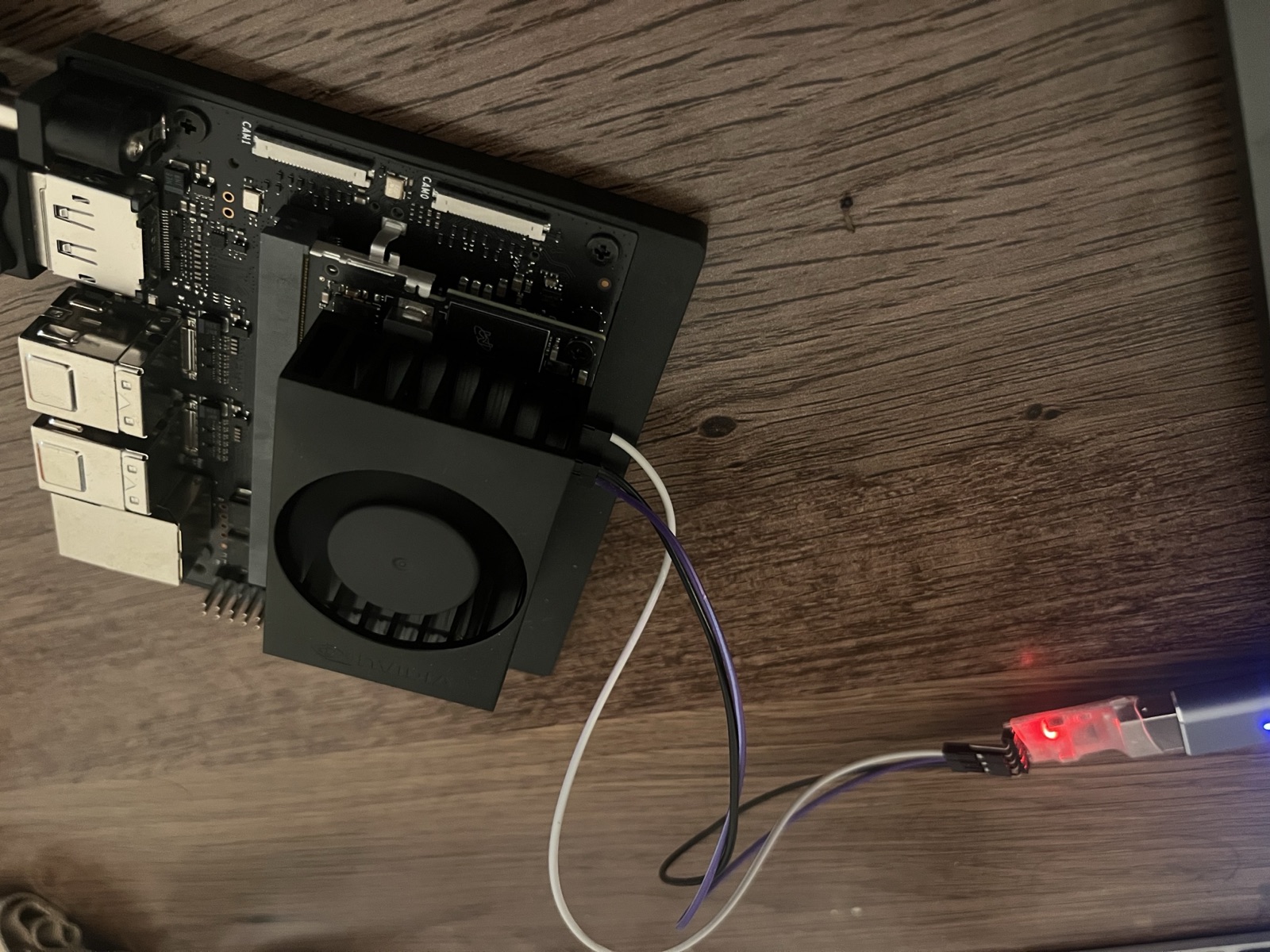
A developer demonstrated how to run a text-to-speech AI service on a consumer-grade NVIDIA Jetson by using durable streams—a persistence pattern that lets multiple clients read the same generated audio incrementally, whether they connect during generation, arrive late, or return days later. Rather than building traditional backend infrastructure (queues, databases, object stores), the design treats each inference job as a named, persistent sequence of audio records that the browser client reads from the start and follows to the tail, unifying live and replay in a single code path.
Summaries like this, in your inbox every morning.
Sign up free →What happened
A developer created StreamTTS, a text-to-speech application running on an NVIDIA Jetson Orin Nano Super (rated at 67 TOPS), powered by the Kokoro-82M neural model. The service uses S2-Lite, an open-source durable streams implementation, to handle inference jobs and deliver audio output as incremental, replayable streams rather than single request-response transactions.
Why it matters
The architecture decouples inference timing from client connections, allowing users to submit text, receive a shareable link immediately, and listen to audio as it is generated—even if they disconnect and return later. This approach avoids building separate queues, databases, object storage, and retry logic by unifying live delivery and replay under a single durable stream abstraction, which may be useful for developers building similar incremental AI workloads on resource-constrained hardware.
What to watch
The service is live at streamtts.dev and self-hosted on the developer's Jetson. The architecture relies on durable streams—an ordered sequence of persisted records that clients can read from the beginning, seek to a known position, or follow live—making it relevant for anyone exploring how to serve local AI inference reliably without cloud dependencies.
No discussion yet for this article
Get curated AI news from 200+ sources delivered daily to your inbox. Free to use.
Get Started FreeFree · takes 30 seconds · unsubscribe anytime
1 minute a day. The AI essentials.
200+ sources · Email / LINE / Slack
