
What happened
IBM and Red Hat announced the commercial launch of Lightwell, delivering two offerings starting immediately: Lightwell Network, which provides access to a catalog of 6,500+ remediated and digitally signed application dependencies for Java and Python; and Lightwell Clearinghouse Premier, entering limited availability as a trusted intermediary for patch embargoes and threat coordination in the financial services sector. The launch follows a $5 billion(約8000億円) commitment to open source security announced in May 2026.
Why it matters
Open source now comprises up to 90% of enterprise codebases, yet traditional patch management has broken down—codebases carry an average of 581 vulnerabilities. Lightwell's AI-powered remediation engine automates the identification and validation of fixes, then backports critical updates directly to production versions without forcing disruptive major upgrades, removing a significant bottleneck for heavily regulated industries like financial services where compliance costs are highest.
What to watch
Lightwell Clearinghouse Premier is currently limited to the financial services industry, but IBM and Red Hat plan to expand it to government, healthcare, and telecommunications sectors in future phases. The remediated package catalog is expected to scale from thousands to millions, supported by technology partners including AWS, AMD, GitLab, Intel, Microsoft, and NVIDIA.
Summaries like this, in your inbox every morning.
The launch of Lightwell reflects a structural crisis in open source security. The body notes that open source comprises up to 90% of enterprise codebases and drove 9.8 trillion downloads in 2025 alone, yet the scale of vulnerabilities—an average of 581 per codebase—has outpaced the capacity of traditional patch management. IBM and Red Hat position Lightwell as a solution built on proven Red Hat heritage: decades of securing critical systems for thousands of customers through Red Hat's upstream-always model, in which security fixes are submitted back to the originating open source community. This ensures that commercial protections and community health reinforce one another without fragmentation.
The company's decision to back Lightwell with a global force of more than 20,000 engineers and an AI-powered remediation engine operating at scale signals confidence that automation at this scale is now essential. The initial focus on the financial services industry—where compliance costs are highest and security breaches carry the steepest regulatory and reputational consequences—may serve as a proof point for expansion to other critical infrastructure verticals. The breadth of technology partners enlisted (AWS, Microsoft, NVIDIA, GitLab, and others) suggests that Lightwell's model of automated remediation integrated into existing enterprise tools and pipelines is designed to operate without disruption to current workflows.
Pick your industry and the AI tools you use, and get news related to your work every day.
Free · 30 seconds with Google · unsubscribe anytimeWhat is AIToday? →
Ask AI anything about this article. The AI reads this article, earlier AIToday articles, and Wikipedia, and cites its sources. Q&As are published on this page for other readers too.
Vercel data published Thursday shows TypeSafe AI's Jev, a lightweight decision model for choosing among predet…

Reflection AI introduced Beam, an open-weight model for agentic coding and long-horizon tasks, with 501 billio…
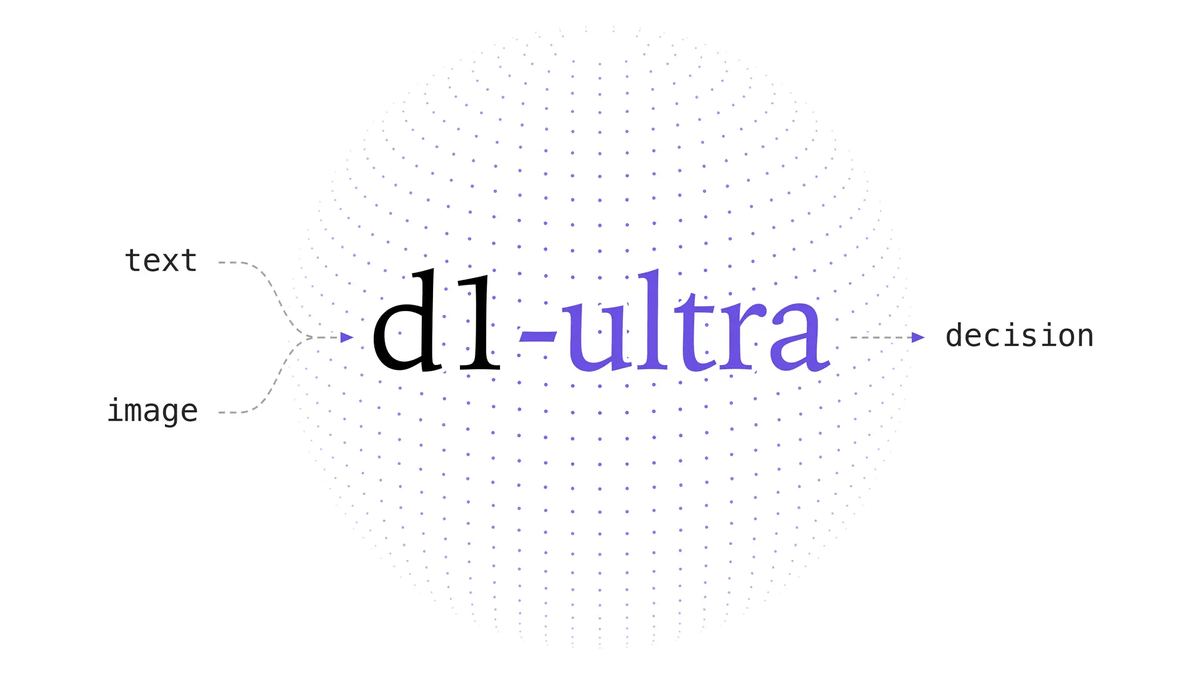
Liquid AI released d1-ultra on October 15, 2026, an upgraded open-weights decision model that averaged 76.7 ac…
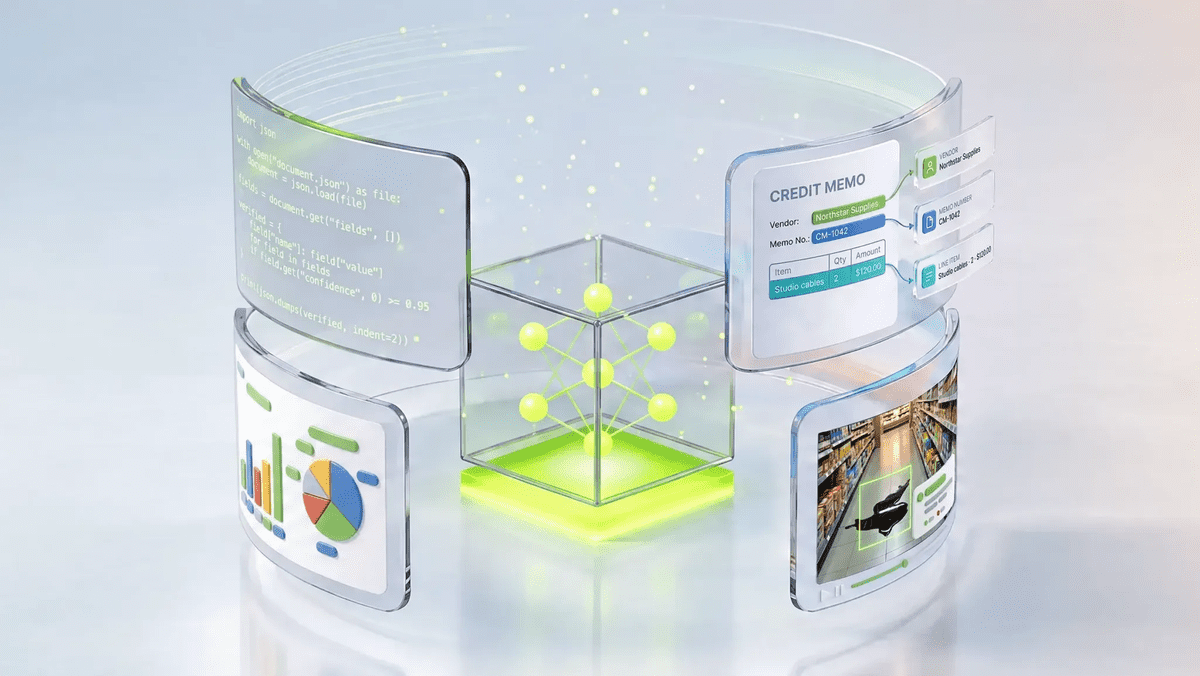
NVIDIA released Nemotron 3.5 Super VL, an open-weight model with 120 billion parameters that handles text, ima…
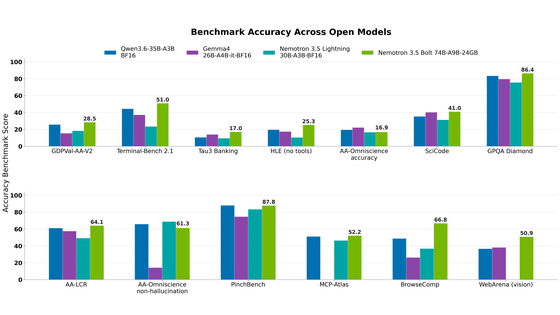
NVIDIA released Nemotron 3.5 Bolt 74B-A9B 24GB, an AI model for local agents that hits over 80 tokens per seco…
Black Forest Labs released FLUX 3 Image Klein as open weights on October 15, 2026 — a 5.6B-parameter model for…