What happened
Kioxia Holdings began shipping samples of its 10th-generation 3D flash memory chips to AI data center operators. The new chips can store 59% more data compared with its previous flagship 8th-generation chip and will be produced at the company's Kitakami plant in Iwate Prefecture. Kioxia's stock rose 8.9% on Friday.
Why it matters
Kioxia held only 10% of the data-center NAND flash memory market last year, trailing Samsung Electronics (40%) and SK Hynix (30%), who bundle memory with high-bandwidth memory chips. According to analyst Akira Minamikawa, Kioxia's NAND chips have superior data processing speed for U.S. hyperscalers (large cloud providers), and the new generation is positioned to be competitive. This move helps Kioxia reduce reliance on smartphone manufacturers like Apple.
What to watch
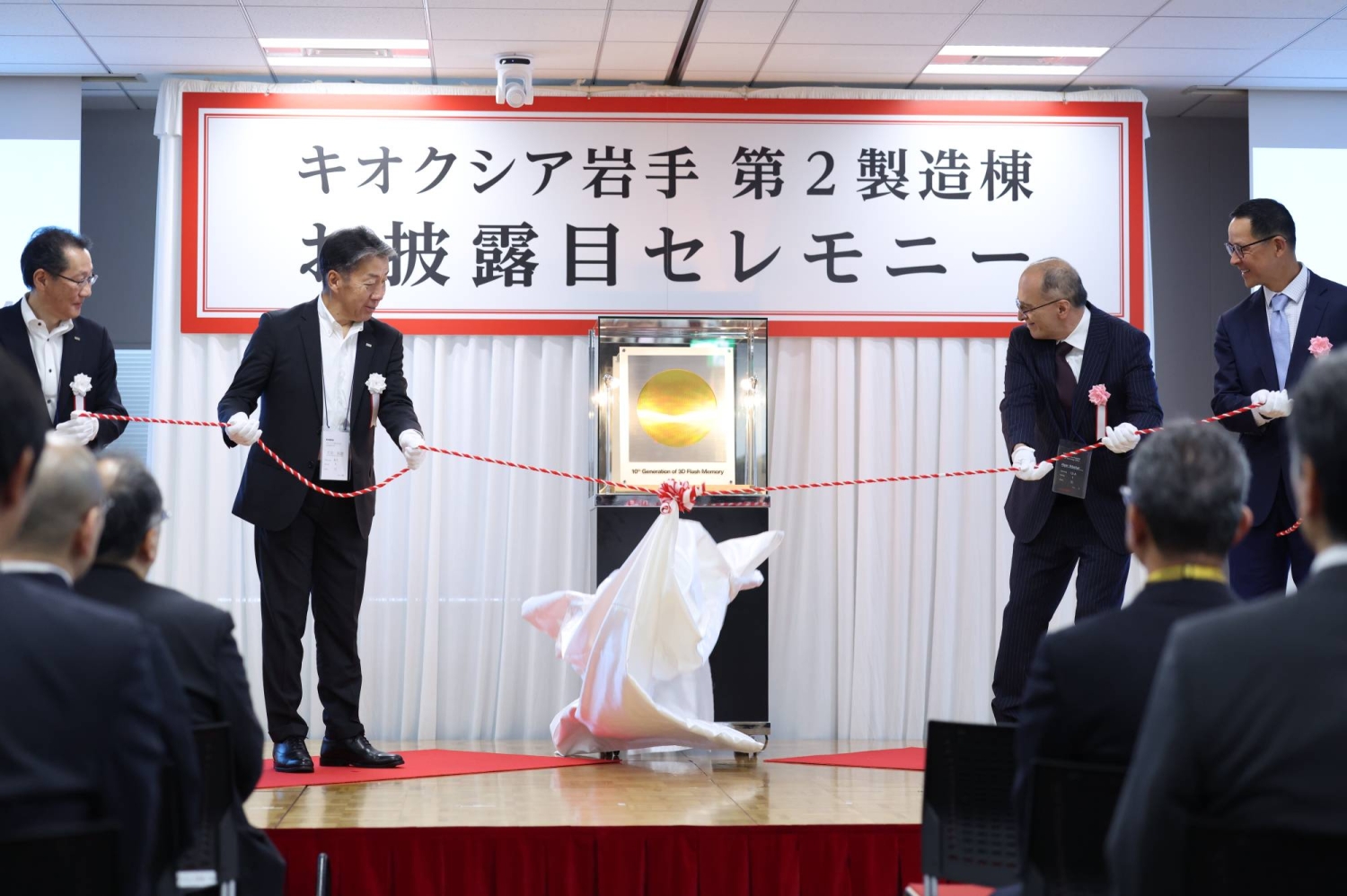
Production will take place at Kioxia's second Kitakami facility, which began operating in September last year. The chips are intended for solid-state drives and will be used as AI agents and robots drive demand for data center storage. Stock volatility remains a concern as questions persist over the sustainability of memory price rises as supply increases.
Summaries like this, in your inbox every morning.
Pick your industry and the AI tools you use, and get news related to your work every day.
Free · 30 seconds with Google · unsubscribe anytimeWhat is AIToday? →
Ask AI anything about this article. The AI reads this article, earlier AIToday articles, and Wikipedia, and cites its sources. Q&As are published on this page for other readers too.

