
ADP's data shows AI is changing jobs, not eliminating them. Early-career workers in vulnerable roles face declines.
AI users are more engaged and less stressed.
Leaders should focus on helping workers adapt.
What happened
ADP's CEO, drawing on payroll data for one in six U.S. workers and 42 million workers worldwide, says AI is not eliminating jobs at scale but reshaping work at the task level. Early-career workers (ages 22-25) in AI-vulnerable occupations like software development and customer service have seen employment declines.
Why it matters
The data shows a shift, not a shrinkage, in the workforce. Employment has grown in occupations where AI is augmentative, and AI users report higher engagement and lower stress, suggesting that business leaders need to rethink workforce planning and skills development.
What to watch
The 'great job unbundling'—how AI changes individual tasks within jobs—and the expectation that AI tools become a baseline for productivity. Leaders who focus on how to help people do more with AI, rather than what it will replace, are likely to come out stronger.
Ask the AI about this article →
The article presents ADP's CEO perspective, leveraging the company's unique data position as a payroll processor for a significant portion of the U.S. workforce. The key argument is that the common focus on AI replacing jobs misses the more nuanced reality of tasks being unbundled and reshaped. This shift is not uniform; it varies by sector, company size, career stage, and geography, with early-career workers in automatable roles facing the most immediate impact. The piece stresses that this is a call for leaders to use data to understand these granular changes, as the stakes for human capital management are higher than ever. The rise of AI as a baseline tool and the increasing value of human judgment point to a future where productivity is measured differently, and worker engagement becomes even more critical. The article ultimately frames AI as a teammate that elevates the value of human reasoning, creativity, and institutional knowledge, urging leaders to see their workforce as a source of these qualities rather than just inputs to be optimized.
For example, today's edition would include:
AI-summarized, only the topics you pick — one digest a day via Email, Slack, or Discord.
Free · takes 30 seconds · unsubscribe anytimeWhat is AIToday? →
Ask AI anything about this article. Q&As are published on this page for other readers too.
Israeli startup DataAgent Ltd
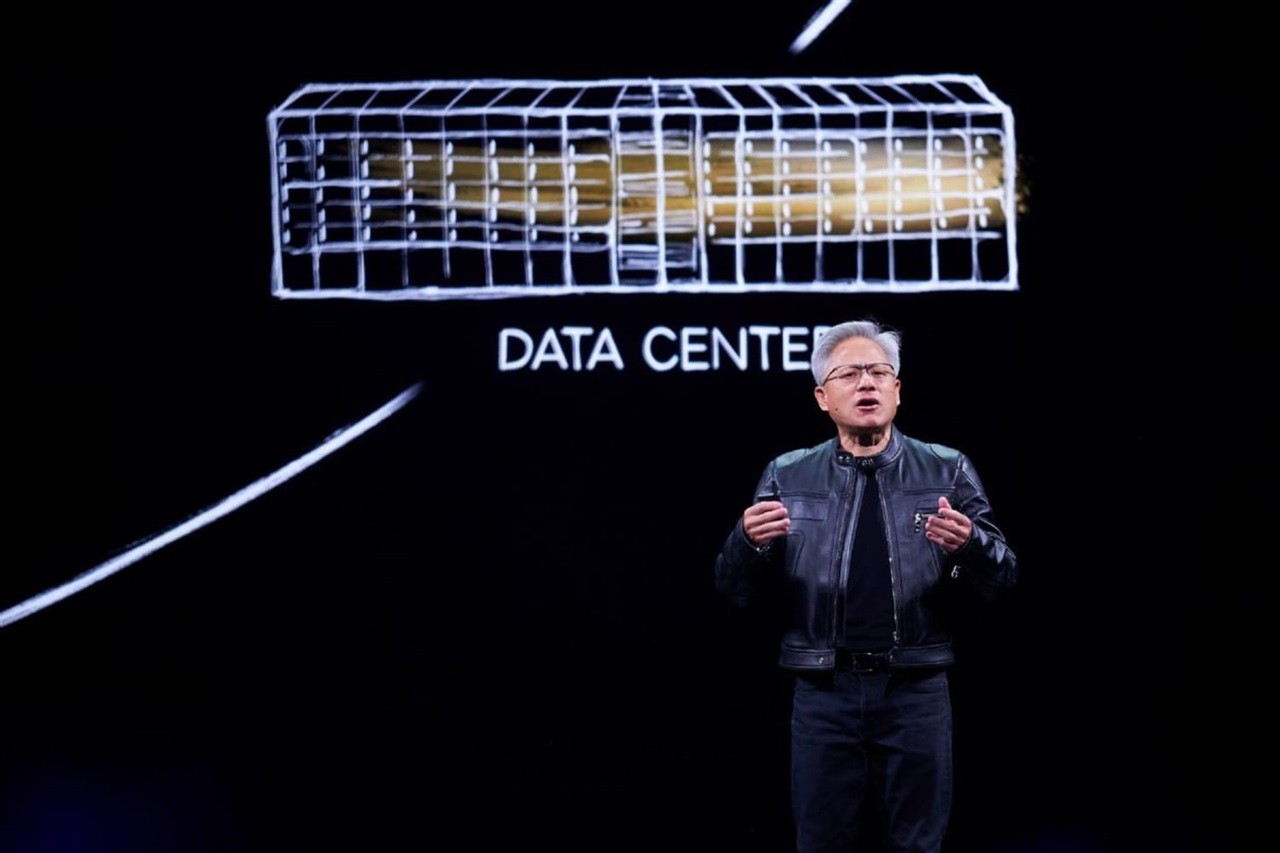
Taoyuan is positioning itself as a northern hub for AI data centers (AIDC), citing the Tatan area and an LNG c…
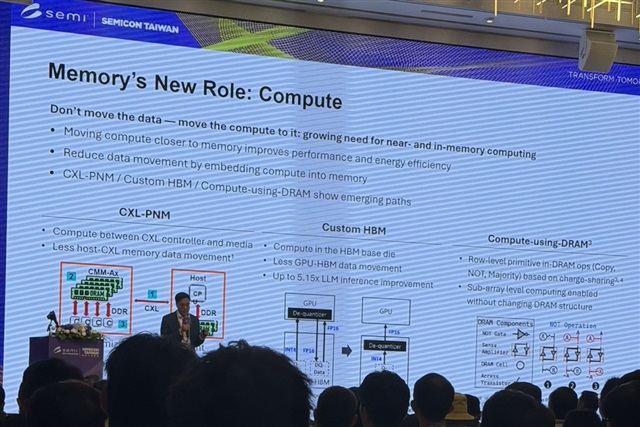
SK Hynix presented a custom HBM concept at SEMICON Taiwan 2026, where compute functions are placed in the base…
The U.S. Department of Defense announced on August 31 that it has deployed ChatGPT Mil, a customized version o…

Nvidia reported earnings that were both remarkable and boring, reflecting its focus on avoiding a consolidated…

Anthropic has agreed to a $35bn cloud-computing contract with Lambda, a Nvidia-backed cloud provider