Texas Pacific Land Corporation's shares surged 52.4% in the first half of 2026, capitalizing on both rising oil and gas prices from the Iran conflict and accelerating AI data center construction in West Texas. The company holds critical assets—land, water rights, and royalty interests—that serve both the energy sector and the emerging AI infrastructure build-out, recently partnering with Bolt (an AI data center startup led by former Alphabet CEO Eric Schmidt) and Chevron for data center support projects.
Summaries like this, in your inbox every morning.
Sign up free →What happened
Texas Pacific Land Corporation (TPL) shares gained 52.4% in the first half of 2026, driven by rising oil and gas prices following Iran conflict and surging demand for AI data centers in West Texas. The company signed a partnership with AI data center startup Bolt (backed by former Alphabet CEO Eric Schmidt), investing $50 million(約80億円) in December, and inked a deal with Chevron to supply land and water for a data center power project in Reeves County.
Why it matters
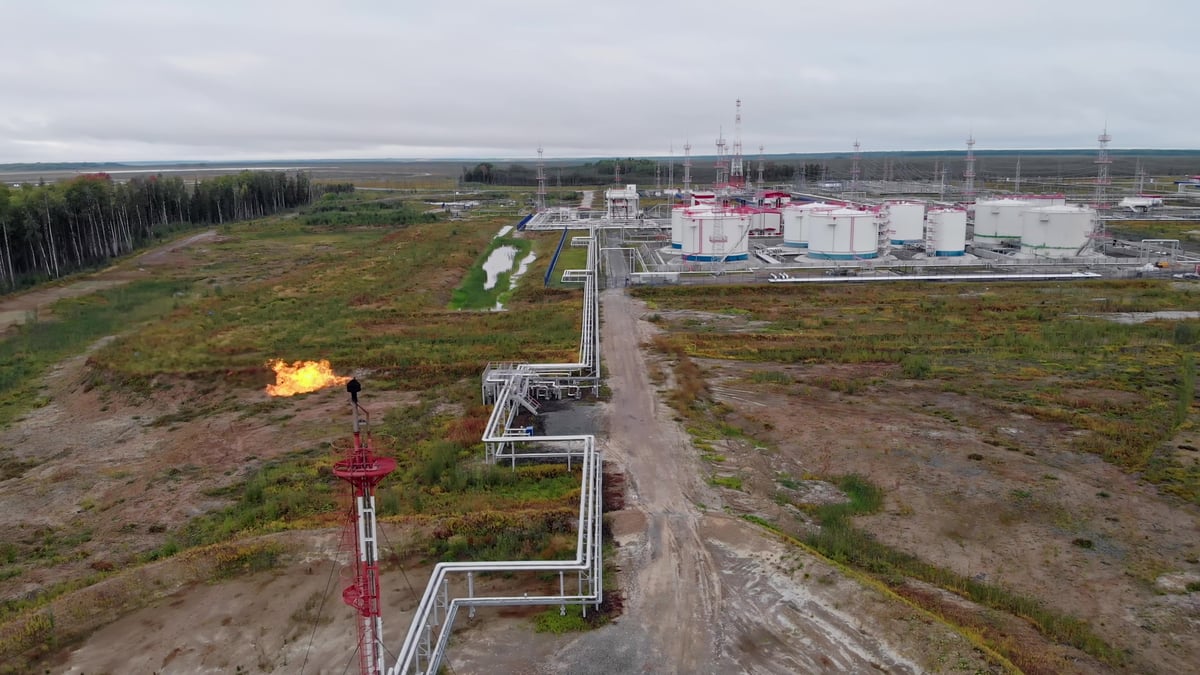
TPL owns 882,000 surface acres and 224,000 net royalty acres near the Permian Basin, positioning it to benefit from both higher energy prices (which boost royalty revenues) and the AI infrastructure boom. West Texas is becoming a prime location for data centers because of cheap land, lower regulatory burden, and abundant energy; TPL also operates water treatment facilities and owns groundwater rights, making it a critical supplier for both oil/gas and AI operations.
What to watch
TPL stock pulled back in March–April as oil prices fell and a ceasefire was agreed on April 7; it also faced pressure after the unexpected death of the CEO of Horizon Kinetics Holdings, TPL's largest shareholder. However, valuations remain elevated at 55 times trailing earnings and roughly 38 times current-year earnings estimates.
Texas Pacific Land's 52.4% first-half 2026 rally reflects a rare convergence of two major secular trends: the energy market and AI infrastructure expansion. The Iran conflict drove oil and gas prices higher, benefiting TPL's royalty income (which rises with commodity prices), while West Texas simultaneously emerged as a prime location for data center construction. The region offers the combination of cheap land, lower regulatory barriers, and abundant energy that data center operators require—plus TPL's additional advantage of owning groundwater and operating water treatment facilities, a critical but often-overlooked input for cooling data centers.
The company's strategic positioning became concrete with two major deals. In December, TPL invested $50 million(約80億円) in Bolt, an AI data center startup backed by former Alphabet CEO Eric Schmidt, securing not only an equity stake and optionality to deepen involvement but also a right of first refusal to supply power and water. Later, a Chevron partnership to supply land and brackish water for a data center power generation plant in Reeves County further validated the model. However, the stock's volatility over the first half—including a March–April pullback when oil prices retreated and a sharp dip following the unexpected death of Horizon Kinetics' CEO (TPL's largest shareholder)—underscores that sentiment remains sensitive to energy prices and shareholder-level uncertainty.
At 55 times trailing earnings and roughly 38 times forward earnings, TPL is trading at a premium that reflects growth expectations tied to continued AI-related development and energy demand. The company's asset-light, royalty-based model and exposure to both legacy energy security and emerging AI infrastructure give it a distinctive moat, but valuations suggest much of this upside may already be priced in.
No discussion yet for this article
Get curated AI news from 200+ sources delivered daily to your inbox. Free to use.
Get Started FreeFree · takes 30 seconds · unsubscribe anytime
1 minute a day. The AI essentials.
200+ sources · Email / LINE / Slack
