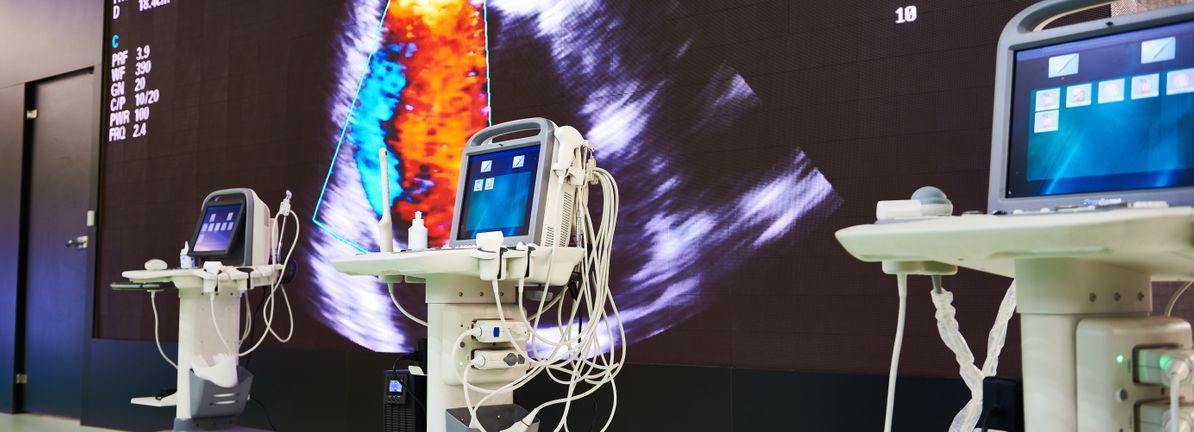
A stock-screening analysis highlights three AI-focused healthcare companies with distinct applications—handheld ultrasound imaging, drug discovery, and genomic diagnostics. While each offers exposure to AI-driven healthcare transformation, all carry risks: Butterfly Network and Tempus AI remain unprofitable with high valuations, while Pfizer faces patent and earnings headwinds despite strong dividend income. Investors interested in precision medicine and AI diagnostics must weigh upside potential against profitability and leverage concerns.
Summaries like this, in your inbox every morning.
Sign up free →What happened
An investment analyst screener identified three healthcare companies using AI: Butterfly Network (US$102.9m revenue, US$1.9b market cap), Pfizer (US$61.9b revenue, US$137.1b market cap), and Tempus AI (US$1.4b revenue, US$10.3b market cap). Each combines different AI applications—handheld ultrasound imaging, drug discovery and obesity treatments, and genomic diagnostics with clinical data—across the healthcare sector.
Why it matters
AI is reshaping healthcare around efficiency, cost control, and data-driven tools. These three stocks represent different entry points for investors interested in AI-powered diagnostics, personalized medicine, and faster drug development. However, all three carry execution risk: Butterfly and Tempus AI are unprofitable with expensive valuations, while Pfizer faces patent expirations and earnings pressure despite a 7% dividend yield.
What to watch
Butterfly Network is pursuing multiple licensing and milestone payment agreements signaling revenue expansion; Pfizer's obesity and oncology pipeline could influence its earnings mix; Tempus AI has attracted blue-chip pharma partners like Gilead and Bristol Myers Squibb, with recent FDA credibility for its xT CDx assay and ECG AF model. The screener flagged 37 additional AI healthcare companies beyond these three.
Healthcare investors are increasingly drawn to AI applications that address three pressures: improving efficiency, controlling costs, and leveraging data. The three stocks highlighted—Butterfly Network, Pfizer, and Tempus AI—each represent a different angle on this trend, from point-of-care imaging to pharma R&D to precision diagnostics. Butterfly Network, the smallest by market cap at US$1.9b, is pursuing a licensing strategy with upfront and milestone payments, a sign it is exploring multiple revenue models beyond device sales. Pfizer, the most established, benefits from a broad portfolio of approved drugs and vaccines but faces pressure from patent expirations; its AI-supported pipeline in high-growth areas like obesity and oncology may be critical to offsetting near-term earnings declines. Tempus AI, at US$10.3b market cap, is building what the analysis calls a "data moat"—tens of millions of de-identified patient records that feed its AI models serving both hospitals and pharmaceutical research. The analyst notes that all three carry financial risks: Butterfly and Tempus AI remain unprofitable and rely on external funding, while Pfizer's high dividend (around 7%) may mask deeper challenges in its portfolio transition. The screening tool identified 37 additional AI healthcare companies, suggesting this intersection of AI, diagnostics, and precision medicine remains a crowded field where execution will separate winners from laggards.
No comments yet. Be the first to share your thoughts!
Log in to join the discussion





Get curated AI news from 200+ sources delivered daily to your inbox. Free to use.
Get Started FreeFree · takes 30 seconds · unsubscribe anytime
1 minute a day. The AI essentials.
200+ sources · Email / LINE / Slack
