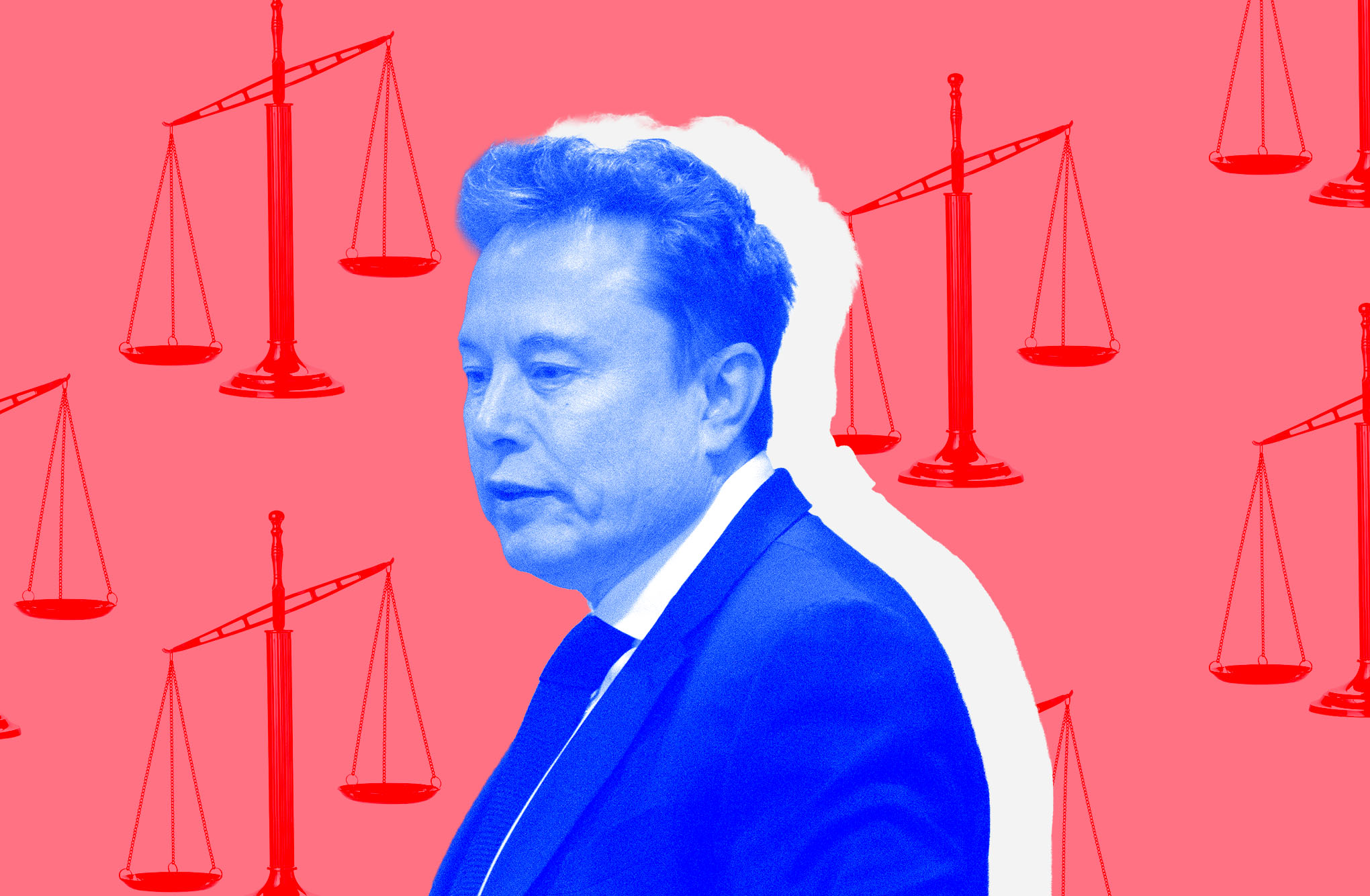
Musk testified that he came up with the idea and name for OpenAI, recruited key people, provided all initial funding, and worked between 80 to 100 hours a week. He portrayed himself as the driving force behind the organization, stating he became involved in AI safety after a conversation with Google's Larry Page about whether AI could wipe out humanity.
During direct examination, Musk recounted his biography and various ventures unrelated to OpenAI rather than building a clear narrative about whether Sam Altman strayed from OpenAI's stated mission. He discussed a potential for-profit model for OpenAI that he had not agreed to in the form that actually came to pass.
The courtroom remained largely silent or puzzled during Musk's testimony, with the observer noting he appeared petulant and sounded more focused on defending his own role than addressing the core legal claim. His performance contrasted sharply with his demeanor in a previous defamation suit where he had shown more animation and persuaded a jury to find him not guilty.
Summaries like this, in your inbox every morning.
Pick your industry and the AI tools you use, and get news related to your work every day.
Free · 30 seconds with Google · unsubscribe anytimeWhat is AIToday? →
Ask AI anything about this article. The AI reads this article, earlier AIToday articles, and Wikipedia, and cites its sources. Q&As are published on this page for other readers too.
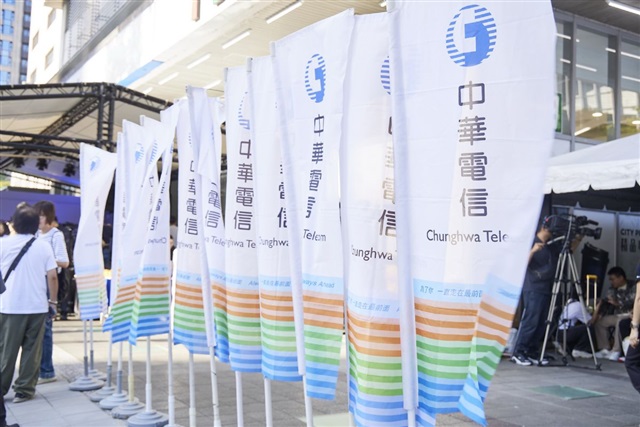
Chunghwa Telecom president Rong-shy Lin said the shift from conversational AI to autonomous AI agents is resha…
CoreWeave fell 5% in premarket trading Friday and was on track to finish the week down 15%, after rebounding f…
Apple and Meta said they would jointly release a new open-weight AI model designed to run on high-end Macs, ai…
Investors put $38.5 billion into Asian startups in Q3, per Crunchbase data
A longtime Anthropic investor told Fortune he expects shares priced around $1.8 trillion, below the company's…
In Q2, billionaires or their funds sold six 'Magnificent Seven' AI stocks