What happened
Bloomberg's Mag-7 index (tracking major AI-focused tech firms) is now 12.2% below its May 29 peak. The comparison to the dot-com boom raises a key question: if equity prices have peaked, will business investment in AI equipment and software follow the same downturn pattern that occurred in 2000–2001.
Why it matters
Unlike the dot-com era, when equity declines directly choked off investment funding, today's Mag-7 firms have sufficient retained earnings to internally fund spending and are only now tapping debt markets. This structural difference suggests AI investment may not crater as sharply as it did two decades ago, even if stock prices remain under pressure.
What to watch
Professional forecasters assume continued investment growth, but the recent equity decline suggests a possible downturn may be imminent. The actual trajectory of nonresidential fixed investment in equipment and software over the next few quarters will signal whether the 2000 analogy holds or breaks.
Summaries like this, in your inbox every morning.
Pick your industry and the AI tools you use, and get news related to your work every day.
Free · 30 seconds with Google · unsubscribe anytimeWhat is AIToday? →
Ask AI anything about this article. The AI reads this article, earlier AIToday articles, and Wikipedia, and cites its sources. Q&As are published on this page for other readers too.
Dell says its AI Data Platform uses a four-engine architecture and a Unified Semantic Layer to connect siloed…

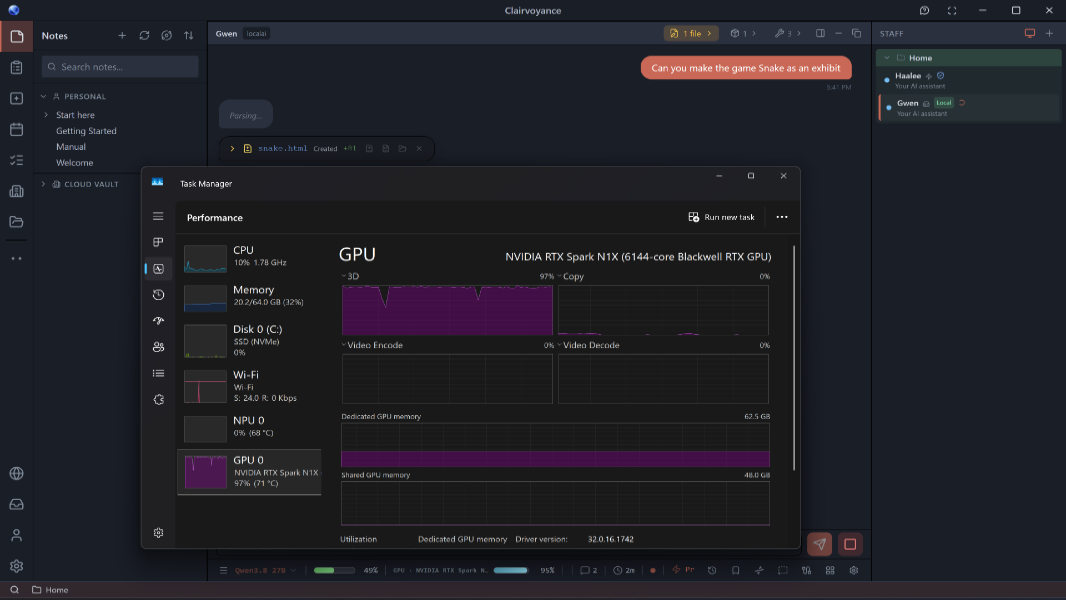
Microsoft and Nvidia are promoting RTX Spark, a new class of Windows PCs for local AI, with a top configuratio…
Microsoft AI CEO Mustafa Suleyman told employees that MAI-Base-2, announced Thursday, is a stronger pre-traine…

Germany's government will unveil an AI agreement with Nvidia next week, according to government sources cited…

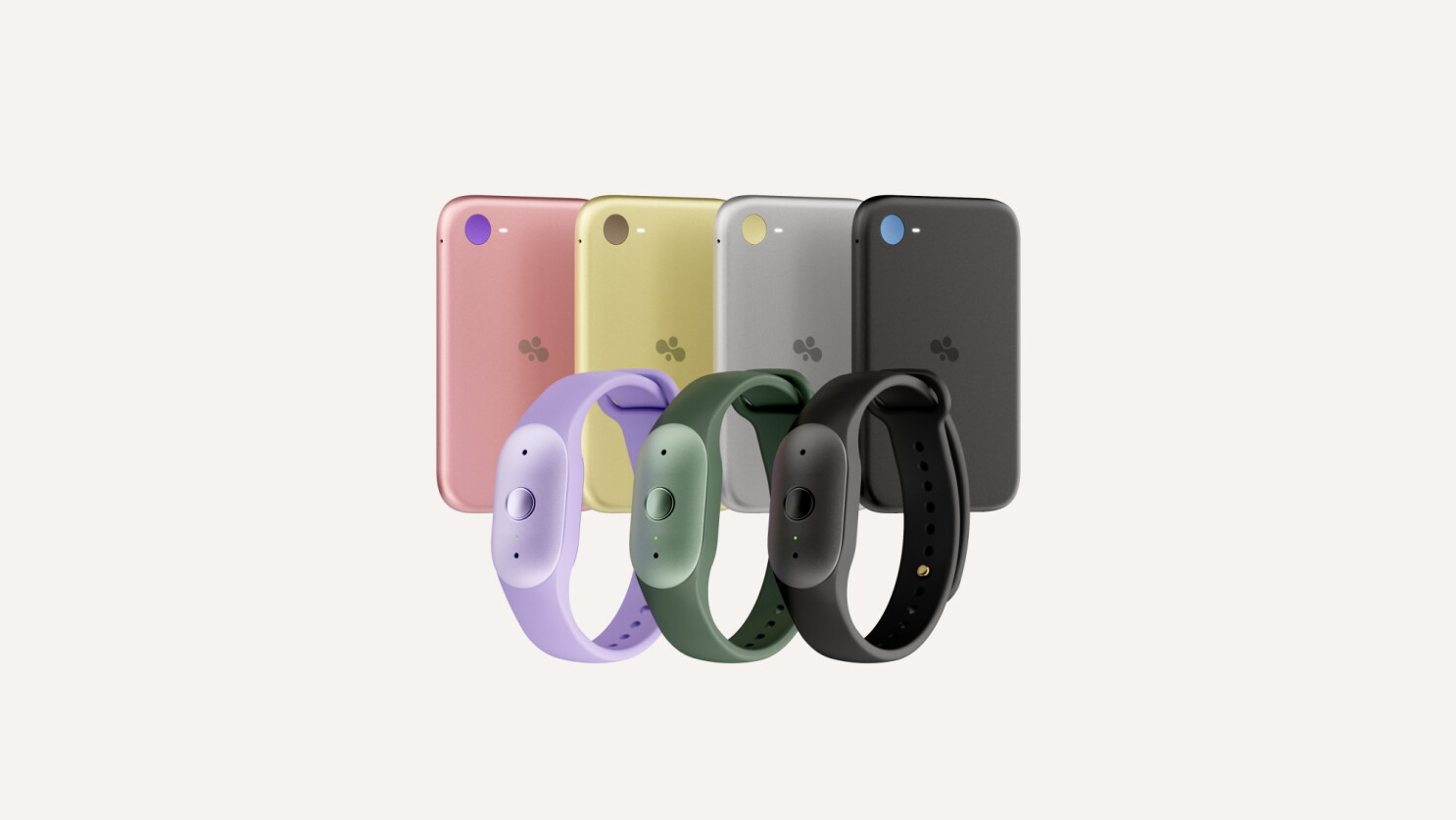
Amazon introduced Bee Frontier, a wearable personal AI, for $74.99 in Onyx, Lavender and Sage, and Bee Eclipse…
Wall Street ended down sharply, with worries about the AI trade and high oil prices weighing on the market