Corning has signed multiyear, multibillion dollar AI fiber deals with Amazon and Meta. The most followed valuation model says Corning is 23.7% undervalued.
Its fair value is $191.40 versus the last close of $146.
The stock is up 61.02% year to date.
What happened
Corning (GLW) secured multiyear, multibillion dollar supply agreements with Amazon and Meta for optical fiber, cable, and connectivity products used in AI infrastructure. The most followed valuation narrative pegs Corning's fair value at $191.40, above the last close of $146, implying it is 23.7% undervalued.
Why it matters
These contracts position Corning more firmly in large-scale data center build outs, with the Amazon deal alone expected to support about 1,000 jobs in North Carolina. The stock is up 61.02% year to date with a 1-year total shareholder return of 111.24%, though shorter-term returns over the past month and quarter have declined.
What to watch
The test is whether Corning’s AI fiber momentum can offset the recent pullback in shorter-term returns, with bulls and bears split on the run-up. The stock’s last close of $146 versus the $191.40 fair value is the figure to watch.
Ask the AI about this article →
Summaries like this, in your inbox every morning.
Corning's recent AI fiber contracts with Amazon and Meta are part of a broader push into optical communications for AI infrastructure. These deals follow a strong run in the share price, which is up 61.02% year to date and has delivered a 111.24% one-year total shareholder return. However, shorter-term momentum has cooled, with returns over the past month and quarter declining.
The valuation picture is nuanced. While the consensus model suggests Corning is 23.7% undervalued with a fair value of $191.40, the stock currently trades on a P/E of 66.2x, which is higher than the fair ratio of 49.5x and above the US Electronic industry at 29.7x. This could indicate that investor enthusiasm is running ahead of fundamentals.
Corning's Springboard plan aims to add more than $4 billion in annualized sales by 2026, with growth expected in Optical Communications and Solar sectors. The company sees Gen AI data centers as a key driver of incremental revenue and expects operating margins to improve toward 20% by the end of 2026. The main risks to watch are a potential slowdown in Gen AI or solar demand and intensifying competition in optical and solar markets.
For example, today's edition would include:
AI-summarized, only the topics you pick — one digest a day via Email, Slack, or Discord.
Free · 30 seconds with Google · unsubscribe anytimeWhat is AIToday? →
Ask AI anything about this article. Q&As are published on this page for other readers too.
JM-Applied, a Taiwanese semiconductor gas equipment maker and supply chain member for Micron and TSMC, said on…
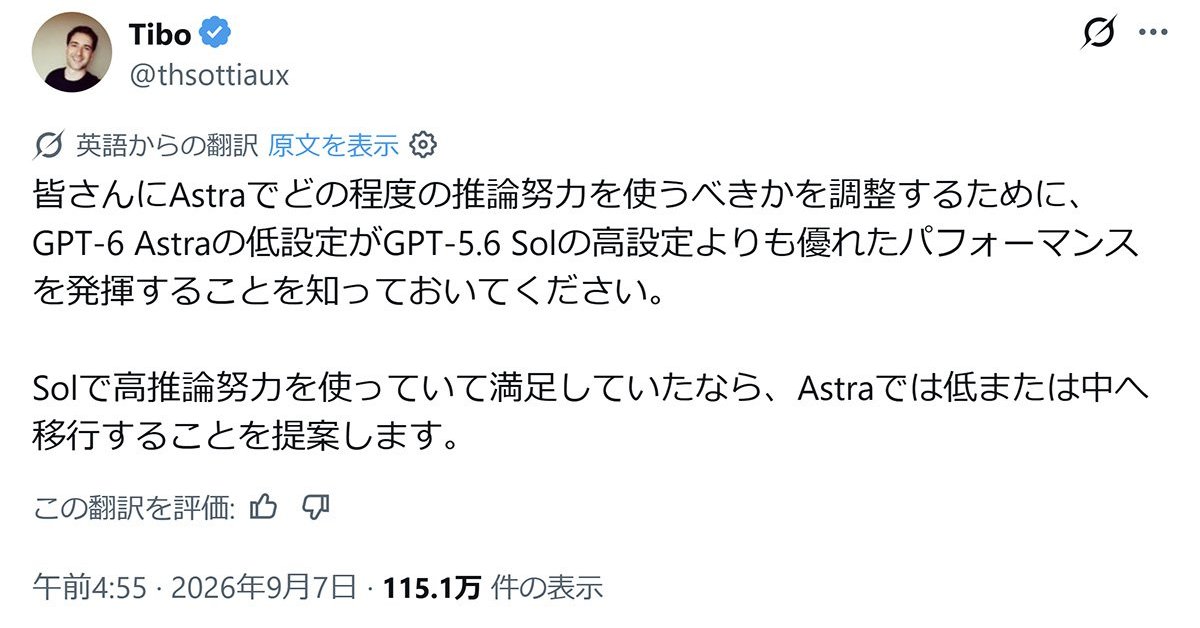
OpenAI's product lead Tibo Sotiou posted on X on September 6 that GPT-6 Astra's 'low' setting outperforms GPT-…
Nvidia disclosed roughly $99 billion of public and private equity investments as of July 26, plus about $25 bi…
In January, Ukraine's defense ministry said it would share millions of data points from tens of thousands of d…

OpenAI Group PBC acknowledged it did not publicly disclose an episode where its AI agents wrote to outside web…

Eaton is expanding beyond traditional power management into modular power deployment, next-generation DC conve…