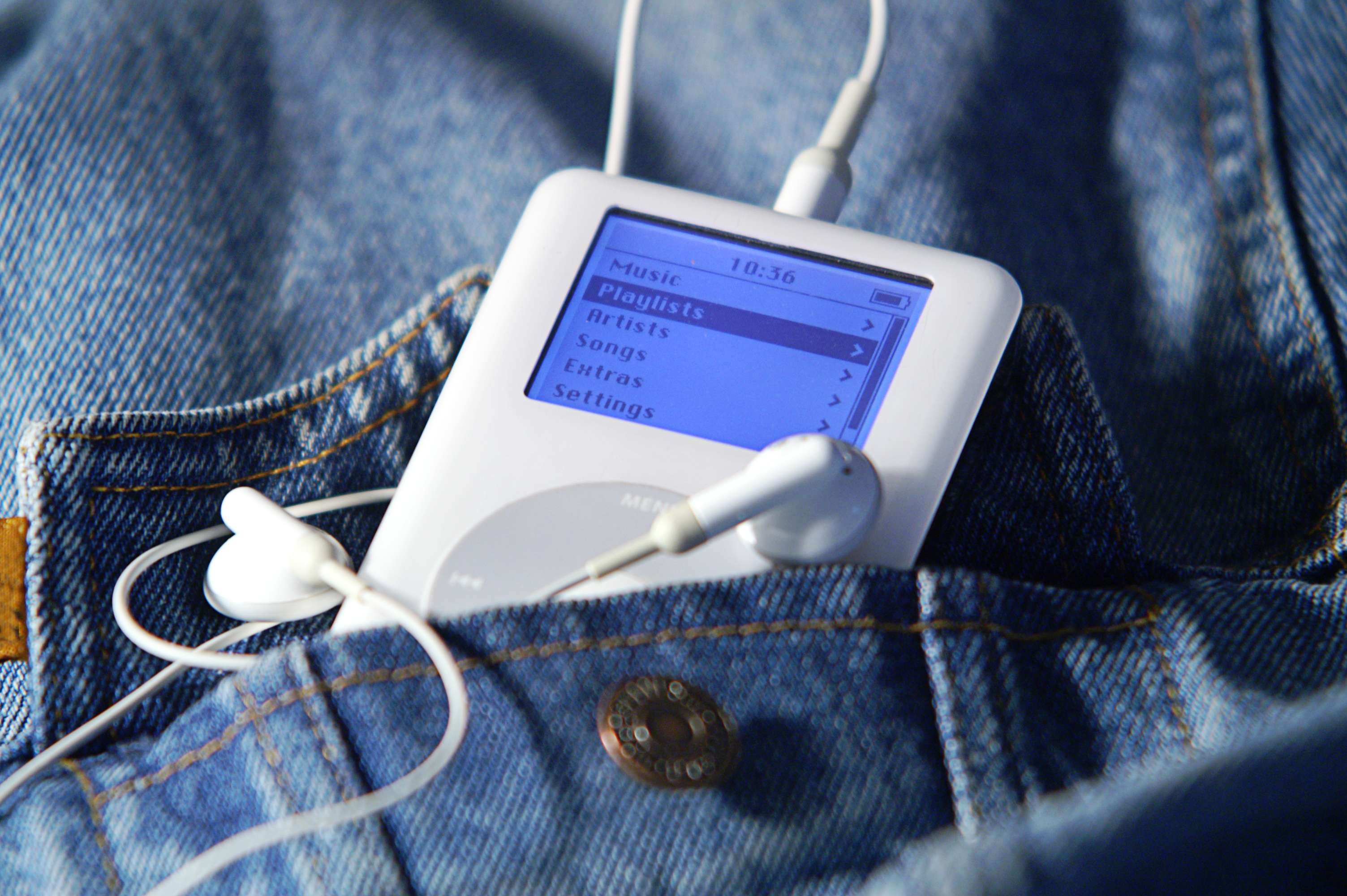
Americans are increasingly rejecting always-online technology, reviving vintage iPods, flip phones, and offline hobbies like knitting in what analysts call a tech backlash.
The movement reflects anger over AI introduced without consent and a desire for control over devices and data, with communities also organizing locally against data center expansion amid concerns about environmental and social costs.
What happened
Analyst Sara Watson describes a surging cultural movement away from always-connected devices. People are dusting off vintage iPods, buying flip phones and Light Phone devices, and embracing "analog" aesthetics—from hand-lettered zines to custom-built cyberdecks. About 169,000 people visit a Reddit community dedicated to digital minimalism each week.
Why it matters
The backlash reflects deeper frustration with AI and tech imposed without consent. People report lacking representation in tech moguls' vision of the future and are resisting what they see as inevitable automation. Resistance is also material: communities are organizing town-by-town against data centers over environmental concerns (water, energy, noise) in the absence of state or federal regulation.
What to watch
Watson identifies a common thread: "friction-maxxing" and reasserting bodily, tactile control over devices. The movement spans from L.L. Bean selling "analog" boat bags to Land's End's "analog summer" campaign. She argues these norms and design choices—not just law—can shape how technology emerges and is adopted.
Ask the AI about this article →
For example, today's edition would include:
AI-summarized, only the topics you pick — one digest a day via Email, Slack, or Discord.
Free · takes 30 seconds · unsubscribe anytimeWhat is AIToday? →
Ask AI anything about this article. Q&As are published on this page for other readers too.

