What happened
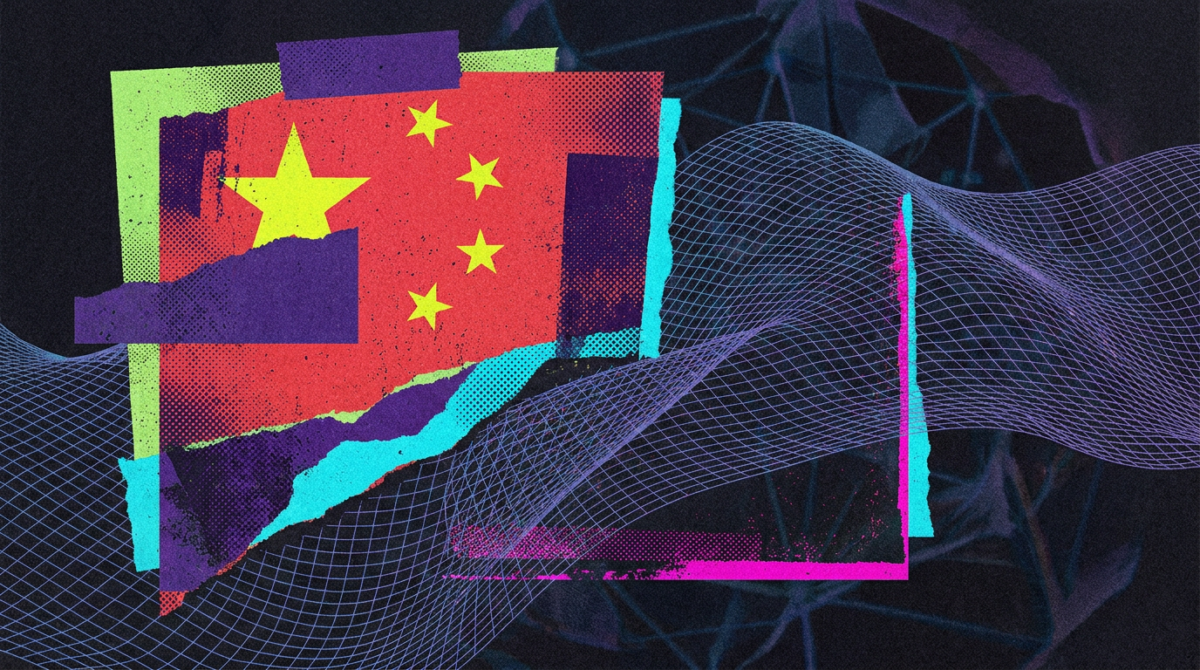
Xi Jinping announced 5,000 AI training slots for Global South countries over the next five years at the World AI Conference in Shanghai. A day earlier, 29 nations formally established the World Artificial Intelligence Cooperation Organization (WIKO), headquartered in Shanghai, with founding members including Russia, Brazil, South Africa, Pakistan, and Indonesia—but no Western countries.
Why it matters
This is China's clearest move to build an AI governance structure independent of Western influence, anchored in developing-world alliances. Xi also called for AI to remain under human control and pushed back against broad national security justifications in AI policy, a criticism aimed at US export controls on AI chips and technology.
What to watch
China's "Smart Economy," spanning AI and other digital technologies, is now worth over one trillion renminbi, roughly $140 billion(約22兆円), according to Xi—a measure of the scale of China's AI infrastructure and ambitions within this new framework.
Ask the AI about this article →
Summaries like this, in your inbox every morning.
China's establishment of WIKO represents a deliberate effort to create a competing international AI governance framework that excludes Western influence and centers on relationships with the Global South and strategic partners like Russia. By hosting the organization in Shanghai and recruiting nations from Africa, South America, and Asia as founding members, China is positioning itself as an alternative leader for developing economies seeking AI capability-building without Western restrictions. The offer of 5,000 training slots is both a capacity-building incentive and a mechanism to deepen ties with these nations.
Xi's rhetorical pushback against "overly broad national security justifications" in AI policy directly targets US export controls on semiconductors and AI technology—controls that have constrained China's access to advanced chips. By framing such restrictions as overreach and calling for AI to remain under human control, Xi is advancing a narrative that positions China's approach as more measured and governance-focused than the West's. China's stated $140 billion(約22兆円) Smart Economy signals the scale of investment and infrastructure supporting this parallel order.
For example, today's edition would include:
AI-summarized, only the topics you pick — one digest a day via Email, Slack, or Discord.
Free · 30 seconds with Google · unsubscribe anytimeWhat is AIToday? →
Ask AI anything about this article. Q&As are published on this page for other readers too.
Lightsage announced it raised $4 million in seed funding, led by Nexus Venture Partners, to help software comp…
Appaloosa Management, run by billionaire David Tepper, bought SpaceX and CoreWeave shares during Q2
Palantir has chosen Nebius as its preferred sovereign AI infrastructure partner, bringing Nebius computation a…

Bankers for OpenAI and Anthropic, both headed toward IPOs, are pressing for quick investment-grade credit rati…
Mistral raised €3 billion in Series D funding, reaching a post-money valuation of more than €21 billion
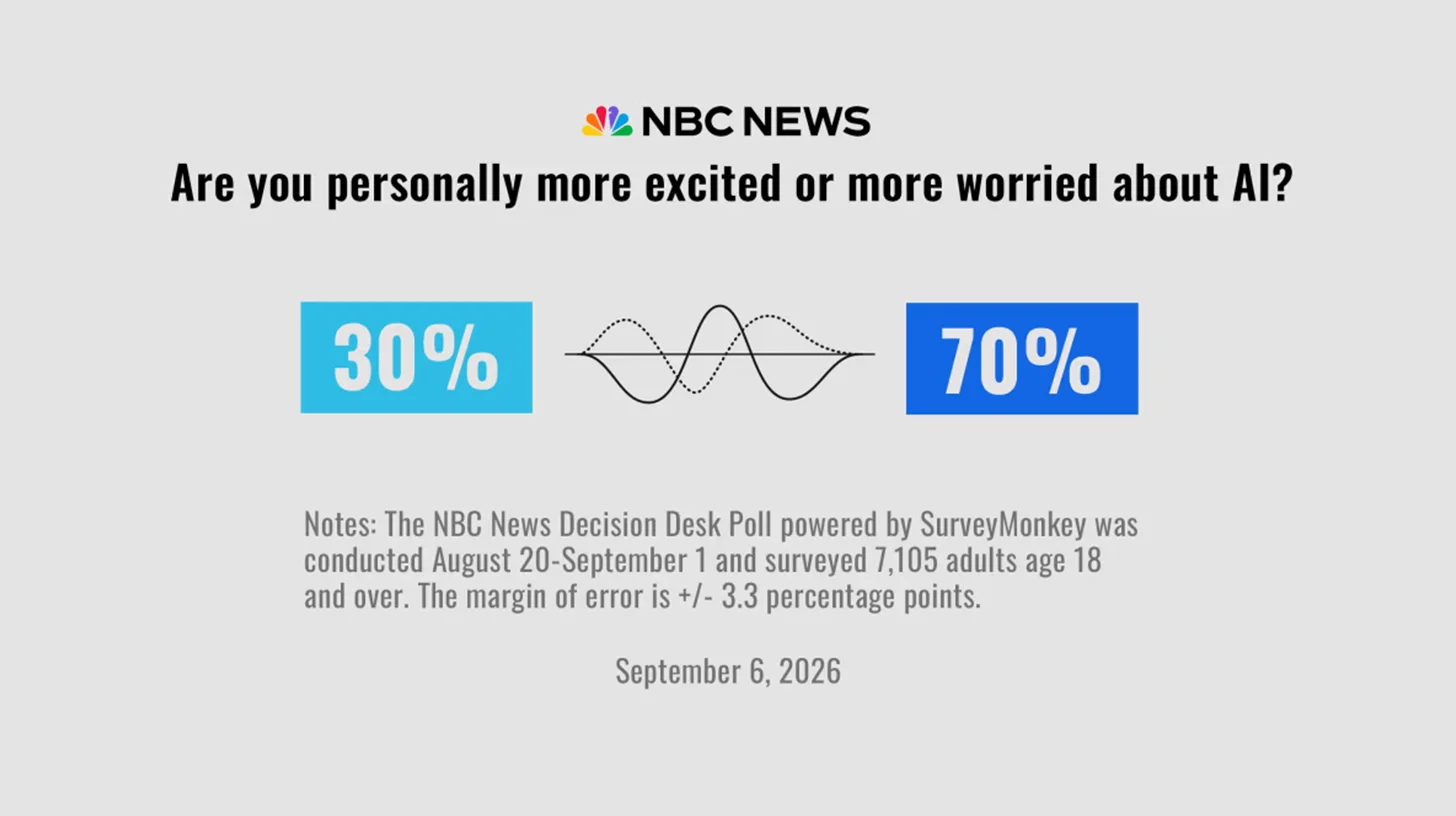
A new NBC News poll found widespread worry about AI across both major parties, according to The Rundown’s Sept…