
Three SaaS stocks—Palantir, Microsoft, and GitLab—are positioned to benefit from AI because software platforms are model-agnostic and deeply embedded in organizations.
Palantir's AI platform reduces hallucinations and improved net dollar retention to 157% in Q2.
Microsoft's Copilot adoption is strong, and GitLab trades cheaply despite AI concerns.
What happened
An analysis identifies Palantir Technologies, Microsoft, and GitLab as SaaS stocks with significant upside from AI, citing their model-agnostic platforms, enterprise entrenchment, and AI-driven growth despite broader investor caution toward SaaS and AI convergence.
Why it matters
Software companies are positioned to play a critical role in AI deployment because they remain deeply embedded in organizations with compliance and security guardrails in place, insulating them from risks like AI model commoditization or disintermediation that concern investors. Palantir's net dollar retention reached 157% in Q2, and Microsoft's Copilot adoption is driving strong growth in enterprise software.
What to watch
GitLab trades at a price-to-sales multiple of just 5.5 times based on fiscal 2028 analyst estimates, despite investor concerns that AI may disrupt its DevSecOps platform; the company has shifted toward a hybrid consumption model similar to Microsoft's approach, suggesting potential for AI-driven upside.
Ask the AI about this article →
Investor caution toward SaaS and AI convergence has centered on several risks: AI disintermediation (AI replacing software), vibe coding (concerns about AI-generated code quality), and a potential shift toward consumption-based business models that could erode traditional software revenue. However, the analysis argues that not all SaaS companies face equal risk. The critical distinction is that software platforms operate independently of any single AI model. Organizations implementing AI need guardrails—compliance, security, data governance—that software companies already provide and have embedded deeply into their operations. This creates a structural moat: even if the AI model powering a workflow changes or commoditizes, the software layer remains essential and difficult to displace.
Palantir exemplifies this thesis. Starting as a government data-analytics contractor, it has evolved into an AI operating system that addresses a real customer problem: AI hallucinations and lack of real-world utility. Its 157% net dollar retention in Q2 signals strong land-and-expand dynamics and customer satisfaction. Microsoft occupies a different position—the dominant incumbent in enterprise productivity—but its strategy reinforces the same insight: it is bundling AI (Copilot, Azure, custom chips, and a major OpenAI stake) within its deeply entrenched software estate. GitLab, smaller and cheaper, faces skepticism that AI-driven code generation will undermine its DevSecOps platform, yet the company's pivot to a hybrid consumption model and commentary from Microsoft and JFrog suggest the DevSecOps sector is strengthening, not weakening, as AI drives more software development.
For example, today's edition would include:
AI-summarized, only the topics you pick — one digest a day via Email, Slack, or Discord.
Free · takes 30 seconds · unsubscribe anytimeWhat is AIToday? →
Ask AI anything about this article. Q&As are published on this page for other readers too.
Israeli startup DataAgent Ltd
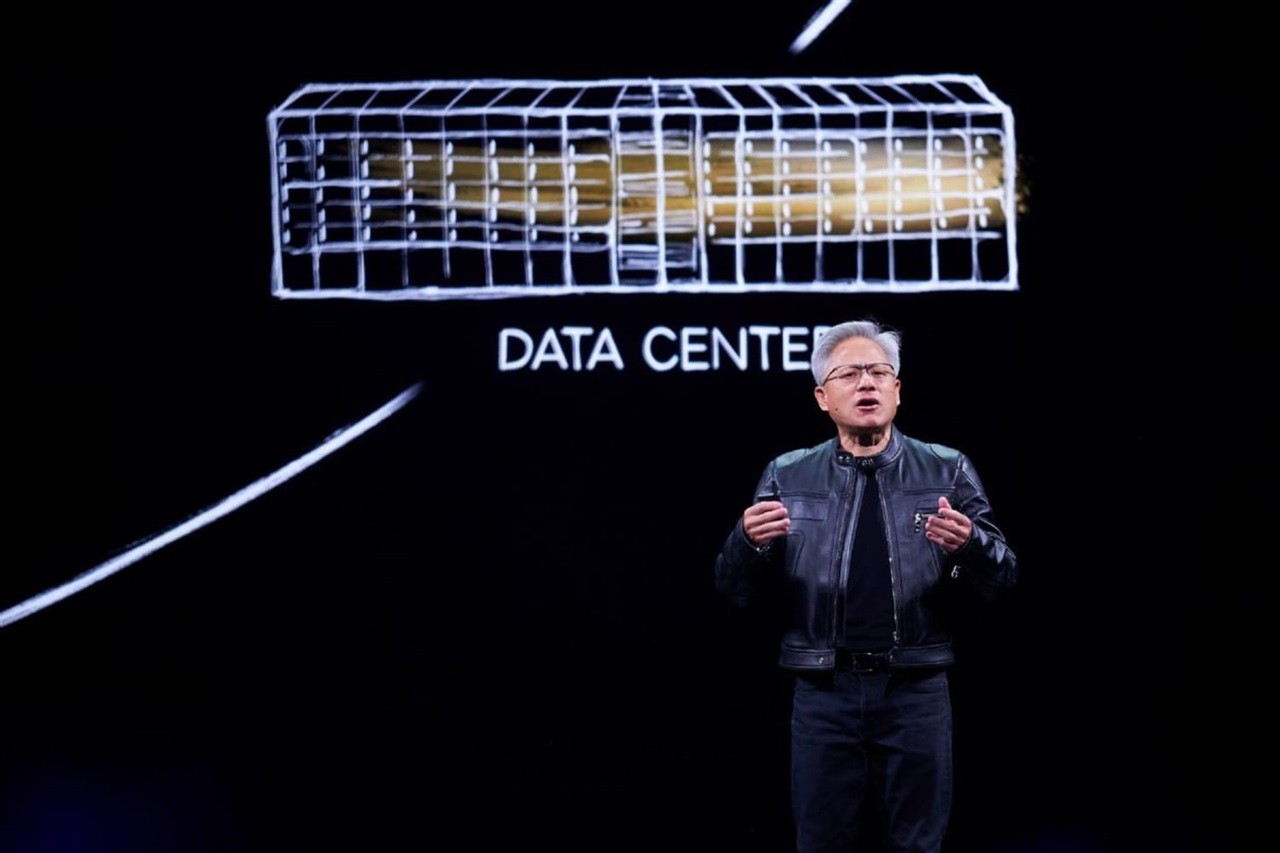
Taoyuan is positioning itself as a northern hub for AI data centers (AIDC), citing the Tatan area and an LNG c…
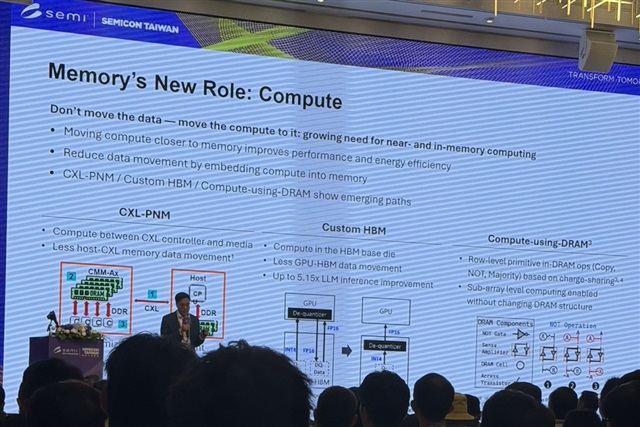
SK Hynix presented a custom HBM concept at SEMICON Taiwan 2026, where compute functions are placed in the base…
The U.S. Department of Defense announced on August 31 that it has deployed ChatGPT Mil, a customized version o…

Nvidia reported earnings that were both remarkable and boring, reflecting its focus on avoiding a consolidated…

Anthropic has agreed to a $35bn cloud-computing contract with Lambda, a Nvidia-backed cloud provider