What happened
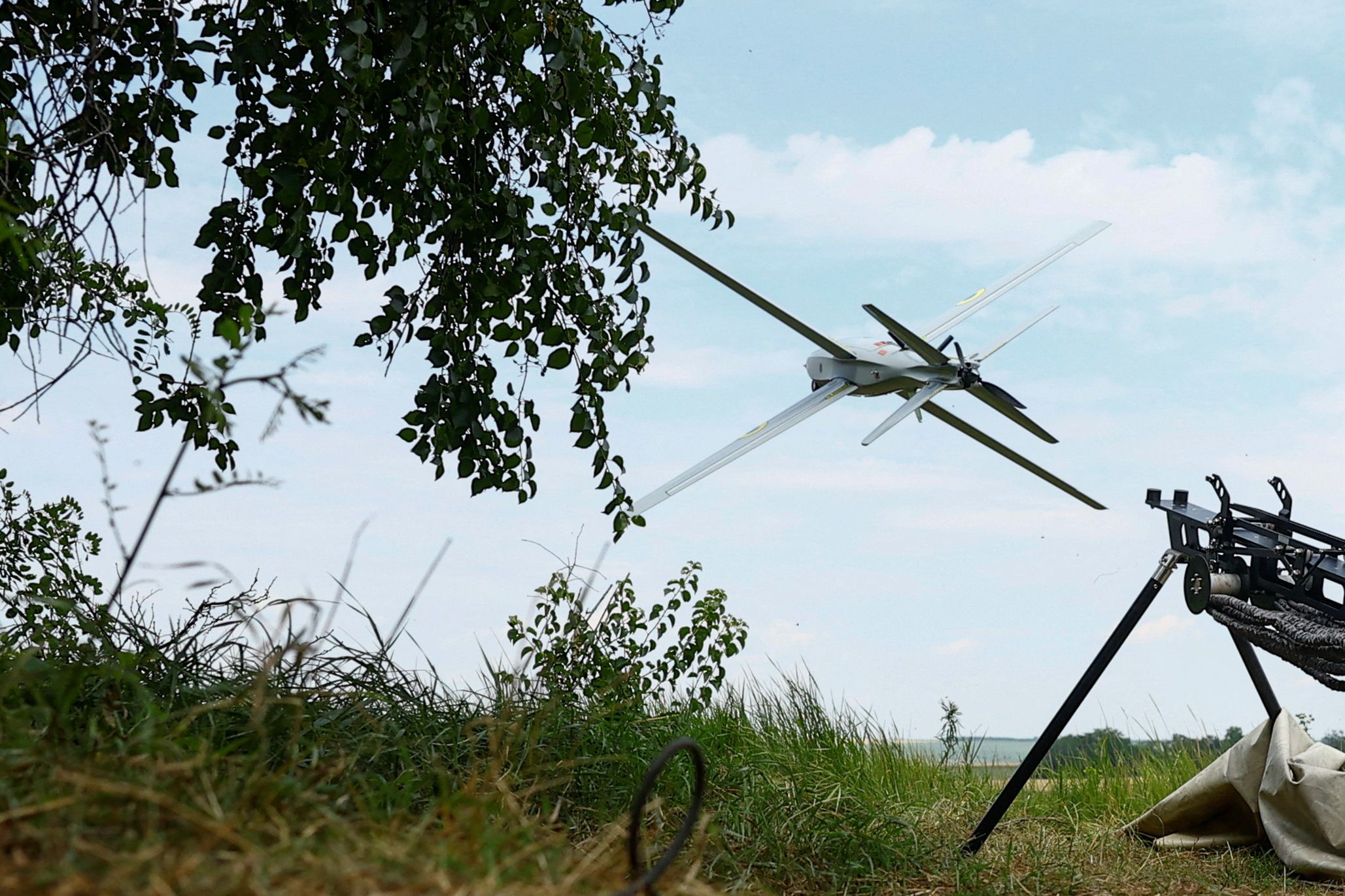
UN Secretary-General António Guterres called for a ban on fully autonomous weapons, saying the decision to take life "must remain forever human" and describing AI-controlled weapons as "morally repugnant." Ukraine has already used AI-powered drones to kill Russian soldiers as early as 2024.
Why it matters
Autonomous weapons are becoming operational despite ethical concerns, creating pressure for international policy. However, some roboticists and philosophers dispute the moral case: one roboticist argues autonomous systems are more discriminate than frightened human soldiers, while a philosopher noted in 2022 that using robots may prevent young soldiers from bearing "the moral burden" of war.
What to watch
The call reflects growing tension between military adoption and ethical objections, including from US tech company employees who have protested against Pentagon work on such systems.
Summaries like this, in your inbox every morning.
The UN Secretary-General's call for an autonomous weapons ban reflects a growing divide between military adoption and ethical pushback. Ukraine's documented use of AI-powered drones in 2024 demonstrates that these systems have already moved beyond theoretical debate into active deployment, even as international consensus on their legality and morality remains fractured.
Guterres frames the issue as a fundamental question of human agency and moral responsibility—that humans must retain control over lethal decisions. However, the body of expert opinion is not uniform. Some roboticists and philosophers present a countervailing view: that autonomous systems could reduce casualties by applying targeting decisions more consistently and without the fear or emotional distress that sometimes clouds human judgment in combat. This disagreement suggests that a regulatory path forward may require addressing not just the principle of autonomous decision-making, but also empirical claims about discriminate use and civilian harm.
Pick your industry and the AI tools you use, and get news related to your work every day.
Free · 30 seconds with Google · unsubscribe anytimeWhat is AIToday? →
Ask AI anything about this article. The AI reads this article, earlier AIToday articles, and Wikipedia, and cites its sources. Q&As are published on this page for other readers too.

