
Goldman Sachs warns AI could cause 'cognitive atrophy' in traders.
The bank is balancing AI adoption with preserving its apprenticeship culture.
It estimates over 9% of US jobs may be displaced by AI in a decade.
What happened
Goldman Sachs' Chris Churchman warned that overreliance on AI could turn traders into passive operators and prevent junior traders from learning senior traders' 'tacit and intuitive knowledge.'
Why it matters
While AI could make trading and banking more profitable, it risks reducing the industry's apprenticeship culture, which is key to passing on expertise. Goldman Sachs is still figuring out how to manage this as it transitions more systems to AI.
What to watch
The bank's research found AI displacement could be stronger among entry-level employees, and it estimates over 9% of U.S. jobs could be displaced by generative AI over the next 10 years.
Ask the AI about this article →
Chris Churchman's comments reflect a broader tension within financial institutions: the drive to embed AI for profitability versus the need to preserve the human mentorship that has long defined the industry. By pointing to the danger of 'cognitive atrophy,' he highlights that AI adoption is not just a technical shift but a cultural one, potentially undermining how junior employees develop expertise.
Goldman Sachs' own research suggests AI's impact will be most felt among entry-level workers, while industries like call centers and software publishing have already seen slower job growth since 2022. Yet the bank also projects that AI will create new jobs, tempering the overall unemployment impact. This dual view underscores the uncertainty as firms like Goldman navigate AI's integration, balancing efficiency gains with the risk of losing institutional knowledge.
For example, today's edition would include:
AI-summarized, only the topics you pick — one digest a day via Email, Slack, or Discord.
Free · takes 30 seconds · unsubscribe anytimeWhat is AIToday? →
Ask AI anything about this article. Q&As are published on this page for other readers too.
Israeli startup DataAgent Ltd
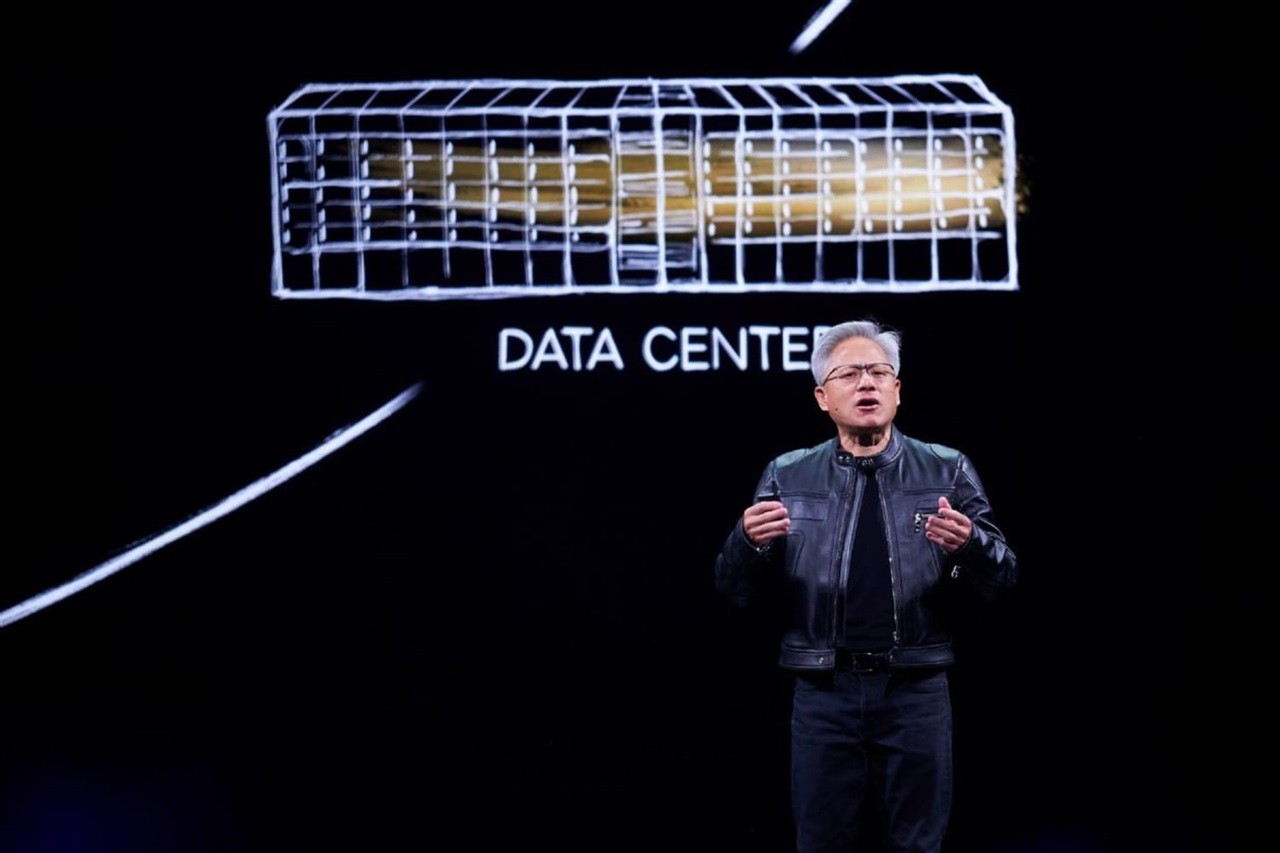
Taoyuan is positioning itself as a northern hub for AI data centers (AIDC), citing the Tatan area and an LNG c…
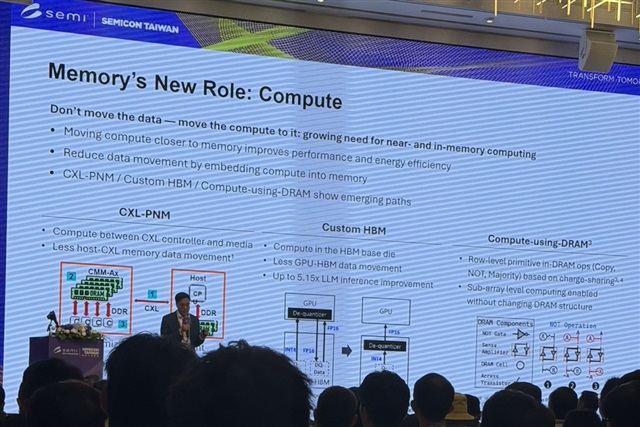
SK Hynix presented a custom HBM concept at SEMICON Taiwan 2026, where compute functions are placed in the base…
The U.S. Department of Defense announced on August 31 that it has deployed ChatGPT Mil, a customized version o…

Nvidia reported earnings that were both remarkable and boring, reflecting its focus on avoiding a consolidated…

Anthropic has agreed to a $35bn cloud-computing contract with Lambda, a Nvidia-backed cloud provider