What happened
More than 200 million people work flexibly in China's gig economy, but AI has made many of those jobs precarious. The number of ride-hailing drivers, truck drivers, and livestreamers is declining as growth in the sector cools.
Why it matters
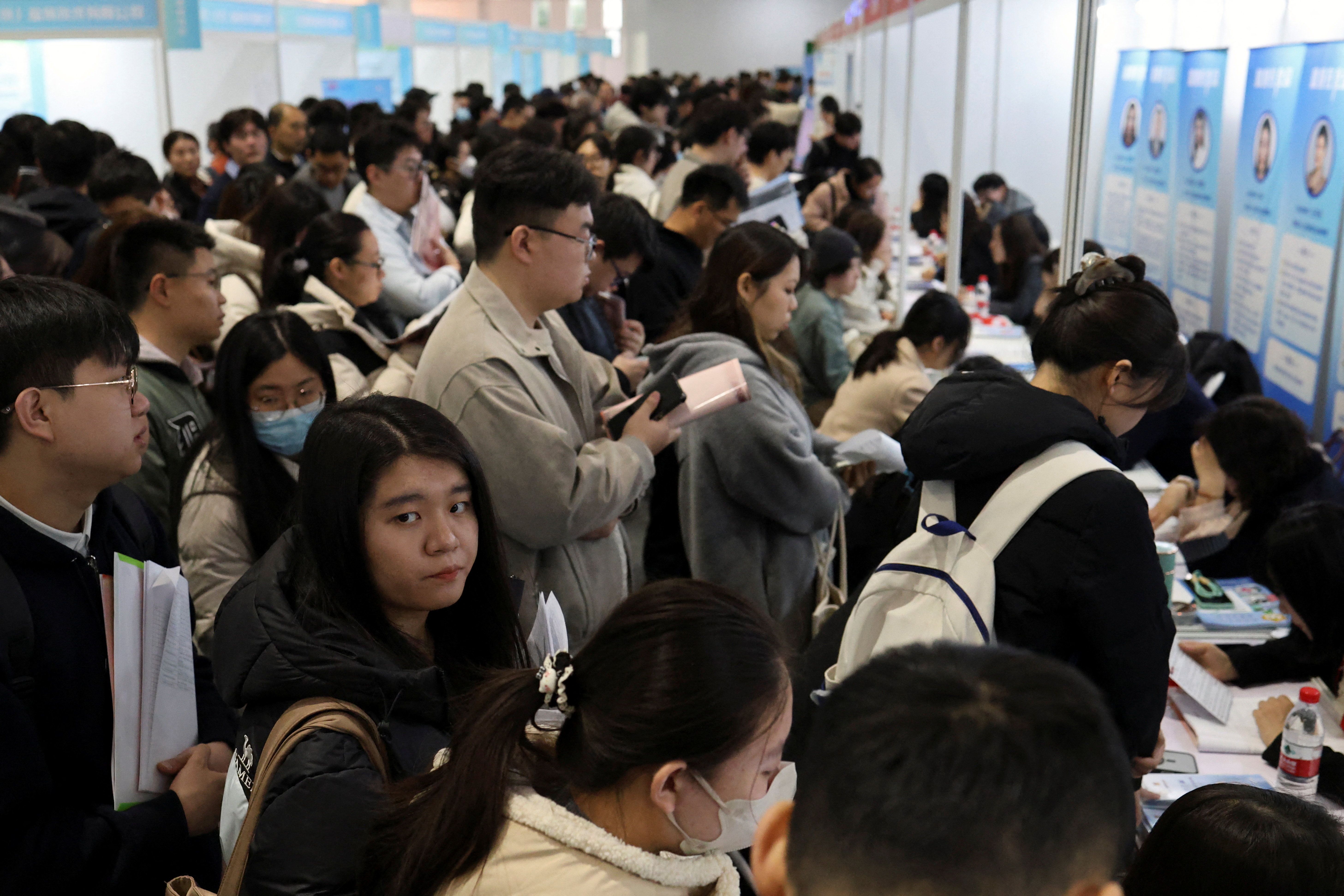
China's gig economy has historically absorbed millions of unemployed workers, but experts question whether it can continue to do so as AI displaces jobs. Beijing's 2026 growth target of 4.5–5% — the lowest in decades — combined with slowing gig economy growth, is widening divides in the blue-collar labor market and raising the risk of persistently high youth unemployment.
What to watch
An expert at Zhejiang University stated that "the employment situation is severe," signaling deepening concern about whether China's labor market can adapt to both AI disruption and slowing economic growth.
Summaries like this, in your inbox every morning.
Pick your industry and the AI tools you use, and get news related to your work every day.
Free · 30 seconds with Google · unsubscribe anytimeWhat is AIToday? →
Ask AI anything about this article. The AI reads this article, earlier AIToday articles, and Wikipedia, and cites its sources. Q&As are published on this page for other readers too.

