Semiconductor stocks have surged to a record 19.7% of the S&P 500, driven by artificial intelligence demand and $1 trillion(約160兆円) in exchange-traded fund inflows year-to-date through late June 2026.
While the concentration reflects strong fundamentals in chip manufacturing, multiple valuation indicators—including Bank of America's Bubble Risk Indicator at 0.91 and the S&P 500's price-to-sales ratio at 3.22—are signaling elevated risk.
The key question for investors is whether the billions being spent on AI infrastructure will ultimately justify current semiconductor valuations.
What happened
Semiconductor companies now account for a record 19.7% of the S&P 500, nearly quadrupling their roughly 5% weighting in June 2020. Nvidia has been the biggest contributor, but gains have broadened to include Broadcom, TSMC, ASML, AMD, Micron, and SanDisk. Exchange-traded funds attracted more than $1 trillion(約160兆円) in inflows year-to-date through late June 2026, approximately 45% above the record pace from the same period last year.
Why it matters
The concentration has become self-perpetuating—as semiconductor shares outperform, their weighting within the index rises, prompting passive investment funds to allocate even more capital to the same companies. However, several valuation indicators are signaling concern. Bank of America's Bubble Risk Indicator reached 0.91 for the semiconductor sector (where 1.0 represents extreme bubble-like conditions), and the S&P 500's price-to-sales ratio has climbed to 3.22, well above its long-term average of 1.84. The Buffett Indicator currently stands at 231.8%, suggesting the market is significantly overvalued.
What to watch
Not all market participants see this as a bubble—some argue semiconductor suppliers are well positioned compared with companies investing heavily in AI infrastructure. The debate over whether hyperscale AI spending will ultimately generate returns sufficient to justify current valuations has become a central investment question on Wall Street. July 1 is a potential near-term catalyst, with retirement contributions and systematic investment strategies expected to deploy fresh capital at the start of the new quarter.
Ask the AI about this article →
For example, today's edition would include:
AI-summarized, only the topics you pick — one digest a day via Email, Slack, or Discord.
Free · takes 30 seconds · unsubscribe anytimeWhat is AIToday? →
Ask AI anything about this article. Q&As are published on this page for other readers too.
CrowdStrike Holdings Inc
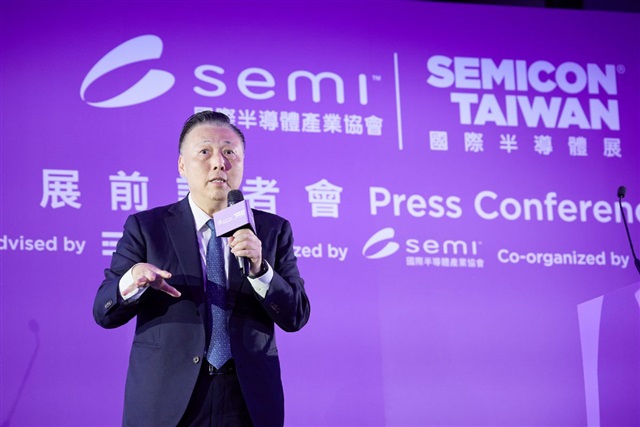
ASE Technology CEO and SEMI Global Board Executive Committee Chair Tien Wu said AI's early-stage growth is cre…
Fervo Energy signed a deal to supply 396 MW of electricity from its Cape Station project in Utah to a Google d…
Nvidia co-announced with Vertiv in August that it is making progress on 800-volt power infrastructure for its…
John Ternus takes over as CEO of Apple today, stepping into the role as the company confronts the AI era
Top AI-native open source projects like Flue and tldraw are refusing external pull requests, often because the…