
The traditional IPO path is being replaced by a private-market system where mega-funds, mutual funds, and sovereign capital are investing in companies like OpenAI, Anthropic, and SpaceX far beyond the point where they once would have gone public, with much of the value creation happening before public access.
Regulatory burdens—including Sarbanes-Oxley compliance costs, securities laws that reserve attractive private securities largely for institutions and wealthy individuals, and mass shareholder litigation—discourage companies from going public, allowing them to stay private longer and avoid disclosure and litigation exposure.
The public market has shrunk, with only about 3,100 companies in the index, compared to the Wilshire 5000 benchmark of an earlier era, meaning ordinary investors can no longer participate in the upside of major technology companies the way they could with Microsoft, Cisco, Intel, and Amazon.
The author proposes shareholder tort reform (including loser-pays rules), broader individual access to private companies through pooled vehicles, and creation of a U.S. sovereign wealth fund—a model already adopted by more than 90 countries including Norway, Saudi Arabia, the UAE, Malaysia, Nigeria, and Peru, and by U.S. states such as Texas, Alaska, and New Mexico.
Ask the AI about this article →
For example, today's edition would include:
AI-summarized, only the topics you pick — one digest a day via Email, Slack, or Discord.
Free · takes 30 seconds · unsubscribe anytimeWhat is AIToday? →
Ask AI anything about this article. Q&As are published on this page for other readers too.
Goldman Sachs, Morgan Stanley and Citigroup are pressing elite law firms to lower fees, arguing AI is sharply…

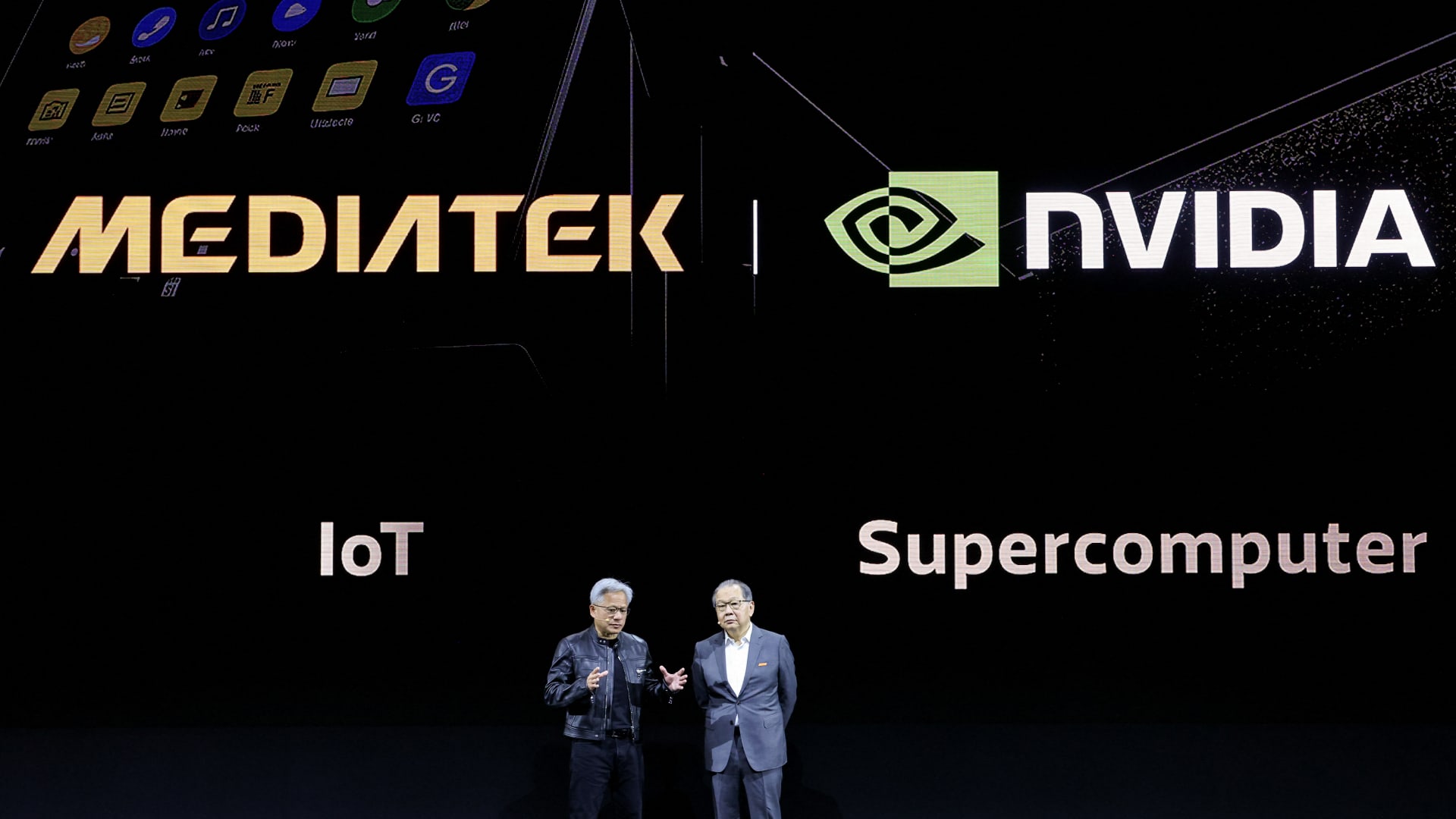
MediaTek shares closed 10% higher on Tuesday after the Taiwanese chip firm announced a partnership with Nvidia
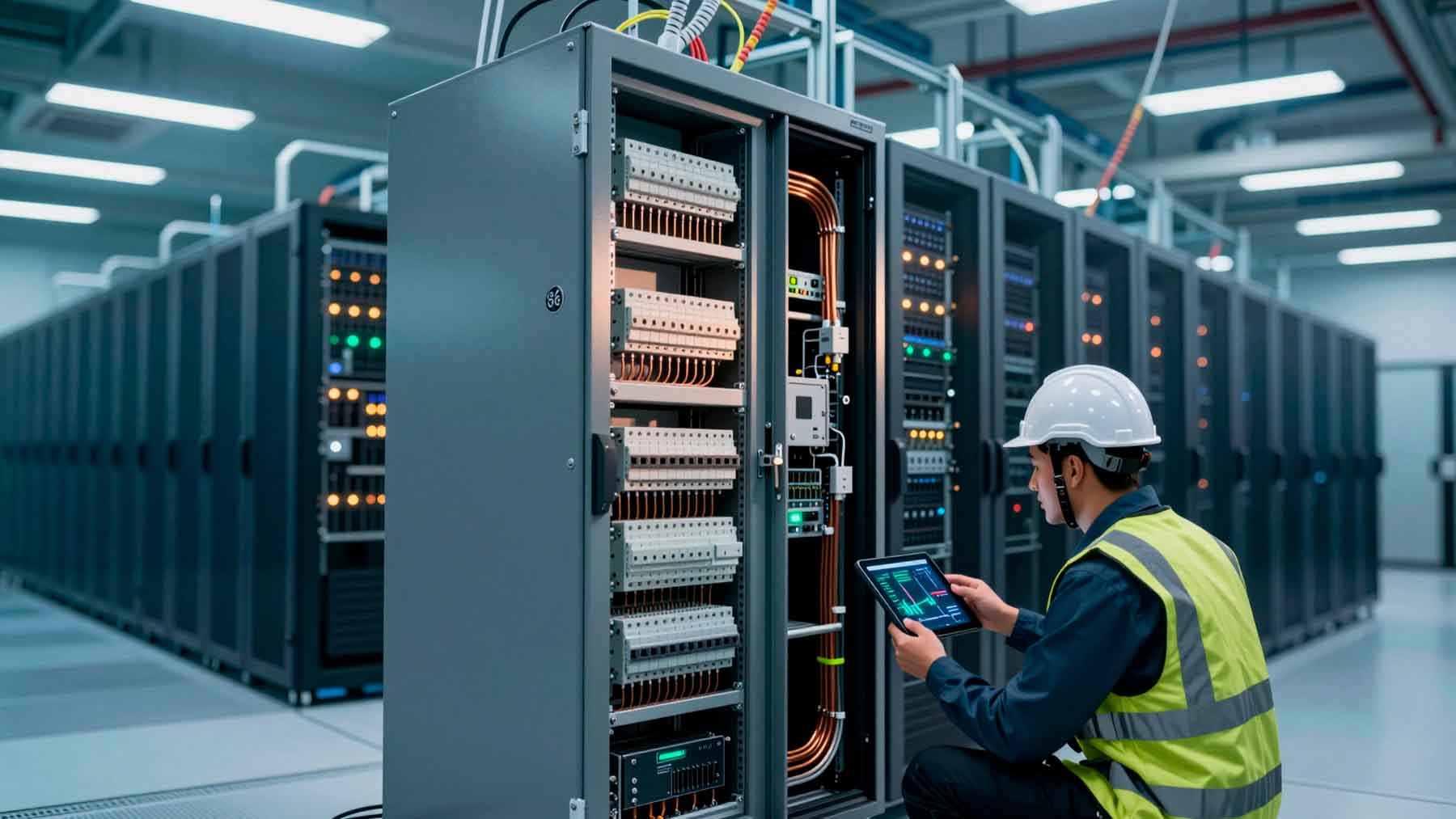
GE Vernova (NYSE: GEV) announced on August 24, 2026, in Paris, a new medium-voltage uninterruptible power supp…
Dell raised its annual revenue outlook, citing strong sales of AI servers

Oracle (ORCL) stock is down 4% to $142.82 in Tuesday afternoon trading, after the 10-year Treasury yield climb…
Dell has again lifted its forecasts, powered by AI demand that drove record results, according to Reuters

