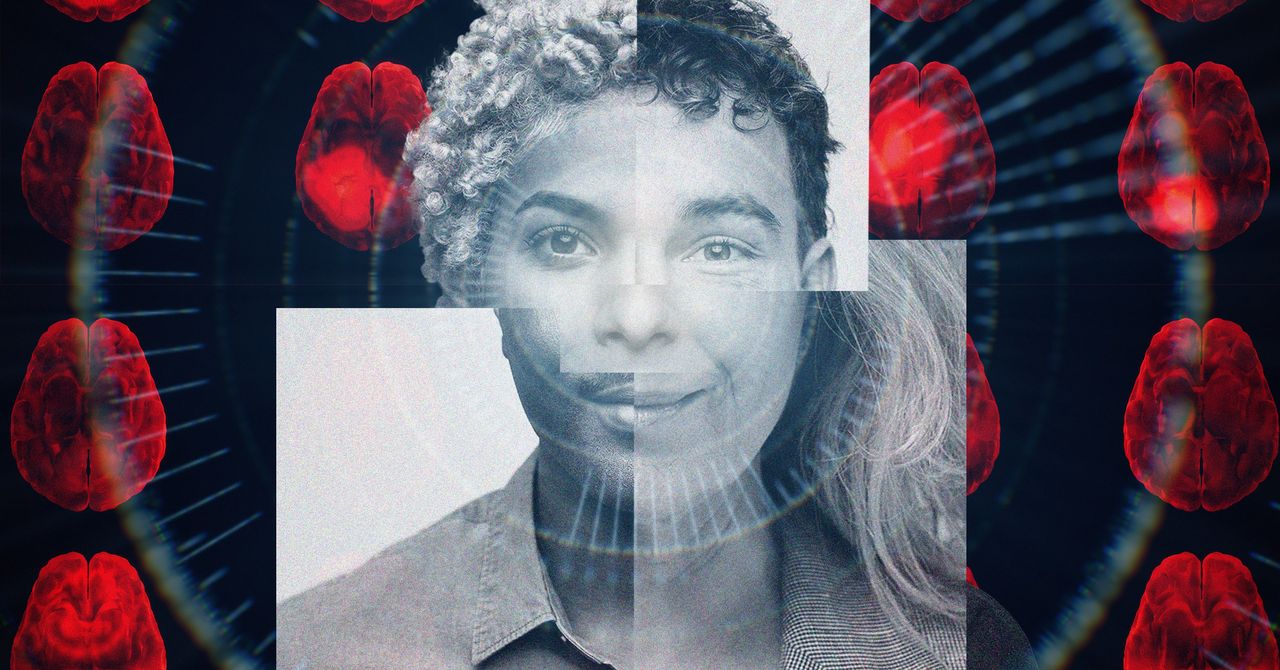
Gidi Littwin, who co-invented Apple's FaceID technology, has raised $52 million(約83億円) for his startup Hemispheric to diagnose brain disorders using AI models trained on brain electrical activity from 100,000 people. Rather than relying on subjective questionnaires, the AI infers brain function from EEG signals to help clinicians diagnose conditions like depression, Alzheimer's, and PTSD objectively. The company will seek FDA approval for a PTSD diagnostic tool early next year and aims to launch it publicly later in 2027.
Summaries like this, in your inbox every morning.
Sign up free →What happened
Hemispheric, founded by Gidi Littwin (co-inventor of Apple's FaceID and Vision Pro) and Hagai Lalazar, has raised $52 million(約83億円) in funding. The startup has trained deep learning models on a quarter of a million hours of brain data from 100,000 paid volunteers across Asia, Tel Aviv, and Boston to diagnose cognitive disorders like depression, Alzheimer's, Parkinson's, PTSD, and schizophrenia from electrical brain activity without invasive procedures.
Why it matters
Currently, doctors rely on subjective questionnaires and behavioral observations to diagnose these conditions because each person's brain activity looks different. Hemispheric's AI model infers brain function from EEG signals the way large language models understand text, enabling objective diagnosis. The team tested the model on people with PTSD, schizophrenia, and depression and reported accurate deductions about their brain health; they are now working on a clinical study for Alzheimer's diagnosis and prediction.
What to watch
Hemispheric will submit its first product—for PTSD diagnosis—to the FDA for approval early next year, with plans to roll it out to the public later in 2027. The device uses a lightweight EEG headset worn for around 15 minutes while a patient interacts with a tablet app. The team also plans to measure brain data from millions of people to improve the model and is developing its own brain scanners to gather data they believe will be more useful for machine learning than traditional EEGs.
Gidi Littwin, the co-inventor of Apple's FaceID and Vision Pro hand-tracking technology, left Apple in 2020 in search of a new challenge. He found it when Hagai Lalazar, who had begun developing artificial intelligence to study the brain without surgery, cold-messaged him on LinkedIn. Lalazar had already spoken to around 75 candidates before finding Littwin, who brought not only expertise in building machine-learning systems but also direct experience managing massive data collection operations. At Apple, Littwin had overseen the collection of "hundreds of thousands of subjects' worth of data" to train the deep learning models for FaceID and Vision Pro.
At Hemispheric, the two founders have now assembled what they call their "most prized possession": a quarter of a million hours of brain electrical activity data collected from 100,000 paid volunteers spread across Asia, Tel Aviv, and Boston. Subjects participated in activities designed to activate different regions of their brains while their electrical signals were recorded. This dataset trains what Littwin and Lalazar describe as a "frontier" artificial intelligence model—one that infers brain function from electrical activity in much the same way that large language models deduce meaning by statistically analyzing text.
Clinically, the breakthrough addresses a long-standing problem: because each individual's brain activity looks different, doctors have largely relied on subjective questionnaires and behavioral observations to diagnose depression, Alzheimer's, Parkinson's, PTSD, schizophrenia, and other cognitive disorders. Hemispheric's AI offers an objective alternative. When the team tested their generalized model on subsets of people diagnosed with PTSD, schizophrenia, and depression, the model made what they describe as "accurate deductions" about the individuals' brain health. They are now running a clinical study to test whether the model can diagnose and predict Alzheimer's.
The company's first commercial product will be designed to study PTSD. A patient will wear a lightweight EEG headset for around 15 minutes while interacting with an app on a tablet; Hemispheric's AI will then help clinicians decode the signals to make diagnoses, select the most effective treatment, and monitor progress. The team plans to submit this product to the FDA for approval early next year and hopes to roll it out to the public later in 2027. Lalazar envisions a future where "this is akin to a blood test"—the device will be "very, very cheap" and distributed throughout mental health clinics, hospitals, and psychologists' offices.
The $52 million(約83億円) funding round, led by American and Israeli venture capital firms and individual investors including early Uber-backer Howard Morgan, will support partnerships with governments, healthcare organizations, and pharmaceutical firms, as well as hiring in the US and regulatory approval efforts. Hemispheric also plans to measure brain data from millions more people to improve the model. Additionally, the team is developing its own brain scanners, believing that custom hardware built for machine learning will yield more useful data than traditional EEGs.
Hemispheric enters a health care AI landscape already seeing traction from established players. AI-assisted diagnostic tools for lung cancer are already in clinical use and speeding up access to treatment across Europe, and major AI companies like OpenAI and Anthropic are expanding into health care. Littwin's entry into this space is notable because he brings direct experience building data collection infrastructure at scale: at Apple, he told WIRED he oversaw "hundreds of thousands of subjects' worth of data" collection for FaceID and Vision Pro training. That expertise translated directly to Hemispheric's strategy—the founders assembled a quarter of a million hours of brain EEG data, which they describe as their "most prized possession," and are now planning to gather data from millions more people to refine their models.
The founding partnership itself reflects a deliberate problem-solving: Lalazar had already begun developing brain-analysis AI when he cold-messaged Littwin on LinkedIn after speaking with around 75 other candidates. Littwin brought the commercial and data-infrastructure acumen Lalazar needed. Their $52 million(約83億円) raise, backed by venture firms and individual investors including early Uber-backer Howard Morgan, will fund partnerships with governments, healthcare organizations, and pharmaceutical firms, as well as hiring in the US and the development of custom brain scanners. The team believes their own hardware will yield data more useful for deep learning than traditional EEGs, which Littwin notes "were never built for machine learning and definitely not deep learning."
No discussion yet for this article
Get curated AI news from 200+ sources delivered daily to your inbox. Free to use.
Get Started FreeFree · takes 30 seconds · unsubscribe anytime
1 minute a day. The AI essentials.
200+ sources · Email / LINE / Slack
