A survey of 186 large Japanese companies found that most are not cutting new graduate hiring in response to AI—68.8% said their hiring numbers will remain unchanged despite AI's advancement. Simultaneously, companies report persistent labor shortages, suggesting AI is not yet reducing the need for fresh talent. The data show that AI's impact on corporate workforce strategy is still in early stages: while many companies are discussing AI's implications, only a small fraction have revised their actual hiring or training programs.
Summaries like this, in your inbox every morning.
Sign up free →What happened
Recruit Works Institute surveyed 186 Japanese companies with 1,000+ employees (conducted February–March 2026) and found that 68.8% said AI's advancement will not change their new graduate hiring numbers. Only 7.5% said they would increase hiring, and 7.5% said they would decrease it.
Why it matters
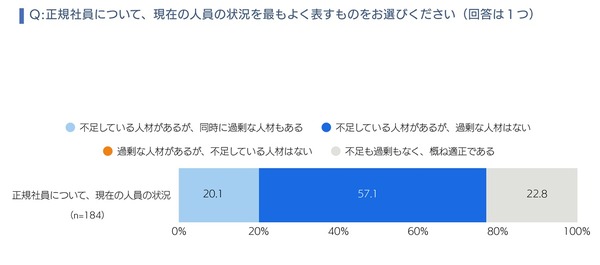
Despite rapid AI adoption, companies continue to report labor shortages—57.1% said they lack necessary personnel—suggesting that AI is not yet reducing headcount needs for large employers. However, 34.6% of companies plan to revise training programs after hiring, indicating AI is reshaping how new graduates are developed rather than whether they are hired.
What to watch
While 35.5% of companies said discussions about AI's impact on talent strategy have begun, only 6.5% have actually embedded those discussions into hiring and people strategy. This gap hints at a lag between awareness and action as companies still work through how AI fits their long-term workforce planning.
No comments yet. Be the first to share your thoughts!
Log in to join the discussion



Get curated AI news from 200+ sources delivered daily to your inbox. Free to use.
Get Started FreeFree · takes 30 seconds · unsubscribe anytime
1 minute a day. The AI essentials.
200+ sources · Email / LINE / Slack
