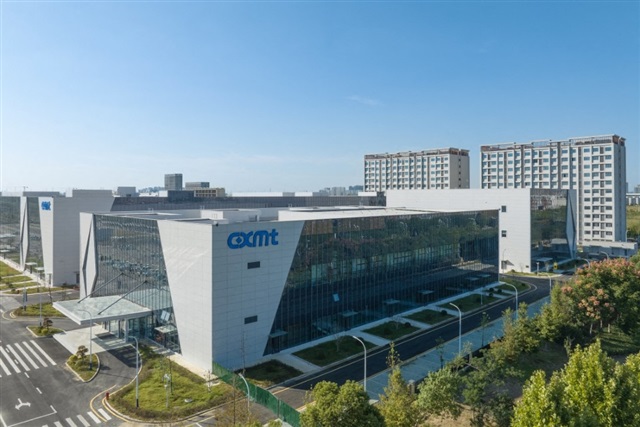
Chinese chipmaker CXMT is pursuing an IPO worth up to US$4.3 billion(約6900億円), China's largest chip-sector IPO of 2026, to expand production of DRAM and high-bandwidth memory (HBM) chips. The company aims to compete directly with global leaders Samsung Electronics, SK Hynix, and Micron Technology amid surging AI demand and intensifying US export controls on chip technology.
Summaries like this, in your inbox every morning.
Sign up free →What happened
CXMT, a Chinese chipmaker, is preparing an IPO seeking up to US$4.3 billion(約6900億円)—China's largest chip-sector IPO of 2026. The company plans to use the funds to expand DRAM and HBM (high-bandwidth memory) production capacity and deepen vertical integration.
Why it matters
CXMT is directly targeting Samsung Electronics, SK Hynix, and Micron Technology, the global leaders in memory chips. The move reflects rising demand for AI-capable memory and suggests China is attempting to break into a market historically dominated by these three giants, particularly as US trade restrictions tighten.
What to watch
The IPO size—up to US$4.3 billion(約6900億円)—marks a significant capital commitment to memory chip manufacturing in China. Success would signal investor confidence in CXMT's ability to compete on memory capacity and performance.
CXMT, a Chinese memory chip manufacturer, is preparing what will be China's largest chip-sector IPO of 2026, with the company seeking to raise up to US$4.3 billion(約6900億円). The funds will be deployed across three main strategic priorities: expanding production capacity for DRAM (dynamic random-access memory, the standard memory in computers and data centers) and HBM (high-bandwidth memory, a specialized type crucial for AI systems), deepening vertical integration to control more of its supply chain, and positioning itself to compete against the three companies that currently dominate global memory chip sales—Samsung Electronics, SK Hynix, and Micron Technology. The IPO is being launched against a backdrop of two structural forces reshaping the semiconductor industry: accelerating demand for memory chips driven by AI adoption, and tightening US restrictions on exports of advanced chip technology to China. CXMT's move signals that Chinese policymakers and investors believe there is both a market opportunity and a strategic imperative to build indigenous memory chip capacity, reducing reliance on foreign suppliers and establishing a credible alternative to Samsung, SK Hynix, and Micron in the years ahead.
CXMT's IPO announcement reflects a critical moment in the global semiconductor industry. The US$4.3 billion(約6900億円) fundraise is positioned as China's largest chip-sector IPO in 2026, signaling both government and private sector commitment to reducing dependence on foreign memory chip suppliers. The timing is significant: rising AI demand has made high-bandwidth memory a strategic asset, and tighter US export restrictions on chip technology have created both urgency and opportunity for Chinese competitors to establish indigenous capacity. By targeting both DRAM (the commodity backbone of computing) and HBM (the specialized, high-performance memory increasingly essential for AI inference and training), CXMT is adopting a two-pronged strategy to build scale and tackle the entrenched positions of Samsung, SK Hynix, and Micron. Vertical integration—consolidating supply-chain steps under one company—is a classic competitive move to reduce costs and improve margins, though the company's ability to match the manufacturing precision and yields of established players remains untested.
No discussion yet for this article
Get curated AI news from 200+ sources delivered daily to your inbox. Free to use.
Get Started FreeFree · takes 30 seconds · unsubscribe anytime
1 minute a day. The AI essentials.
200+ sources · Email / LINE / Slack
