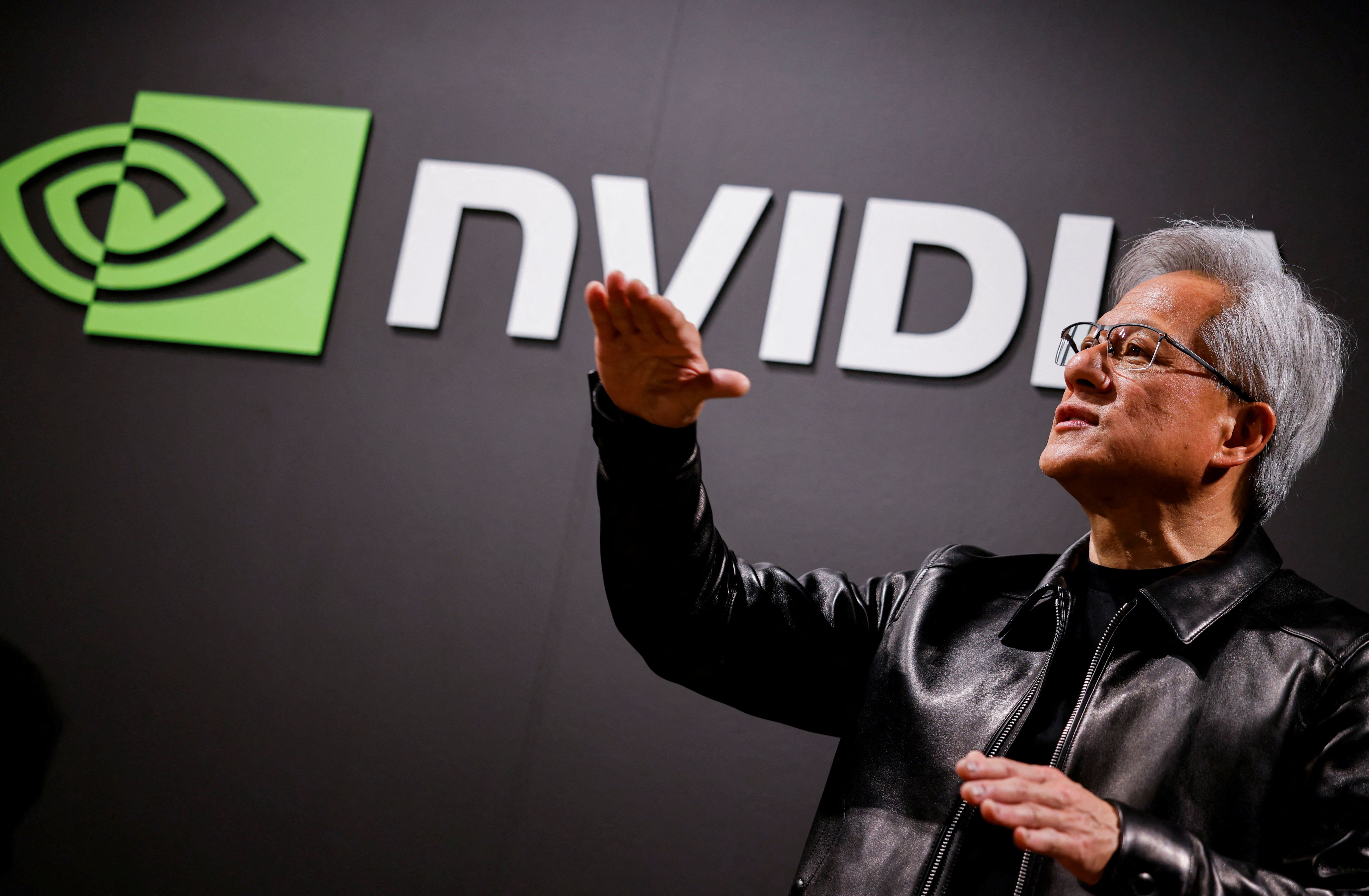
US stocks ended mixed Monday as oil prices fell nearly 6% on news of a US–Iran strike pause, but gains were offset by fresh anxieties about artificial intelligence spending. Nvidia deals exceeding $750 billion(約120兆円) and a report that a Chinese state firm would mass-produce advanced lithography machines—a technology currently controlled by Dutch chipmaker ASML—raised concerns that AI capital spending may be excessive or unsustainable. Earnings from Meta, Microsoft, and Amazon later this week could intensify volatility.
Summaries like this, in your inbox every morning.
Sign up free →What happened
US stocks were mixed Monday as oil prices fell nearly 6% following a US–Iran strike pause, but renewed concerns over AI spending and semiconductor weakness offset the relief. Nvidia deals exceeding $750 billion(約120兆円) and a report that a Chinese state firm plans to mass-produce advanced lithography machines (currently dominated by Dutch chipmaker ASML) weighed on investor sentiment.
Why it matters
The market is grappling with competing narratives—cheaper oil typically supports economic activity and corporate profits, but AI investors are now worried that massive spending on chips and computing infrastructure may be unsustainable or yield diminishing returns. ASML's plunge signals concern that competition in semiconductor manufacturing could undercut the industry's pricing power and margins.
What to watch
Earnings from Meta, Microsoft, and Amazon expected later this week could amplify market swings, as investors scrutinize whether these companies' AI investments justify the scale of recent capex commitments. A portfolio manager cited fears of the "air being let out" of the AI bubble.
US equity markets closed mixed on Monday as conflicting macro signals created uncertainty. Oil prices posted a significant decline of nearly 6% following news that the US and Iran had paused military strikes, an outcome that typically reduces geopolitical risk premiums and supports economic activity. However, this tailwind was swamped by renewed anxiety in the technology sector, particularly around artificial intelligence spending. Nvidia announced deals exceeding $750 billion(約120兆円), which market participants interpreted as further evidence that AI capital expenditure is reaching unsustainable levels—a concern reinforced by the broader vocabulary of "circular funding," suggesting that spending is self-perpetuating rather than driven by concrete demand. The semiconductor space came under additional pressure after The Information reported that a Chinese state firm would begin mass-producing advanced lithography machines. ASML, a Dutch chipmaker, has long controlled this critical technology segment, and the news of Chinese competition triggered a sharp selloff in ASML shares. The convergence of these concerns—massive AI capex commitments, questions about their justification, and the prospect of semiconductor supply-chain disruption—painted a picture of a sector potentially facing a correction. Earnings from Meta, Microsoft, and Amazon are scheduled for release later in the week, and investors are bracing for further volatility as companies report their capital spending plans and discuss the profitability of their AI initiatives. A portfolio manager captured the mood, citing fears that "the air [is] being let out" of the AI bubble—a metaphor for the possibility that investor enthusiasm for artificial intelligence has outpaced its commercial viability.
Monday's mixed market action reflects a tension between two competing pressures: falling oil prices normally signal lower input costs and energy relief for the broader economy, but this benefit was eclipsed by intensifying concerns about the sustainability of artificial intelligence spending. The Nvidia deals exceeding $750 billion(約120兆円) signal that capex commitments in the sector remain massive, prompting questions about whether such outlays can generate sufficient returns. Simultaneously, the report that a Chinese state firm plans to mass-produce advanced lithography machines represents a potential disruption to the semiconductor supply chain. ASML has long enjoyed a quasi-monopoly in advanced chipmaking equipment, and the prospect of Chinese competition threatens to erode both its margins and the pricing power that has benefited the entire semiconductor ecosystem. Together, these developments suggest investors are beginning to question whether the AI boom—and the capital spending that supports it—is becoming overextended relative to its near-term commercial payoff.
AI-summarized, only the topics you pick — one digest a day via Email, Slack, or Discord.
Free · takes 30 seconds · unsubscribe anytime
No discussion yet for this article
Get curated AI news from 200+ sources delivered daily to your inbox. Free to use.
Get Started FreeFree · takes 30 seconds · unsubscribe anytime
