Summaries like this, in your inbox every morning.
Sign up free →What happened
Hokusai's 'The Great Wave off Kanagawa' from his series 'Thirty-Six Views of Mount Fuji' was featured on Japan's redesigned ¥1,000 banknotes starting in July 2024. The print, known for its indigo and Prussian blue ocean imagery with Mount Fuji in the background, had already become one of Japan's most recognizable images, appearing on merchandise ranging from mugs and T-shirts to Godzilla mashup items.
Why it matters
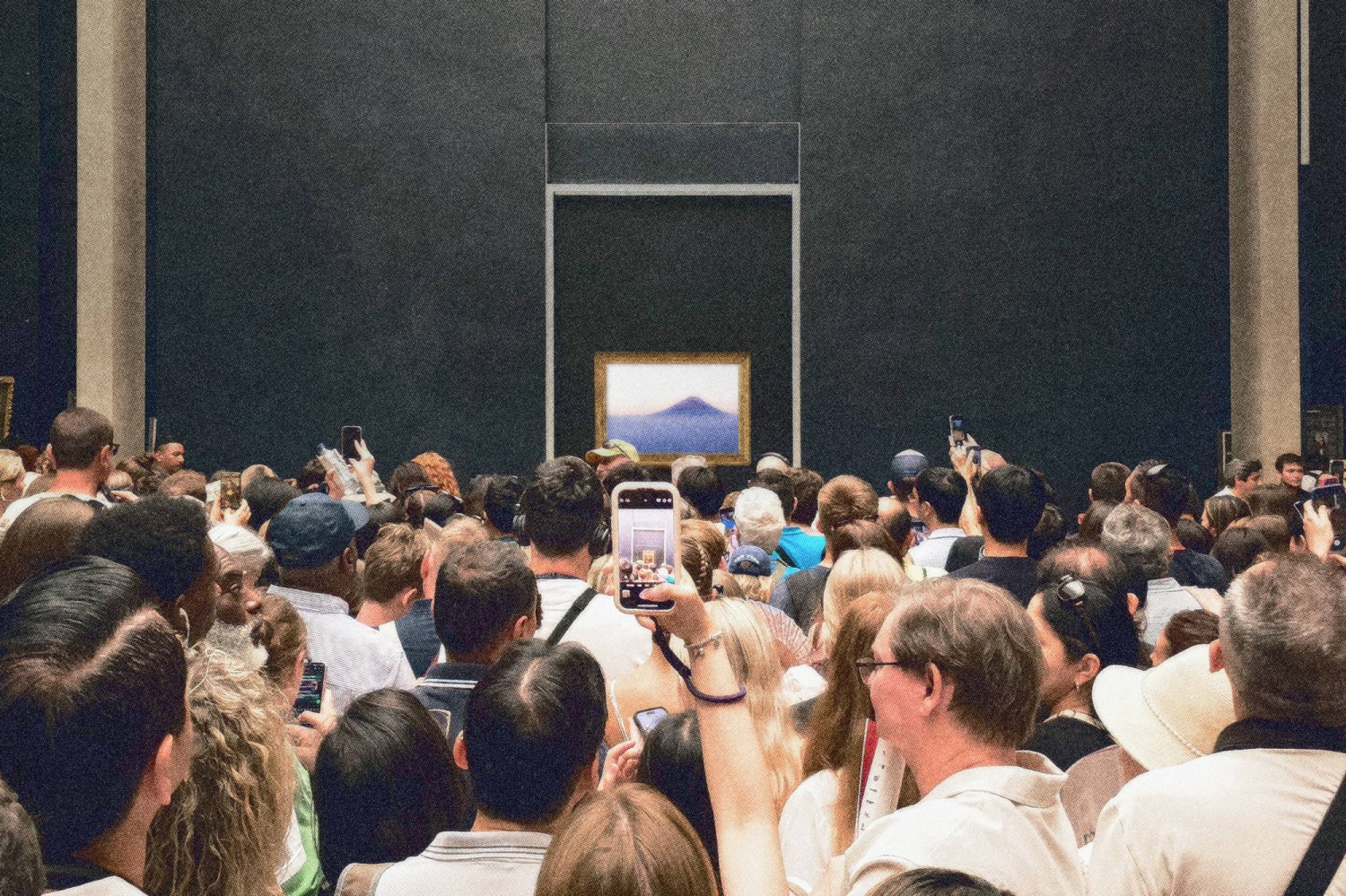
Unlike works such as the 'Mona Lisa'—which exists as a singular original—'The Great Wave' is a woodblock print created by multiple artisans (engraver, painter, and others working alongside Hokusai), making it reproducible and widely distributed. Its placement on currency underscores how Japan's most iconic artwork functions differently from how iconic art typically works in the West: it is not a rare, singular creation but a mass-produced image.
What to watch
The banknote placement marks yet another proliferation of the image's reach into everyday life. The question of what truly constitutes Japan's 'Mona Lisa'—a singular, revered masterpiece—remains unresolved, given that 'The Great Wave' operates as a reproducible, distributed design rather than a protected original.
No discussion yet for this article
Get curated AI news from 200+ sources delivered daily to your inbox. Free to use.
Get Started FreeFree · takes 30 seconds · unsubscribe anytime
5 minutes a day. The AI essentials.
200+ sources · Email / LINE / Slack
