
A benchmark found 38.6% of AI citations in reports were fabricated.
Rates doubled on thinly-covered topics.
Every model that produced reports fabricated at least one citation.
What happened
A benchmark tested 15 language models on two briefs requiring cited sources. Of 101 citations, 39 did not exist as written, a 38.6% fabrication rate.
Why it matters
On a thinly-covered topic, fabrication reached 54.2%, meaning most cited sources were invented. Models produce perfectly plausible-looking references that resolve to nothing.
What to watch
The study advises checking citations before reading the argument, especially on niche topics. Eleven machine-flagged failures were cleared by hand, correcting the rate from 49.5%.
Ask the AI about this article →
This benchmark uniquely combines machine resolution with hand verification, correcting its own tool's errors before publishing. The authors deliberately avoid ranking models, citing wide intervals from only two reports per model. The finding that fabrication doubles on thinner topics suggests a mechanism: models excel at citation format, not content. For readers, the practical takeaway is to verify references mechanically, as plausibility is not a reliable filter. The study's limits — nineteen reports, two topics, no browsing — mean the 38.6% figure is specific, not universal. However, the consistency across all models underscores the issue's breadth. The authors also note that retrieval-backed tools, which browse while writing, would likely produce different results, hinting at a future benchmark. This work positions existence as the floor of citation quality, not the ceiling, as resolving sources can still be misattributed or weak.
For example, today's edition would include:
AI-summarized, only the topics you pick — one digest a day via Email, Slack, or Discord.
Free · takes 30 seconds · unsubscribe anytimeWhat is AIToday? →
Ask AI anything about this article. Q&As are published on this page for other readers too.
AI is now helping solve longstanding math problems, including the so-called Jacobian conjecture, and top mathe…

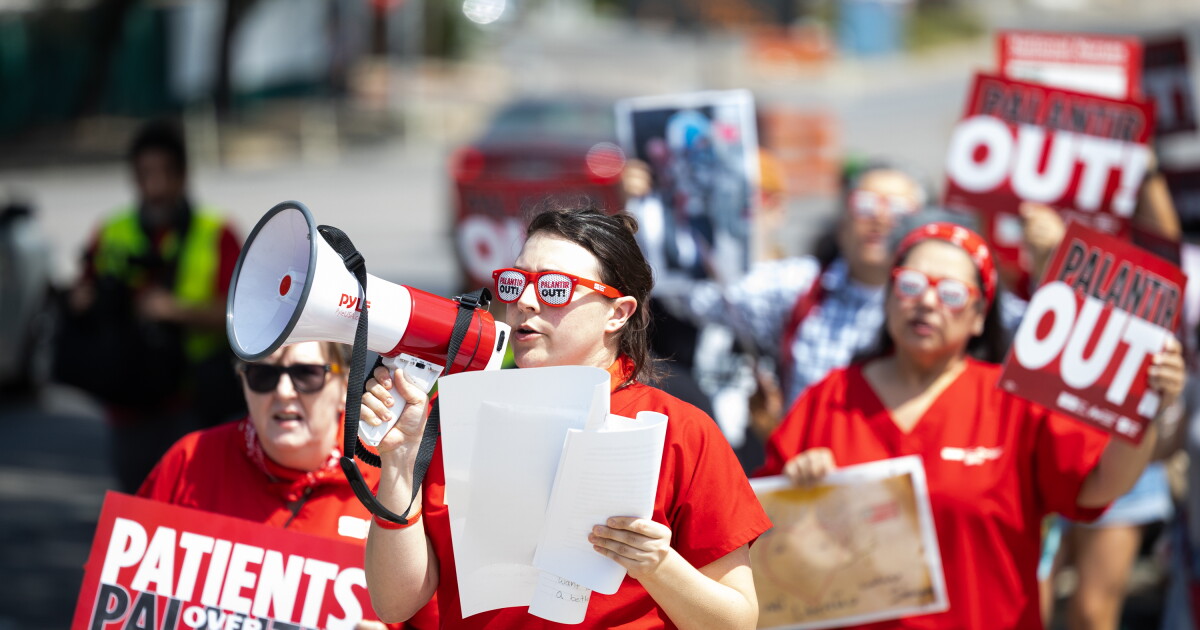
Dozens of protesters gathered Thursday outside 8VC, a venture capital firm in Austin, to protest Palantir's AI…
AMD introduced ROCm 10, the next version of its software stack for AMD Instinct GPUs, designed to streamline t…

ECRI, a nonprofit patient safety organization, is expanding its reporting system to include errors involving a…

Lam Research has started construction on an R&D center in Tualatin, Oregon, as part of a $3 billion, five-year…

Visa announced enhancements to its cybersecurity portfolio, including the next evolution of its open-source Vi…