What happened
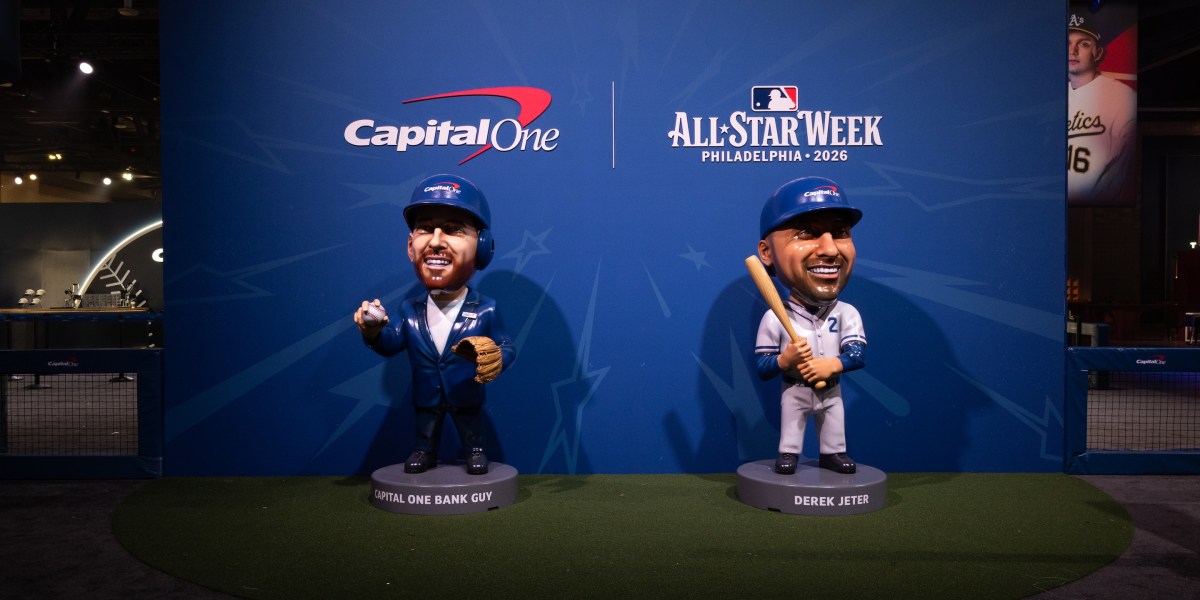
Capital One served as title sponsor of All-Star Village at MLB's All-Star Week in Philadelphia from July 11–14, drawing 111,616 attendees—the highest since 2022. The company committed roughly $125 million to a five-year MLB partnership that began in 2022, offering Capital One cardholders early access, complimentary admission, and exclusive experiences including meet-and-greets with former Phillies stars.
Why it matters
As credit cards become increasingly interchangeable, Capital One is betting that marquee sports partnerships and live experiences—not rewards alone—can deepen customer loyalty. Research shows the loyalty-rewards market is on pace to nearly double to $44.73 billion by 2029, and competitors like Amex are also racing to build perks beyond financial products. Capital One's approach signals a shift: financial institutions now compete on engagement and exclusive access rather than product features alone.
What to watch
Capital One is also the presenting sponsor of the World Series and has featured ads with Derek Jeter as part of an integrated marketing plan throughout the season. This marks the company's fifth All-Star activation and fourth as All-Star Village title sponsor.
Ask the AI about this article →
Summaries like this, in your inbox every morning.
Capital One's MLB partnership reflects a fundamental shift in how financial institutions compete for customer loyalty. As credit cards have become commoditized—products are largely interchangeable—issuers have turned to experiential marketing and exclusive access to differentiate themselves. The loyalty-rewards market's projected growth to $44.73 billion by 2029 indicates that financial companies see customer engagement as a premium market where experience-driven loyalty commands higher margins than rewards alone.
The All-Star Village activation exemplifies this strategy: rather than advertising a rewards multiplier, Capital One created a 500,000-square-foot immersive experience with player tributes, youth activities, and exclusive cardmember perks. The meet-and-greet with former Phillies stars and early access for cardholders are designed to make the brand feel personal—something a points-per-dollar claim cannot achieve. The deployment of branded electric Moke vehicles to spotlight Philadelphia small businesses further demonstrates Capital One's intent to connect with cardholders' values (supporting local entrepreneurs) rather than just their spending habits.
MLB's role in this evolution is equally strategic. The league has moved beyond passive sponsorships into collaborative fan experiences where the brand amplifies MLB's own story—not simply tells its own. This alignment benefits both parties: Capital One gains authentic connection with millions of baseball fans and entrepreneurs, while MLB extends its reach into financial services partnerships that enhance the fan experience. Competitors like Amex are following the same playbook, signaling that experience-based loyalty has become table stakes in the credit card industry.
For example, today's edition would include:
AI-summarized, only the topics you pick — one digest a day via Email, Slack, or Discord.
Free · 30 seconds with Google · unsubscribe anytimeWhat is AIToday? →
Ask AI anything about this article. Q&As are published on this page for other readers too.

