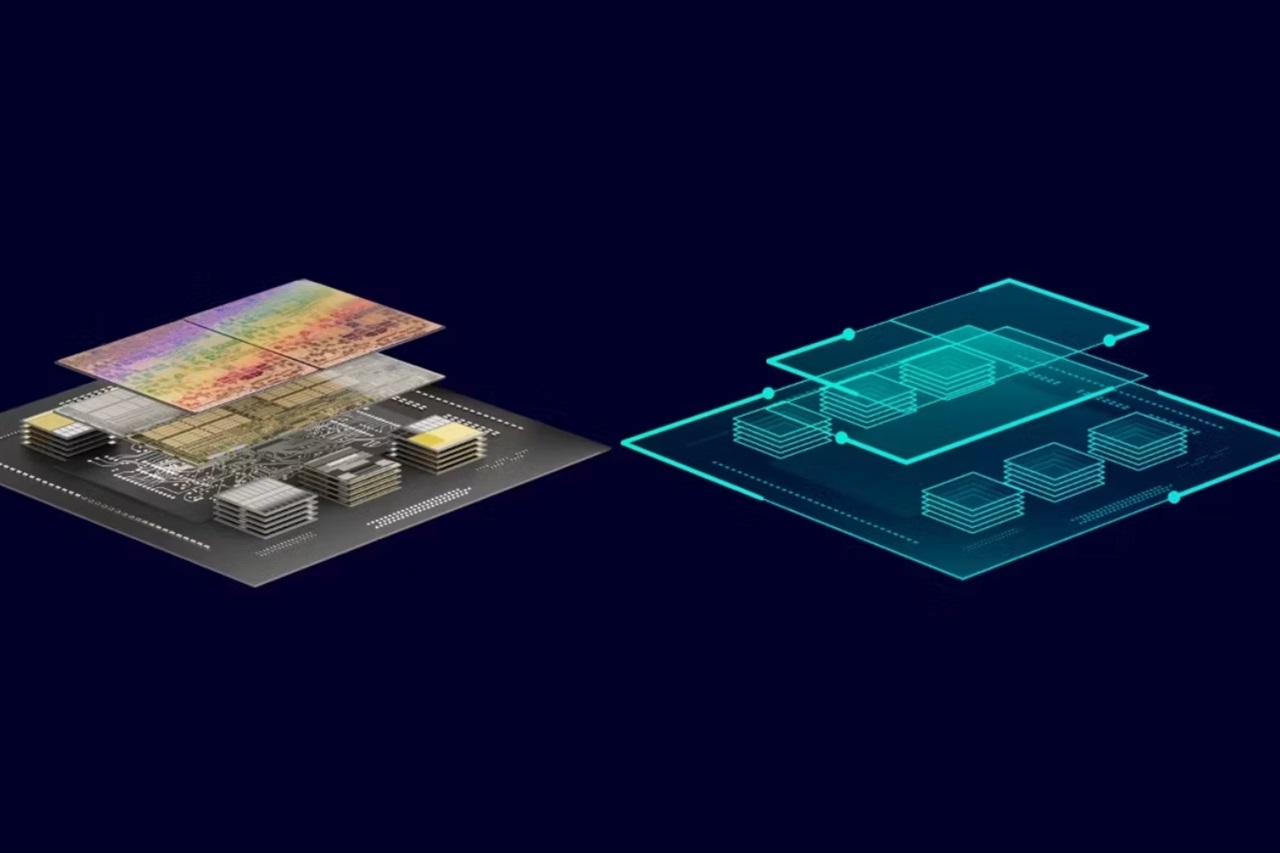
Siemens is acquiring Precision Innovations to strengthen its electronic design automation business with AI-powered chip planning technology. The move could reshape how semiconductor teams globally approach system-on-chip design, planning, and testing—a significant expansion of Siemens' design software footprint.
Summaries like this, in your inbox every morning.
Sign up free →What happened
Siemens agreed to acquire Precision Innovations to add AI-powered chip planning tools to its electronic design automation business.
Why it matters
The acquisition could change how semiconductor teams worldwide plan, test, and refine system-on-chip designs, broadening Siemens' capabilities in a competitive market for design software.
What to watch
Deal terms and timing have not been disclosed; the impact on semiconductor design workflows will depend on how Siemens integrates Precision Innovations' tools into its existing platform.
Siemens announced an agreement to acquire Precision Innovations, a developer of AI-powered chip planning tools. The acquisition will add these tools to Siemens' electronic design automation (EDA) business, which serves semiconductor design teams globally. EDA software is used to plan, test, and refine system-on-chip (SoC) designs—complex integrated circuits that combine multiple functional blocks. By integrating Precision Innovations' AI-powered planning capabilities, Siemens aims to enhance its suite of design tools and improve how teams approach the planning and refinement stages of chip development. The company indicated that the acquisition could affect semiconductor design workflows worldwide, though specific financial terms, timeline, and integration roadmap details were not disclosed in the announcement.
Siemens' acquisition of Precision Innovations represents a strategic move to deepen its position in electronic design automation (EDA)—the software layer that underpins semiconductor design globally. By acquiring Precision Innovations' AI-powered planning tools, Siemens is directly addressing the need for smarter, faster chip design processes. The deal signals confidence that AI can meaningfully improve how engineers plan and validate complex system-on-chip architectures, a critical bottleneck in semiconductor development. For teams worldwide, this integration could streamline workflows that have traditionally required manual iteration and domain expertise.
AI-summarized, only the topics you pick — one digest a day via Email, Slack, or Discord.
Free · takes 30 seconds · unsubscribe anytime
No discussion yet for this article
Get curated AI news from 200+ sources delivered daily to your inbox. Free to use.
Get Started FreeFree · takes 30 seconds · unsubscribe anytime
1 minute a day. The AI essentials.
200+ sources · Email / LINE / Slack
