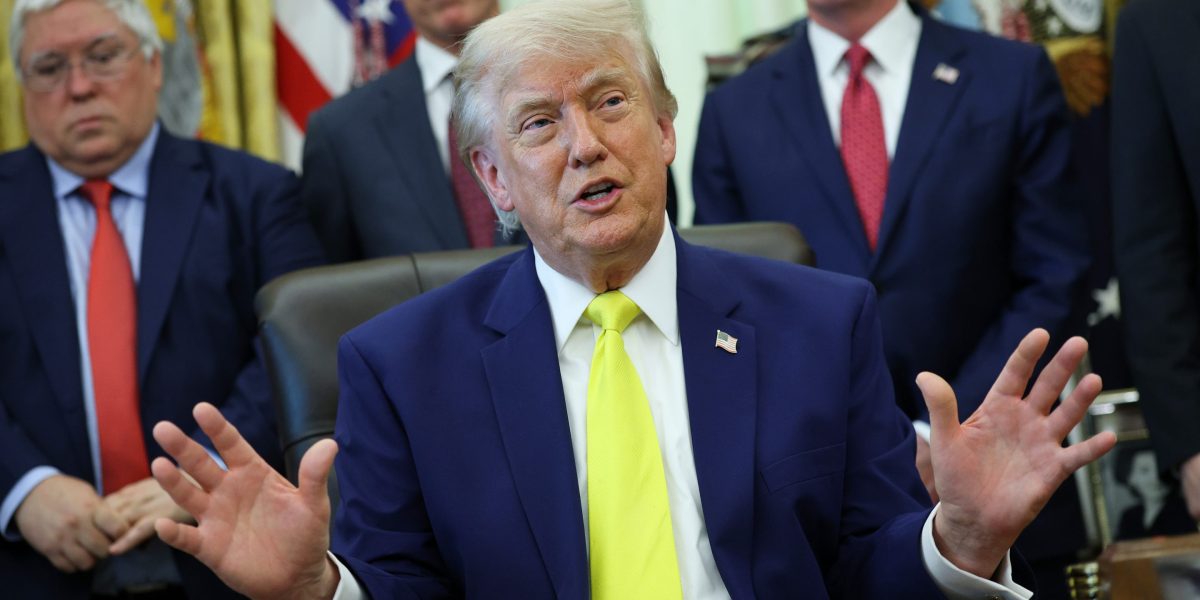
On June 2, Trump said the U.S. government may take direct equity stakes in AI giants like OpenAI, Anthropic, and xAI, calling it 'a beautiful thing.' The same day, Trump issued an executive order asking AI companies to voluntarily submit advanced models to a 30-day government review before public release.
Sanders introduced the American AI Sovereign Wealth Fund Act, which would impose a one-time 50% equity tax on the stock of the largest AI firms—payable in shares, not cash—channeling proceeds into a public fund that grants ordinary Americans voting rights, corporate board representation, and financial dividends.
OpenAI's internal documents project $44 billion in losses between 2023 and 2029, with a $14 billion loss projected for 2026 alone. Elon Musk's xAI lost $6.4 billion from operations on $3.2 billion in revenue in 2025. Tech layoffs in 2026 have already surpassed 142,000, with several companies citing AI investment as the reason.
Summaries like this, in your inbox every morning.
Pick your industry and the AI tools you use, and get news related to your work every day.
Free · 30 seconds with Google · unsubscribe anytimeWhat is AIToday? →
Ask AI anything about this article. The AI reads this article, earlier AIToday articles, and Wikipedia, and cites its sources. Q&As are published on this page for other readers too.

