BlackBerry has transformed itself into a physical AI player, with its QNX software powering autonomous vehicles, robots, and industrial systems.
The stock's 180% year-to-date surge reflects real business momentum: the company posted 26% revenue growth and positive cash flow in its latest quarter, and partnerships with Nvidia position it to capture a growing share of the robotics and autonomous systems market.
The humanoid robot market alone is expected to reach $165 billion(約26兆円) by 2034, potentially making BlackBerry a significant wealth creator for long-term investors.
What happened
BlackBerry has shifted from smartphones to physical AI—software that helps robots, autonomous vehicles, and drones interact safely with the world. The stock surged 180% year-to-date through July 13. In fiscal Q1 2027 (ended May 31, 2026), the company reported 26% year-over-year revenue growth and achieved its first positive operating cash flow quarter in nine years, excluding a 2024 patent sale.
Why it matters
BlackBerry's QNX operating system powers over 275 million vehicles already on the road and is now integrated with Nvidia's AI hardware (IGX Thor and Halos Safety Stack) for robotics, medical, and industrial systems. The humanoid robot market alone is projected to reach $165 billion(約26兆円) by 2034 at a 50% compound annual growth rate, offering substantial long-term revenue potential for companies positioned in physical AI.
What to watch
BlackBerry's QNX backlog more than doubled from $460 million(約740億円) (fiscal 2022) to $940 million(約1500億円) (end of fiscal 2026). The company guides for $607.5 million(約970億円) in fiscal 2027 revenue overall—with roughly half from QNX—representing 10.6% year-over-year growth if achieved, a marked acceleration from fiscal 2026's 3% growth.
Ask the AI about this article →
BlackBerry's reinvention into physical AI is grounded in tangible business results, not speculative hype. The company's QNX software is already embedded in 275 million vehicles and generating measurable revenue growth—26% year-over-year in its most recent quarter. What distinguishes this from the 2021 meme rally is that BlackBerry now has specific partnerships driving adoption: Nvidia's integration of QNX into its robotics and industrial AI hardware (IGX Thor and Halos Safety Stack) positions the company directly in the path of the emerging physical AI ecosystem.
The backlog data underscores this momentum. BlackBerry's QNX backlog more than doubled from $460 million(約740億円) in fiscal 2022 to $940 million(約1500億円) by the end of fiscal 2026, signaling strong future revenue visibility. QNX revenue growth itself accelerated from 20% year-over-year in Q4 fiscal 2026 to 26% in Q1 fiscal 2027. This acceleration, combined with the company achieving its first positive operating cash flow quarter in nine years (excluding a one-time patent sale), suggests BlackBerry is transitioning from a turnaround story into a growth narrative.
The humanoid robot market presents the largest upside. If that market reaches $165 billion(約26兆円) by 2034 at a 50% compound annual growth rate, physical AI players with embedded software control—like BlackBerry—stand to capture disproportionate value. The company's fiscal 2027 revenue guidance of $607.5 million(約970億円) implies it is well-positioned to scale rapidly if that market materializes as expected.
For example, today's edition would include:
AI-summarized, only the topics you pick — one digest a day via Email, Slack, or Discord.
Free · takes 30 seconds · unsubscribe anytimeWhat is AIToday? →
Ask AI anything about this article. Q&As are published on this page for other readers too.
Visko raised $10 million in pre-seed funding from Llama Ventures and opened public access to its first foundat…

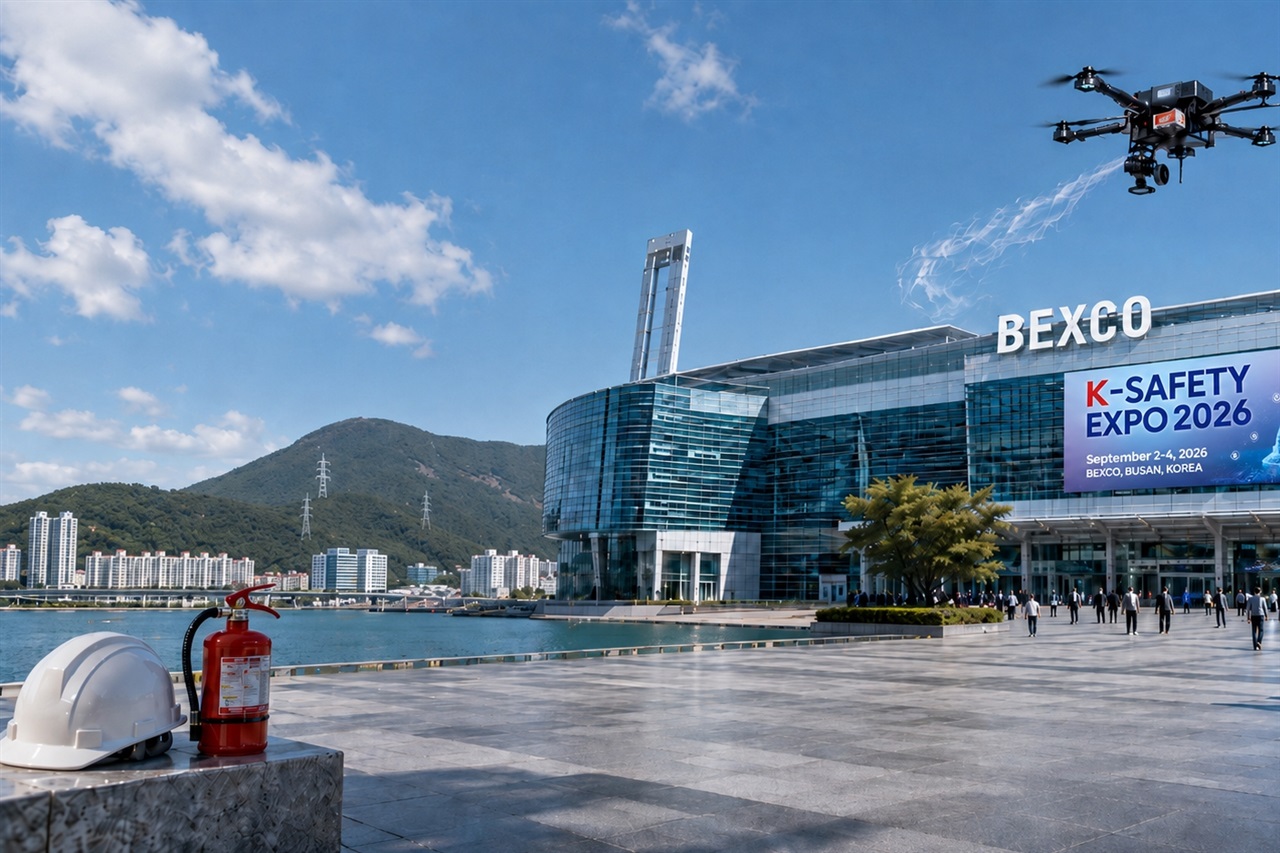
K-Safety Expo 2026 will be held at BEXCO in Busan from September 2–4, featuring AI, robots, sensors, and conne…
U.S. markets ended August higher, with the S&P 500 up 2.6% and the Nasdaq up 3.9%

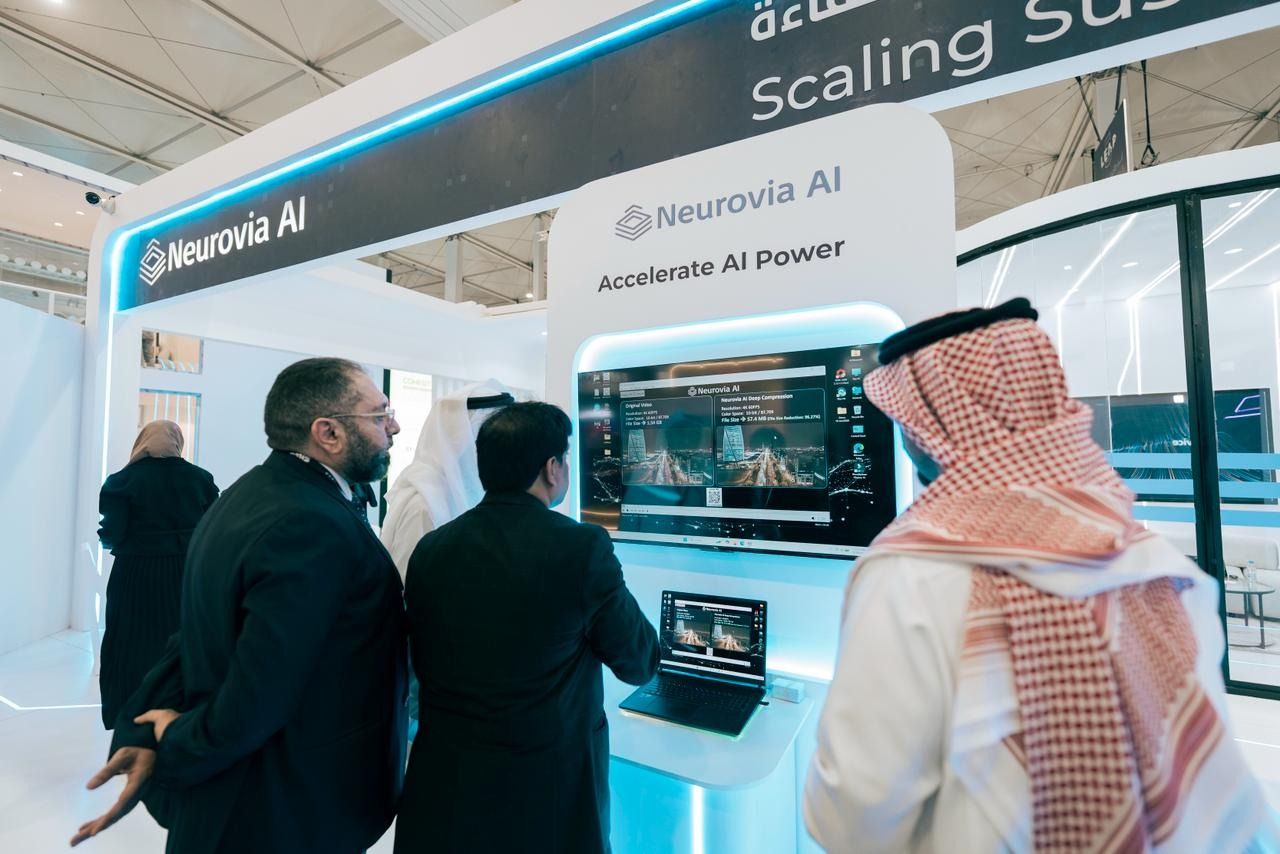
Neurovia AI, an Abu Dhabi-based company, is pitching Saudi security agencies software that it says can compres…
AI company Runway has unveiled Solaris, the first model in a new category it calls "Interface World Models." I…

John Deere introduced JD, a conversational AI tool that lets farmers ask open-ended questions about their hist…