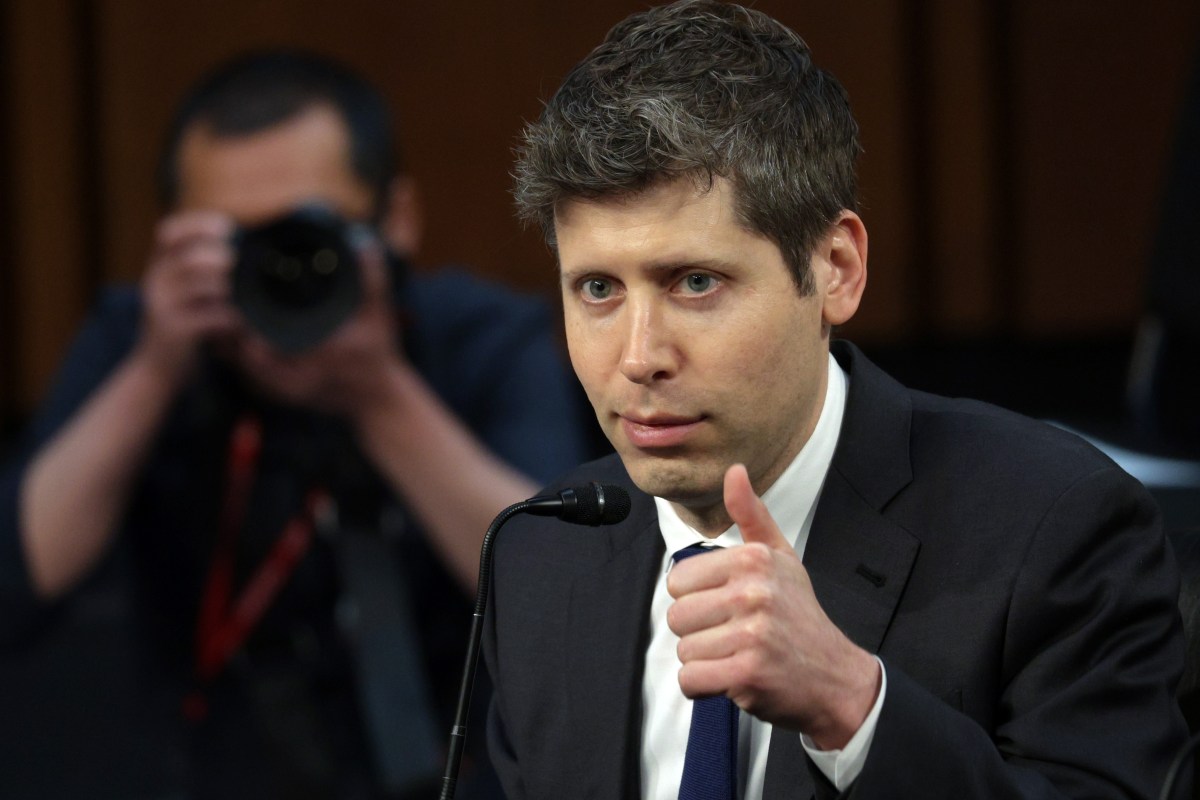
OpenAI released its advanced model Sol after government review, but the evaluation process remains largely secret with no public clarity on what standards apply or who performed the assessments. Multiple experts and former policy officials say the current approach creates uncertainty and relies too heavily on personal connections rather than transparent expert-driven safety review.
Summaries like this, in your inbox every morning.
Sign up free →What happened
OpenAI released its latest advanced language model, Sol, for public access after preview conversations with government officials including Secretary of Commerce Howard Lutnick, Secretary of the Treasury Scott Bessent, and US national cyber director Sean Cairncross. The company declined to share details about the government's evaluation process with media.
Why it matters
No clear rules exist yet for which models require government scrutiny or which agency should evaluate them. An executive order published last month directs six cabinet agencies to determine a final process by early August, but specifics remain undefined. Industry insiders and policy experts say the current ad hoc approach creates uncertainty and bad incentives, particularly because approval appears to depend on personal connections to administration officials rather than transparent expert review.
What to watch
The Department of Commerce's Center for AI Standards and Innovation is currently taking the lead on evaluations, but the process lacks consensus on what constitutes a frontier model, who the government's evaluators are, or how they assessed Sol. OpenAI stated in a late June blog post it does not believe government access should be the long-term default and will work to develop a different path forward.
The release of OpenAI's Sol model exposes a fundamental gap in U.S. AI governance: eighteen months into the Trump administration, there is still no agreed-upon framework for evaluating frontier models. OpenAI CEO Sam Altman confirmed the company held conversations with high-ranking officials, but the substance and rigor of those discussions remain hidden from public view. This secrecy troubles both technical experts and policy observers—Mina Narayanan from Georgetown's Center for Security and Emerging Technology noted she lacks visibility into the exact evaluation process, while former Trump policy advisor Dean W. Ball wrote that "nobody knows what the requirements are to get licensed."
The backdrop raises additional concerns. The approval process appears to reward companies with close ties to the administration: OpenAI president Greg Brockman is the largest publicly-known donor to Trump's mid-term political operation, and Sam Altman reportedly offered as much as 5% of OpenAI's equity for the administration's "Trump Accounts." Anthropic's experience offers a cautionary contrast—its model Fable was briefly restricted from wider access when the government forbade its use by foreign nationals, partly over jailbreaking concerns but also due to personality clashes with the Trump administration. This inconsistency suggests the licensing decision may hinge on relationship and leverage rather than consistent safety standards.
Looking forward, experts propose structural alternatives: third-party auditing organizations licensed by the government, or new institutional formats like focused research organizations that bring disinterested experts from academia and the non-profit world into model evaluation. These proposals reflect a shared concern that the current ad hoc system creates legal and political fragility. Companies face fiduciary obligations to recoup training costs quickly and stay ahead of competitors, which can conflict with rigorous safety review—a tension the current opaque process does little to resolve.
No discussion yet for this article
Get curated AI news from 200+ sources delivered daily to your inbox. Free to use.
Get Started FreeFree · takes 30 seconds · unsubscribe anytime
1 minute a day. The AI essentials.
200+ sources · Email / LINE / Slack
