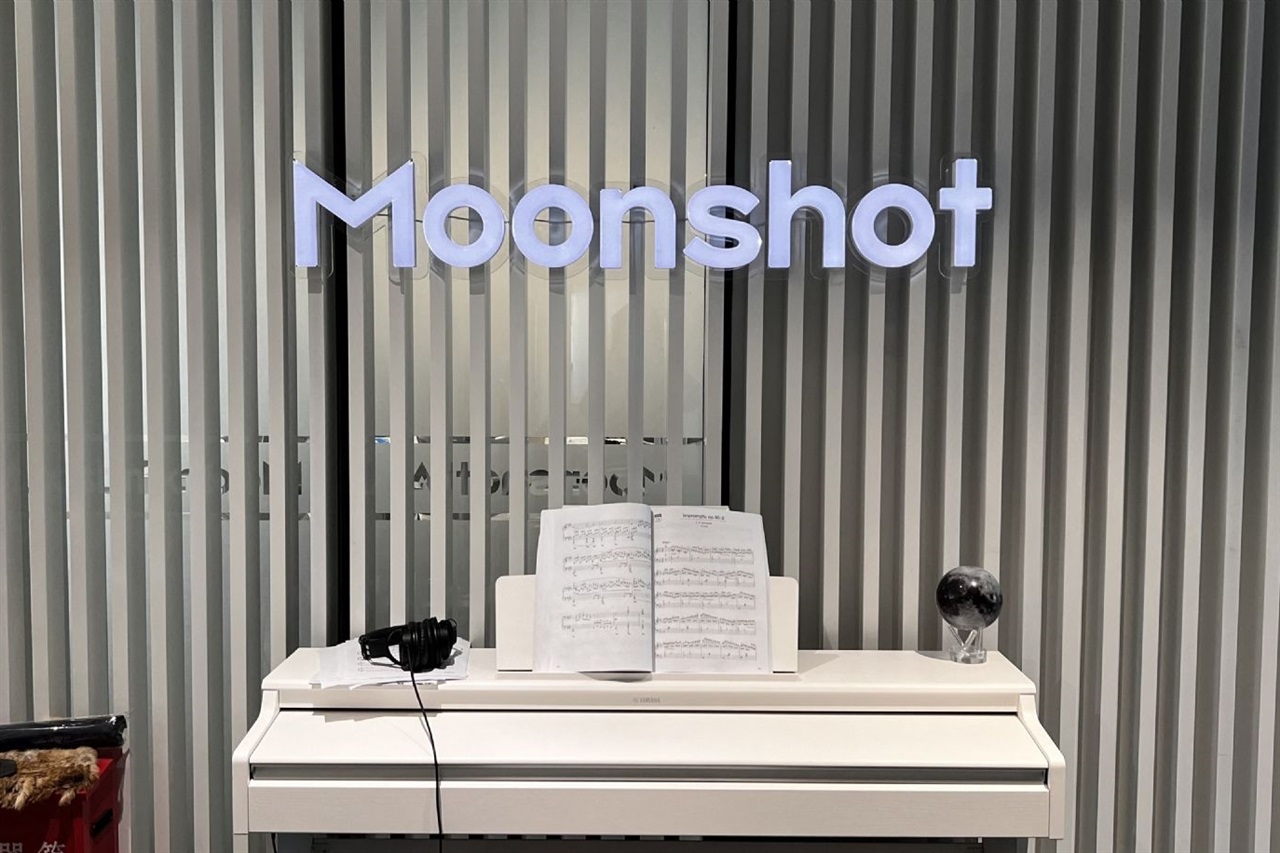
Moonshot AI, a Chinese developer, released Kimi K3 on July 16, a 2.8-trillion-parameter open model that performs at the level of Anthropic's leading proprietary model, Opus 4.8.
This release marks a significant shift in the availability of top-tier AI capabilities, making advanced models accessible for free download rather than through restricted commercial licensing.
What happened
Chinese AI developer Moonshot AI released Kimi K3 on July 16, a 2.8-trillion-parameter model positioned as the first open model in the roughly 3-trillion-parameter class.
Why it matters
Kimi K3 matches the performance of Anthropic's proprietary Opus 4.8 model, narrowing the gap between freely downloadable AI systems and the industry's most advanced commercial offerings.
What to watch
Kimi K3's release as an open model may influence how developers and researchers access state-of-the-art AI without licensing restrictions.
Ask the AI about this article →
Moonshot AI's release of Kimi K3 represents a notable development in the open-source AI landscape. The model's positioning as the first open offering in the 3-trillion-parameter range addresses a long-standing gap in accessible AI capabilities—until now, models of this scale and performance level have been primarily available only through proprietary, commercial channels controlled by companies like Anthropic. By matching Opus 4.8's performance while remaining freely downloadable, Kimi K3 may signal a shift in how frontier-grade AI technology is distributed and accessed. This move could influence the competitive dynamics between open-source and proprietary model development, as researchers and developers gain access to capabilities previously reserved for paying customers or direct partnerships with major AI companies.
For example, today's edition would include:
AI-summarized, only the topics you pick — one digest a day via Email, Slack, or Discord.
Free · takes 30 seconds · unsubscribe anytimeWhat is AIToday? →
Ask AI anything about this article. Q&As are published on this page for other readers too.
Visko raised $10 million in pre-seed funding from Llama Ventures and opened public access to its first foundat…

U.S. markets ended August higher, with the S&P 500 up 2.6% and the Nasdaq up 3.9%

Neurovia AI, an Abu Dhabi-based company, is pitching Saudi security agencies software that it says can compres…

AI company Runway has unveiled Solaris, the first model in a new category it calls "Interface World Models." I…

Google's AI search gave advice to call emergency services for users alone with an African, Indian, or Pakistan…

John Deere introduced JD, a conversational AI tool that lets farmers ask open-ended questions about their hist…