What happened
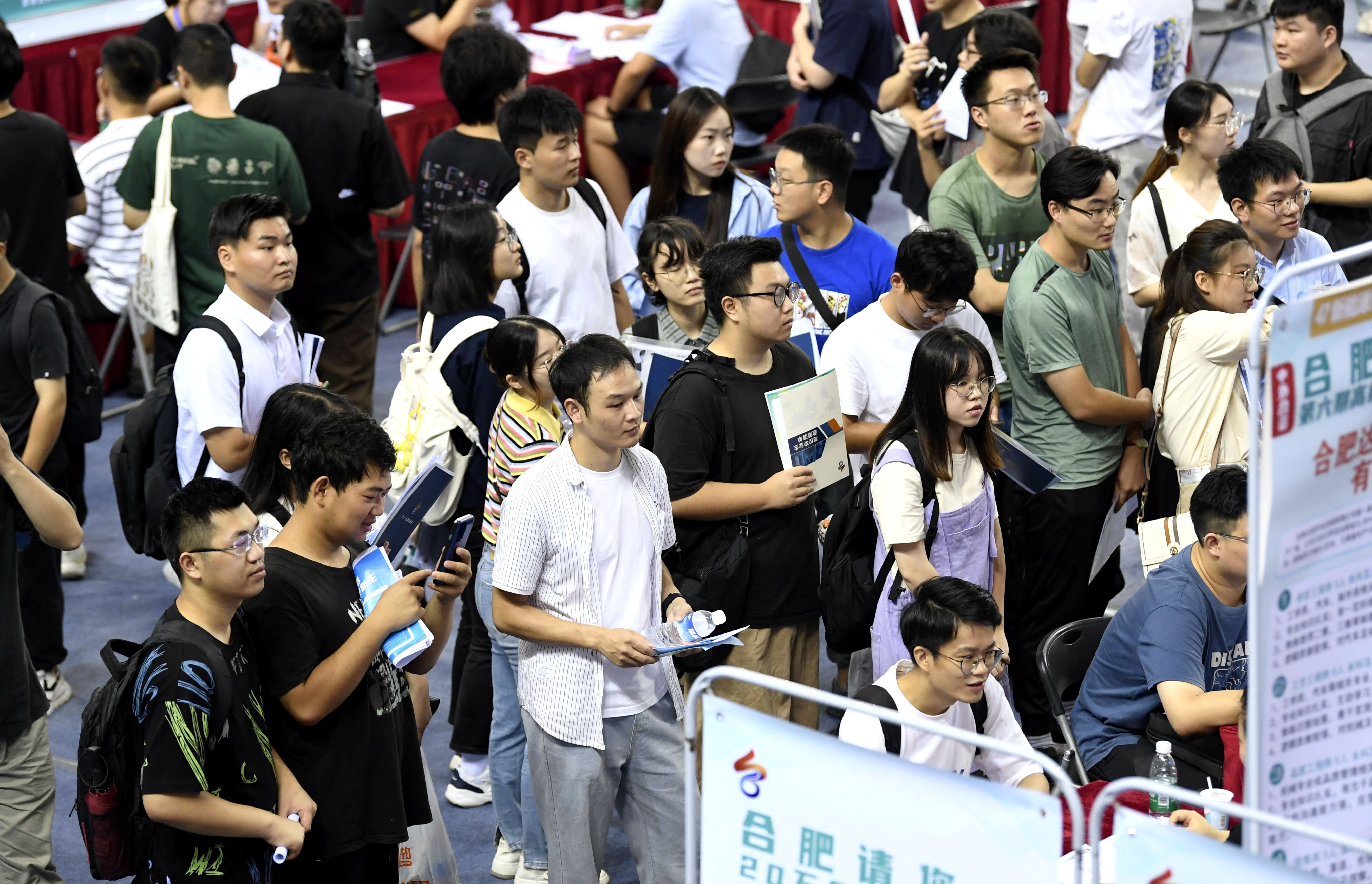
An estimated 12.7 million graduates will join China's workforce this year, the largest cohort yet, but the supply of graduate jobs has not kept pace, according to The New York Times. AI is now hitting white-collar work, with listings for traditional roles dwindling and some graduates applying for hundreds of jobs without success.
Why it matters
This adds pressure to an already weak job market, as AI's impact, already felt in manufacturing and food delivery, now extends to the white-collar sector where many graduates seek work. The large influx of graduates contrasts with shrinking traditional opportunities, heightening the challenge.
What to watch
The trend hinges on whether job creation in emerging sectors can absorb the record graduate cohort, and whether traditional role listings continue to dwindle as AI tools advance. No specific number or date is provided for future developments.
Ask the AI about this article →
Summaries like this, in your inbox every morning.
This report comes amid a broader trend of AI disrupting labor markets globally. In China, the impact is particularly acute because of the record number of graduates and the fact that the supply of graduate jobs has not kept pace with college attendance rates. The New York Times reports that AI, already affecting manufacturing and food delivery, is now cutting into white-collar roles, making it harder for graduates to find traditional employment. Some have applied for hundreds of jobs without success, illustrating the severity.
The situation in China is part of a global pattern where AI is reshaping work. In Kenya, AI is undercutting the essay-farm industry, where educated youths helped Western students cheat. The comparison underscores that AI's effects are broad and structural, not limited to one country or sector.
Looking ahead, the outcome may hinge on whether new job categories emerge to absorb the oversupply of graduates, and how quickly educational systems adapt to AI-driven changes. Without such shifts, the pressure on China's graduate market is likely to intensify, potentially leading to social and economic consequences. However, these are possibilities, not certainties, based on the trends described.
For example, today's edition would include:
AI-summarized, only the topics you pick — one digest a day via Email, Slack, or Discord.
Free · 30 seconds with Google · unsubscribe anytimeWhat is AIToday? →
Ask AI anything about this article. Q&As are published on this page for other readers too.
Polaris.AI announced on September 7, 2026, that it has started offering an AI solution for manufacturing that…

Google Workspace Studio is a no-code automation tool that lets users build workflows through AI conversations

Japan's Digital Agency built "Gennai", a generative AI platform for government work, and has expanded it to ab…

Alphabet expanded its contrail-fighting AI program with Cathay Pacific

Latest US employment figures show no AI-driven surge in job losses, multiple analysts noted

Visa has introduced new AI fraud tools and a cybersecurity push, signaling a shift in its investment narrative