What happened
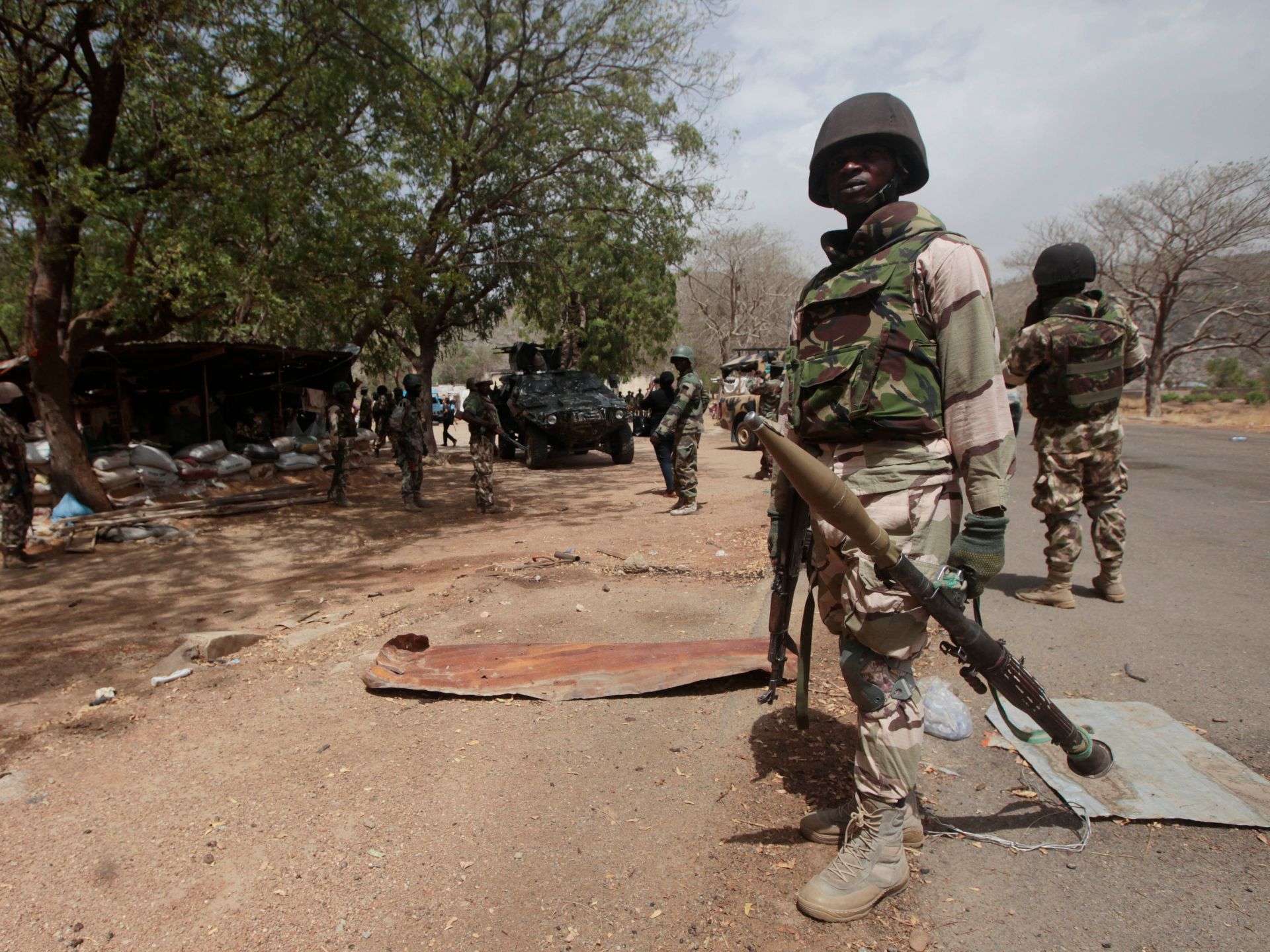
Cambridge researchers interviewed 27 former members of Boko Haram's two factions, ISWAP and JAS, who described routine use of ChatGPT, Claude, Gemini, Grok, Meta AI and DeepSeek for bomb-making and combat advice.
Why it matters
Fighters kept laptops beside them while assembling explosive devices and used chatbots to tailor answers to the materials they had, giving them something closer to a technical expert available 24 hours a day.
What to watch
The Cambridge interviews largely describe AI use during 2023 and 2024, and the study's author believes the findings are more concerning given how rapidly the technology has advanced since then.
WHO IT HITSPlatform safety and trust-and-safety teams at OpenAI, Anthropic, Google, xAI, Meta and DeepSeek face pressure to catch bomb-making requests that the study says are already reaching their models. Policy teams weighing AI regulation may also point to the findings.
Summaries like this, in your inbox every morning.
The Cambridge study is the first detailed account of how an armed group has folded AI chatbots into everyday operations rather than treating them as a one-off curiosity. Former fighters described dedicated AI units — one JAS unit of 23 people worked from a solar-powered room — and trainers who used projectors and laptops to teach senior members how to query chatbots and get around their safeguards. Bomb-makers kept laptops beside them during assembly and returned to the chatbot each time they hit a problem.
The interviews largely cover 2023 and 2024. The study's author believes the findings are more concerning because the technology has advanced rapidly since then, and says the industry needs heavier regulation. Lucas Webber of Tech Against Terrorism, whose researchers gained access to a pro-ISIL technical forum, described the activity there as "the tip of the iceberg." One supporter compared bypassing safeguards to removing a car's speed limiter.
The policy backdrop is a split between Anthropic chief executive Dario Amodei, who has urged AI companies to slow development of their most advanced models and called for independent evaluations and common safety standards, and the Trump administration, which argues US AI companies must be free to innovate without "cumbersome regulation." That leaves the companies themselves deciding where their systems draw the line — and the test, it seems, is whether safeguard blocklists catch requests that are as unambiguous as a bomb recipe, given the study's finding that the fighters were circumventing restrictions already in place.
For example, today's edition would include:
AI-summarized, only the topics you pick — one digest a day via Email, Slack, or Discord.
Free · 30 seconds with Google · unsubscribe anytimeWhat is AIToday? →
Ask AI anything about this article. Q&As are published on this page for other readers too.
Epoch AI and Ipsos surveys found the share of US adults using AI on at least six of seven days rose from 8 per…

AAA AI launched a multi-agent system connecting local runtimes like Ollama or cloud APIs under one orchestrati…

Meta's AI assistant Muse was downloaded over 900,000 times in its first week, according to Sensor Tower, but a…

Cybersecurity experts told The Verge they worry more about generative AI in the hands of bad actors than rogue…

TypeSafe AI released Jev on September 15, its first model after roughly two years of development; founder Diog…
On September 18, 2026, four paid subscribers filed Buist et al