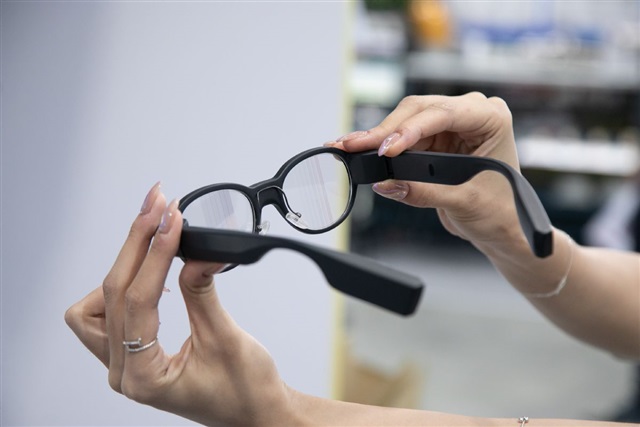
The smart glasses market is entering a decisive phase in the second half of 2026, with competition broadening beyond Meta's initial lead. Industry focus is moving away from raw hardware specifications toward AI capabilities and platform ecosystems, signaling that software and services—not silicon—will define the next wave of winners in wearable devices.
Summaries like this, in your inbox every morning.
Sign up free →What happened
The global smart glasses market is entering a decisive new stage in the second half of 2026, with competition expanding beyond Meta's early dominance and industry attention shifting from hardware specifications to AI capabilities and ecosystem strength.
Why it matters
As smart glasses become mainstream consumer devices, the winners will be determined by how well they integrate with AI services and platforms—not just processing power or display quality. This shift reshapes the competitive landscape and what matters for vendors building smart eyewear.
What to watch
The second half of 2026 will be critical; how Meta, Apple, and other entrants differentiate their AI ecosystems and ecosystem partnerships will determine market leadership in this emerging category.
The global smart glasses market is undergoing a significant transformation in the second half of 2026, marking a transition from hardware-centric competition to ecosystem-driven differentiation. For years, Meta dominated the smart glasses category through early-mover advantage and consumer-facing devices, but the competitive landscape is now broadening as the industry recognizes that success depends on factors beyond traditional hardware specifications. Industry observers are redirecting their focus toward AI capabilities and the strength of each vendor's ecosystem—a shift that signals a maturation in how smart glasses are evaluated and adopted. Rather than competing primarily on processor speed, resolution, or battery life, companies are now racing to build comprehensive AI services and integrations that make their smart glasses indispensable to users. This evolution mirrors earlier patterns in smartphones and tablets, where ecosystem lock-in and software differentiation ultimately drove market outcomes more than raw hardware performance. For Meta and new entrants alike, the second half of 2026 represents a critical moment: those that can deliver seamless AI experiences, broad platform compatibility, and compelling applications stand to capture share, while pure hardware leadership will matter less.
The smart glasses market has historically been defined by hardware pioneers like Meta, who led with early consumer-grade devices. However, the industry dynamics are fundamentally changing in the second half of 2026. The body indicates that competition is no longer confined to hardware innovation or Meta's dominance; instead, the market is expanding as competitors recognize that consumer adoption depends on AI capabilities and integrated platforms. This shift reflects a broader industry pattern: as hardware commoditizes, ecosystem strength and software differentiation become the deciding factors. For vendors, this means investing in AI services, platform partnerships, and end-to-end integration matters more than chasing incremental improvements in processing power or display technology.
AI-summarized, only the topics you pick — one digest a day via Email, Slack, or Discord.
Free · takes 30 seconds · unsubscribe anytime
No discussion yet for this article
Get curated AI news from 200+ sources delivered daily to your inbox. Free to use.
Get Started FreeFree · takes 30 seconds · unsubscribe anytime
1 minute a day. The AI essentials.
200+ sources · Email / LINE / Slack
