AIToday

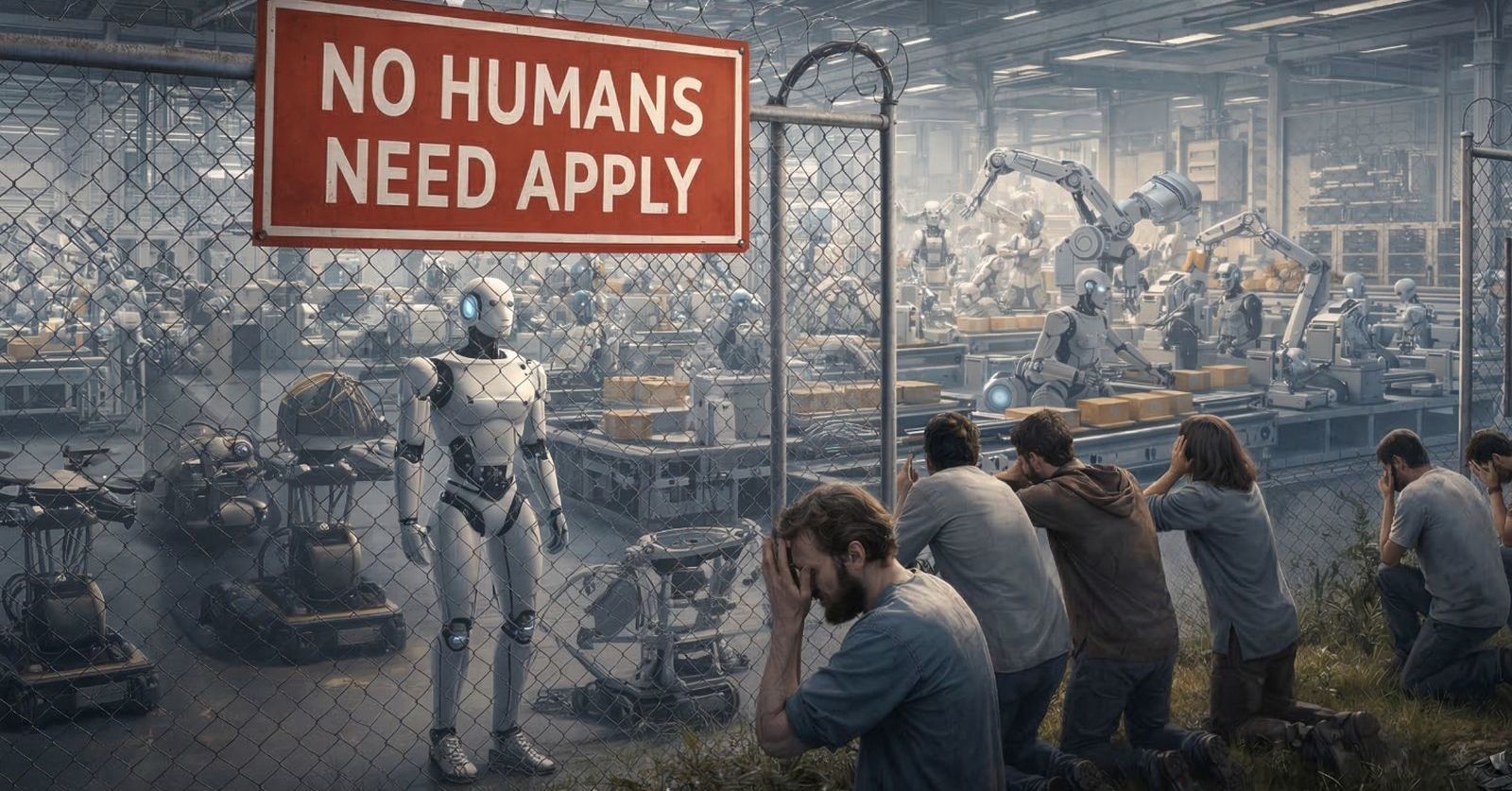
Unlike past automation, AI threatens to eliminate the mental work that allowed displaced workers to transition to new jobs, potentially closing the economic escape route that has historically cushioned technological disruption.

LessWrong AIMar 26, 20261 min read
Unlike past automation, AI threatens to eliminate the mental work that allowed displaced workers to transition to new jobs, potentially closing the economic escape route that has historically cushioned technological disruption.

Summaries like this, in your inbox every morning.

Sign up free →

3 Key Points

  1. AI systems can be copied at near-zero cost, deployed instantly, and improved faster than workers can retrain, making them fundamentally different from previous automation technologies

  2. Historical machines replaced specific tasks while leaving broader mental abilities intact, allowing workers to transition to new jobs in emerging industries

  3. AI erodes this refuge by performing the mental work itself, eliminating the pathway that previously allowed displaced workers to find alternative employment

  4. While past automation like textile machines created new jobs through lower costs and increased demand (mechanics, haulers, clerks, merchants), AI's ability to replicate cognitive work may prevent similar job creation

Discussion

No discussion yet for this article

Stay ahead with AI news

Get curated AI news from 200+ sources delivered daily to your inbox. Free to use.

Get Started Free

Free · takes 30 seconds · unsubscribe anytime

1 minute a day. The AI essentials.

200+ sources · Email / LINE / Slack

Get it free →

