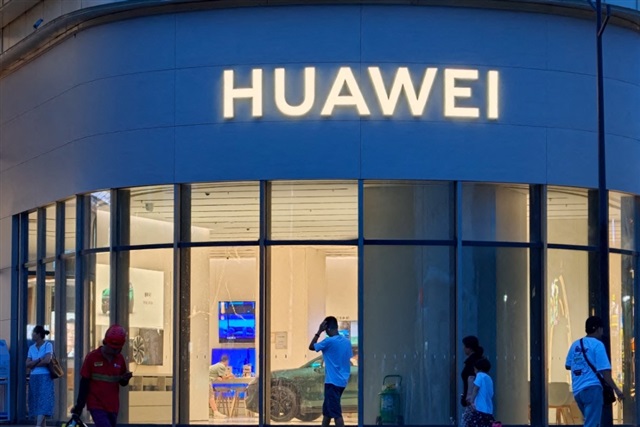
China's high-end AI chip market is on track to become nearly 90% domestically supplied by 2026, with local solutions expected to dominate and leave overseas suppliers like Nvidia and AMD with only about 10% of the market.
This marks a major shift toward self-sufficiency in a critical technology and reflects both the maturation of Chinese chip capabilities and the impact of trade restrictions on foreign vendors' access to the Chinese market.
What happened
China's high-end AI chip market is projected to reach nearly 90% domestic market share in 2026, leaving overseas suppliers like Nvidia and AMD with about 10%.
Why it matters
This shift signals a major consolidation of AI hardware production within China, driven by local alternatives. For global chip makers, it represents a substantial loss of one of the world's largest AI markets; for Chinese businesses and developers, it could mean greater domestic supply security and lower dependence on foreign technology.
What to watch
Whether domestic Chinese chip solutions can sustain the performance and reliability standards that overseas competitors have set, and how this reshaping of the market affects global AI infrastructure costs and geopolitical competition in AI supply chains.
China's high-end AI chip market is approaching a point of dramatic self-sufficiency. According to current projections, domestic Chinese solutions are expected to capture nearly 90% of chip sales in 2026, effectively reshaping the competitive landscape that has been dominated by overseas manufacturers. This leaves Nvidia, AMD, and other international suppliers with a combined market share of only about 10%. The shift represents both a technological achievement—Chinese chip makers have developed increasingly capable alternatives to foreign designs—and a strategic outcome of trade policies and supply-chain resilience efforts that have prioritized domestic capability. The scale of this transition underscores the critical importance of semiconductor supply chains to AI development and the geopolitical stakes embedded in control over chip design and production.
China's AI chip market is undergoing a decisive shift toward domestic supply. The projection that local solutions will claim nearly 90% of the high-end AI chip market in 2026 reflects years of sustained investment in indigenous semiconductor capabilities and design innovation. This move has been accelerated by trade restrictions and export controls that have limited overseas vendors' ability to serve the Chinese market with cutting-edge products. The dominance of domestic suppliers would represent a major rebalancing of the global AI infrastructure landscape, concentrating production and control within China's borders and reducing reliance on foreign technology that has been the foundation of AI deployment in the country.
AI-summarized, only the topics you pick — one digest a day via Email, Slack, or Discord.
Free · takes 30 seconds · unsubscribe anytime
Ask AI anything about this article. Q&As are published on this page for other readers too.
Foxconn announced on August 12 at its second-quarter 2026 earnings conference that it is broadening its busine…

Pegatron reported strong server business growth in Q2 2026 and said it has begun stocking inventory for H2 202…
Pegatron reported second-quarter 2026 results on the 12th, with net profit attributable to the parent company…
South Korea plans to establish a strategic investment account with at least 20 trillion won in assets within t…

Foxconn's second-quarter 2026 operating profit rose 68%, driven by stronger-than-expected revenue in its AI se…
Analysts have revised consensus earnings estimates upward, now expecting Nvidia earnings to grow 44% annually…
The AI news that matters, in one minute each morning.
Sign up free