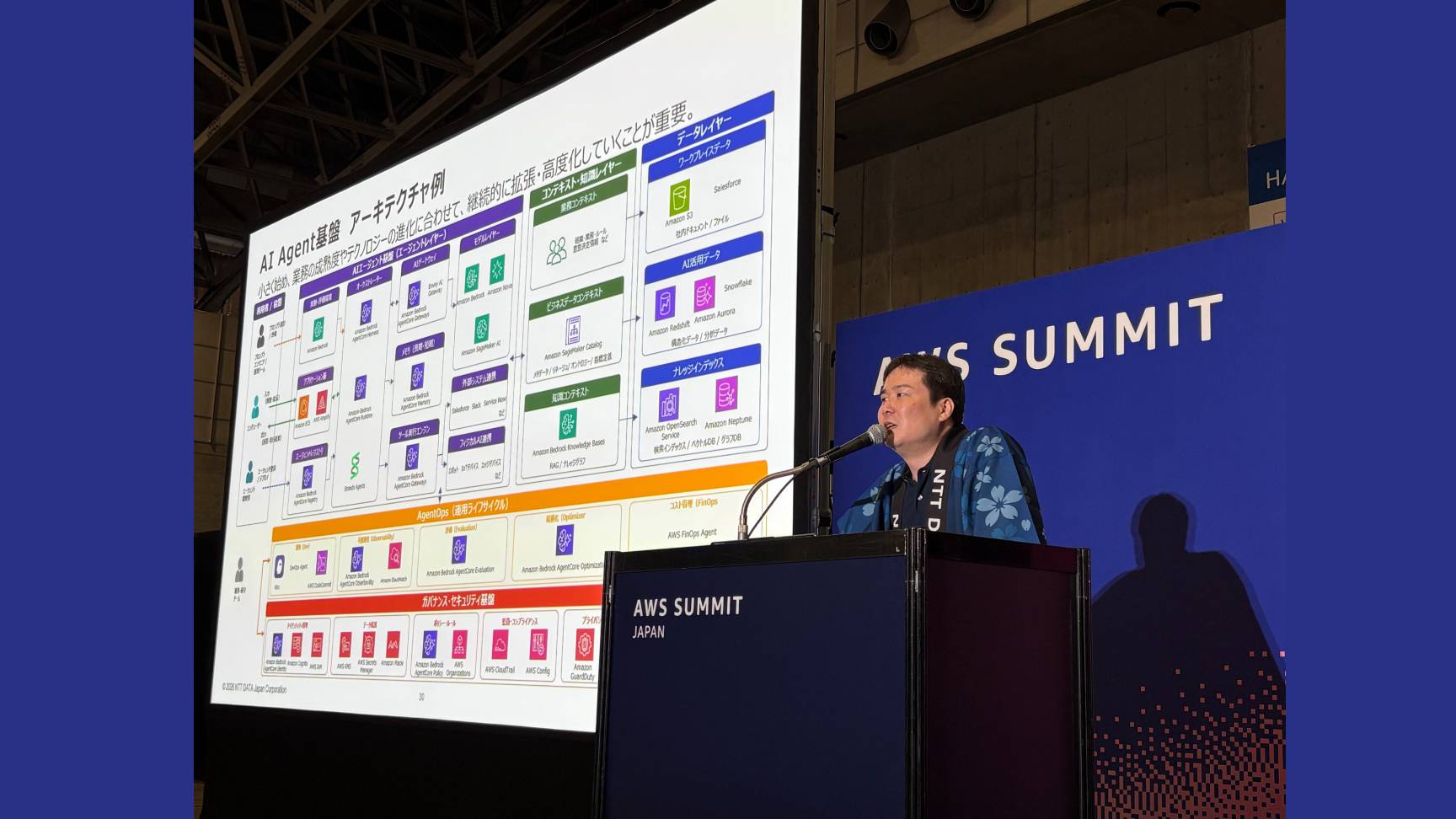
AI agents are moving from supporting tasks to leading business processes. NTT DATA shows real cases: knowledge transfer, faster surveys, and quicker product concepts.
The trend shifts customer contact designs toward AI agents. Companies should redesign workflows, not just add AI.
Security, data, and ongoing improvement remain key.
What happened
NTT DATA is moving AI use from simple efficiency tools to transforming core business processes. Examples include passing on expert knowledge at Kawasaki Heavy Industries and shortening a 9-month product concept task to 150 seconds for a major overseas food maker.
Why it matters
AI agents can now handle larger parts of business workflows, including customer contact points and internal operations. This shift means companies must rethink processes around AI, not just add it to existing tasks. The article highlights outcomes like cutting a survey period from 1.5 months to 0.5 days using AI-generated consumer personas.
What to watch
NTT DATA is applying AI in stages, starting with low-risk tasks and expanding as accuracy improves. They also offer services like LITRON Marketing, LITRON CORE, and LITRON Builder, and emphasize building an AI-ready data foundation, continuous improvement, and security governance.
Ask the AI about this article →
The article marks a shift from pilot projects to full-scale AI adoption, with NTT DATA presenting examples where AI is embedded in core business processes. The Kawasaki Heavy Industries case shows how interview and tutor agents turn tacit expert knowledge into reusable assets for younger staff. The Kao case demonstrates using AI-generated consumer personas to cut survey periods dramatically. These examples support the argument that AI agents are not just tools but catalysts for redesigning how work gets done.
A key theme is the changing nature of customer interaction. The article predicts that personal AI assistants will represent customers, so companies must design information that AI agents can understand and select, rather than only optimizing for human web visitors. This implies a shift in information architecture and content strategy, though the article does not provide concrete details on implementation.
The practical guidance centers on three pillars: an AI-ready data foundation, continuous improvement, and security governance. The staged approach—starting small and expanding based on risk and validation—reflects a cautious yet progressive strategy. The article emphasizes that AI should augment human capabilities, not replace them, with humans focusing on decision-making and creativity while AI handles routine tasks. Overall, the message is that successful AI transformation requires both technological infrastructure and organizational change, with NTT DATA positioning its services like LITRON and Smart AI Agent as enablers.
For example, today's edition would include:
AI-summarized, only the topics you pick — one digest a day via Email, Slack, or Discord.
Free · takes 30 seconds · unsubscribe anytimeWhat is AIToday? →
Ask AI anything about this article. Q&As are published on this page for other readers too.
Israeli startup DataAgent Ltd
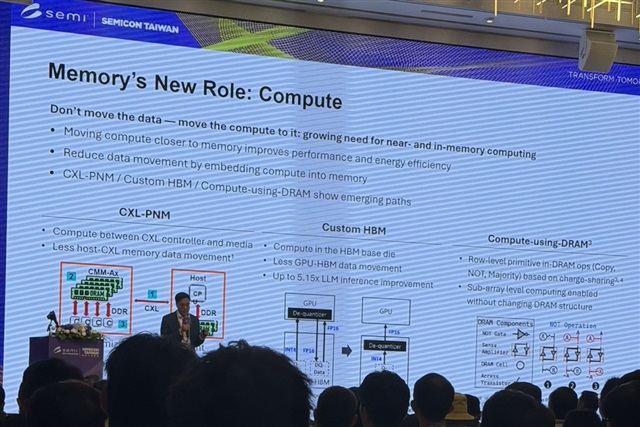
SK Hynix presented a custom HBM concept at SEMICON Taiwan 2026, where compute functions are placed in the base…
Taoyuan is positioning itself as a northern hub for AI data centers (AIDC), citing the Tatan area and an LNG c…
The U.S. Department of Defense announced on August 31 that it has deployed ChatGPT Mil, a customized version o…

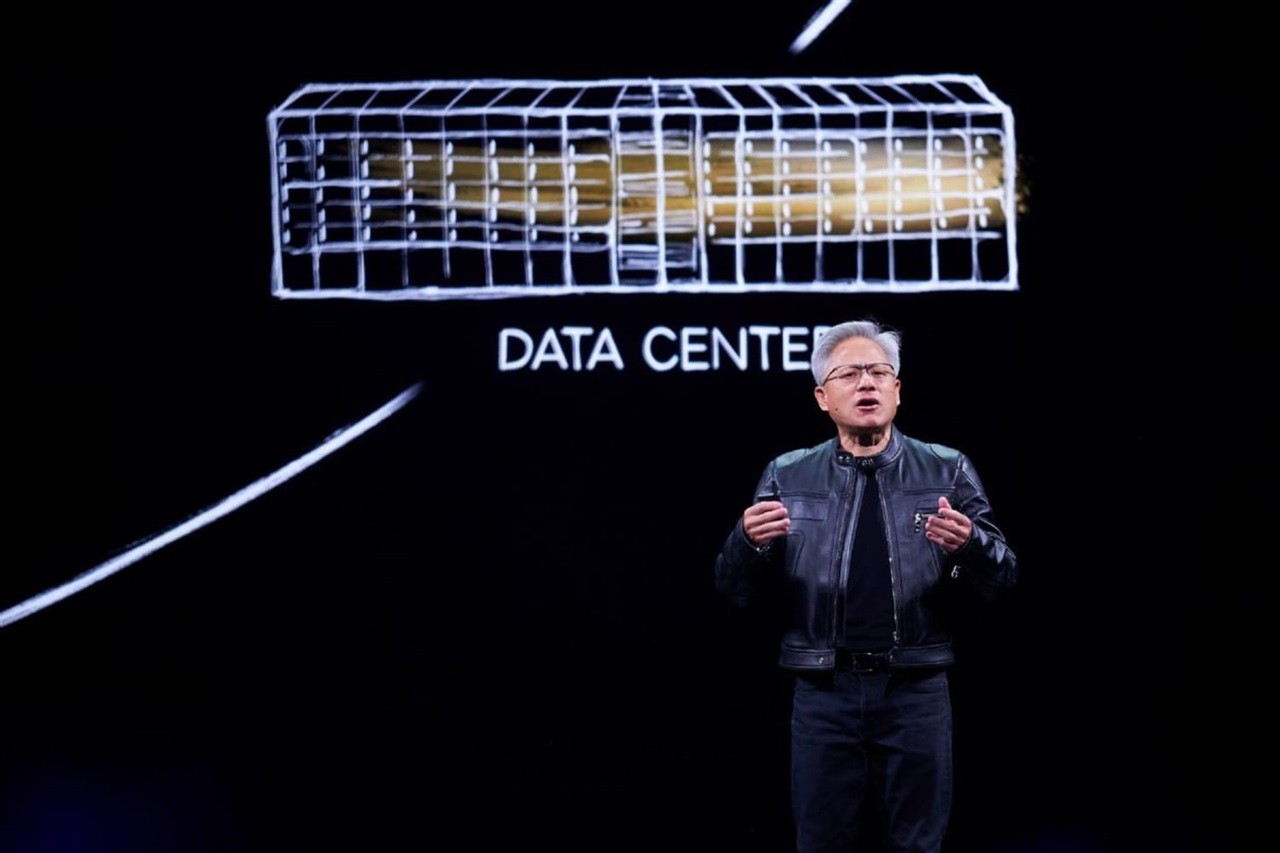
Nvidia reported earnings that were both remarkable and boring, reflecting its focus on avoiding a consolidated…

Anthropic has agreed to a $35bn cloud-computing contract with Lambda, a Nvidia-backed cloud provider