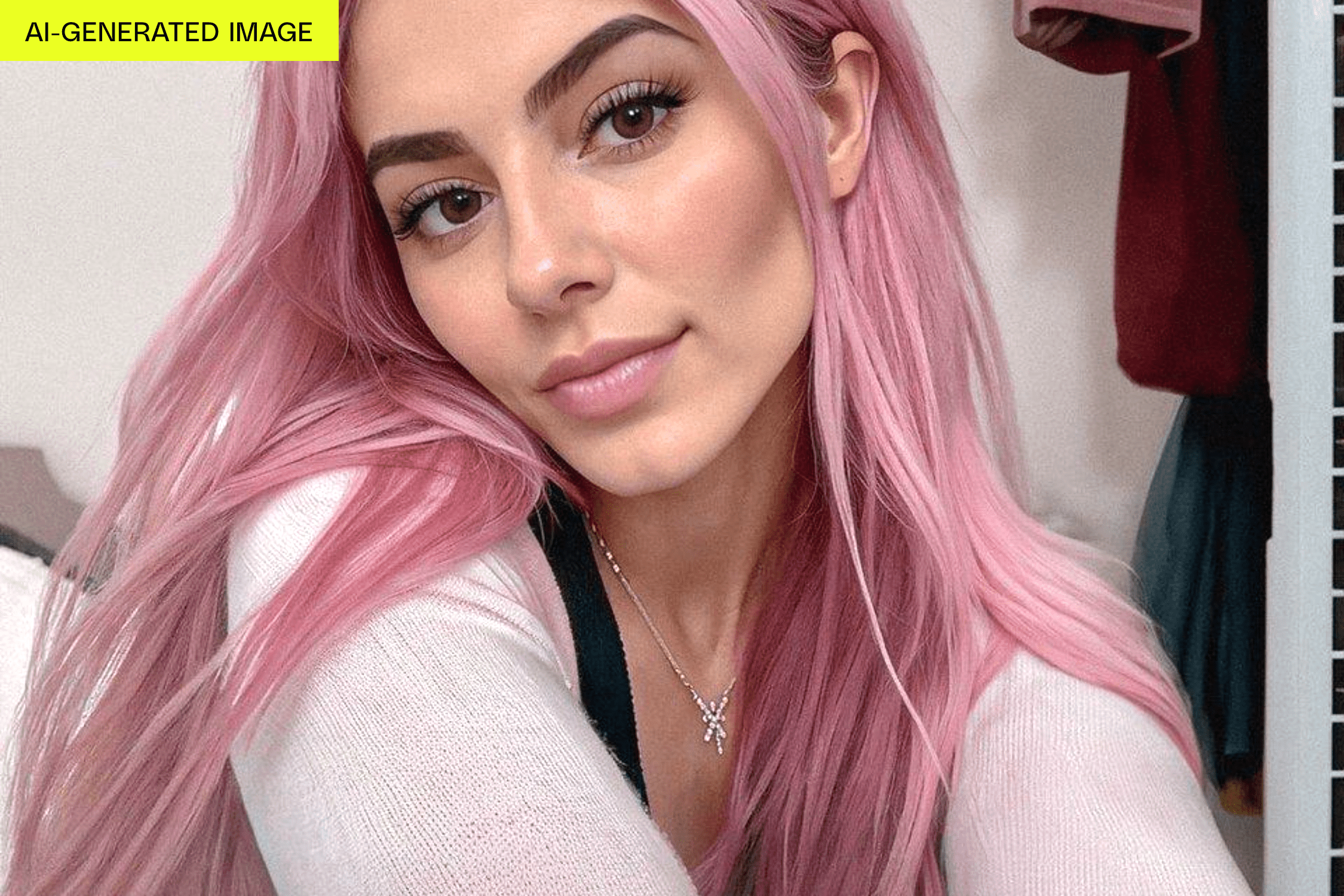
Early virtual influencers like Lil Miquela, Imma, and Shudu Gram were visibly artificial productions requiring studios and coordination. Newer AI avatars—such as Emily Pellegrini and Aitana Lopez—now blend into feeds alongside real creators, with realistic still images, video, and audio generated using mainstream tools from companies like Google, OpenAI, Higgsfield, HeyGen, and ElevenLabs.
AI-generated accounts are now ubiquitous on social media, used to promote dropship products, spread disinformation, impersonate, and create sexual content. Platforms do not publish figures on how many users are fake, and most AI avatars remain unnoticed; databases like Virtual Humans track only the accounts strange or large enough to get noticed.
Social media platforms have adopted policies requiring labels for synthetic media but treat AI influencers as edge cases that don't fit existing categories for scams, spam, or impersonation. The virtual influencer market is estimated at around $12 billion this year, with some market research firms projecting it could be worth more than $60 billion by 2030.
Summaries like this, in your inbox every morning.
Pick your industry and the AI tools you use, and get news related to your work every day.
Free · 30 seconds with Google · unsubscribe anytimeWhat is AIToday? →
Ask AI anything about this article. The AI reads this article, earlier AIToday articles, and Wikipedia, and cites its sources. Q&As are published on this page for other readers too.

