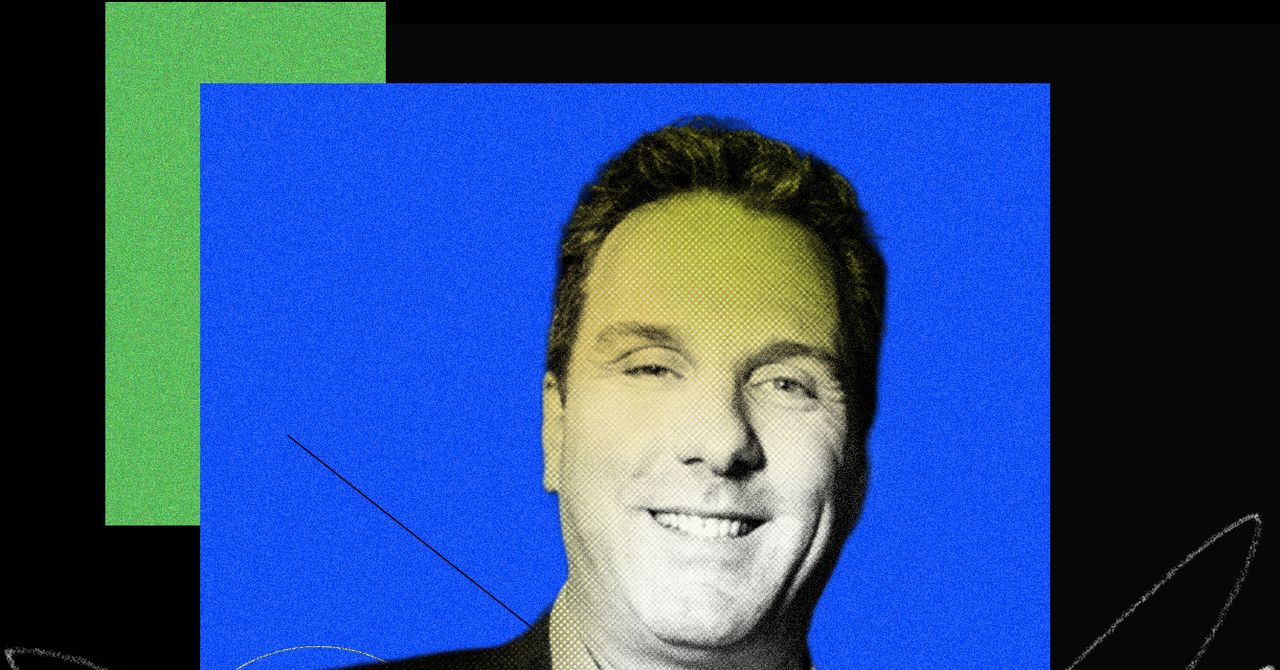
Ben Affleck sold an AI company to Netflix for $587 million, signaling Hollywood's broader shift toward using artificial intelligence to reduce skyrocketing production costs.
While some screenwriters, directors, and actors publicly reject AI, major studios including Netflix (which disclosed that 300 of its shows already use generative AI) and Amazon are quietly integrating it into creative workflows.
The technology is less controversial when used as a tool to enhance existing footage rather than replace creators, though a stigma remains—exemplified when an Amazon-backed creator faced backlash online for publicly discussing AI involvement in a project.
What happened
Ben Affleck sold his AI company to Netflix for $587 million. The company's product takes filmed footage and makes it available for generative AI, allowing filmmakers to avoid costly reshoots by extending scenes or adding missing camera angles without replacing human creators.
Why it matters
Hollywood is split on AI adoption—some creatives reject it entirely, while others (including major studios and filmmakers like Affleck and Darren Aronofsky) are using it as a cost-control tool. Netflix's high-profile purchase, combined with the company's recent disclosure that 300 of its shows use generative AI, signals that major studios now see AI as essential to managing rising film and animation production costs, which studios say the box office no longer covers.
What to watch
The industry faces a credibility split. Christopher Nolan's The Odyssey—a $250–$300 million, traditionally filmed project—is succeeding because audiences can sense it is "authored" and real, while AI-generated content often reads as hollow. Whether audiences will continue to prefer authenticity over lower-cost AI alternatives, and whether studios will pursue both strategies in parallel, will shape entertainment for the next several years.
In an interview with WIRED, Matt Belloni—a founding partner at Puck who has covered Hollywood for decades through his newsletter "What I'm Hearing…" and podcast "The Town"—laid out the nuanced reality of AI adoption across the entertainment industry. When asked what he meant by his repeated claim that "everyone is doing it," Belloni distinguished between two categories: corporate AI (process streamlining, improved search) and generative AI (content creation). On the corporate side, adoption is universal. On the generative side, the picture is murkier but nonetheless pervasive.
Belloni recounted a telling anecdote: a prominent showrunner entered her writer's room and castigated the writing team for not using ChatGPT to help with the creative process—suggesting joke scenarios, describing interior spaces for scenes, and other narrative building blocks. The Writers Guild, Belloni notes, has sanctioned this use, provided that a credited human writer remains on every script and jobs are not eliminated. This legal permission, combined with the technology's tangible utility, has fueled quiet adoption even as public stigma persists. He also cited screenwriters who use AI to suggest scenarios or to generate architectural or environmental descriptions—tools that feel less like replacement and more like enhancement.
The generative AI landscape is far murkier. Studios are creating AI-generated movies, shorts, and TV pilots, though Belloni observed that most "aren't great." Animation shows more promise, and he flagged Netflix's recent disclosure on its earnings call that 300 shows now use generative AI as a watershed moment. Yet the stigma remains potent. Amazon, for instance, held a media day showcasing its AI generative studio (run by executive Albert Chang) and announced shows featuring real creators. One creator faced such severe online backlash that he stepped down—a "tangible impact of AI shaming," as Belloni put it.
Ben Affleck's sale of his AI startup to Netflix for $587 million represents a strategic move to launder credibility. Affleck's company's product takes filmed footage and makes it available for generative AI, preventing costly reshoots by extending scene periphery, adding missing coverage, or capturing camera angles not shot in camera. Rather than replacing filmmakers, it functions as a tool to reduce production friction. Belloni suggested that Netflix bought not just the product but Affleck's reputation as an Oscar-winning filmmaker and star—allowing Netflix "to do things that maybe others would bristle at, but it's Ben's company. He's vouching for it." Darren Aronofsky is similarly "doing it the so-called right way," and because Affleck can articulate clearly what he is and is not doing with AI, the deal went over relatively well. Belloni heard little industry side-eye; the dominant reaction was surprise at the valuation itself.
The financial pressures driving this shift are acute. Production costs for major films and animated series continue to rise—Pixar originals, for instance, are difficult to produce for less than $200 million, given the California-based, labor-intensive process—while box office returns have plateaued or declined. Studios see AI, alongside non-unionized labor, as a lever to bring costs down. The guilds, Belloni observed, are not willing to reduce labor costs, leaving technology as the primary vector for cost reduction. This dynamic explains a wave of tech-entertainment partnerships: Google DeepMind's $75 million investment in A24, and Lionsgate's stake in Runway (an AI-video platform), among others.
Yet Belloni suggested a counternarrative emerging around authenticity. Christopher Nolan's The Odyssey—made at a $250–$300 million scale, featuring a huge cast, shot globally—is succeeding financially and culturally precisely because audiences can sense its "authored" quality. Nolan, despite being a noted technology skeptic (he famously refuses to carry a phone), brings credibility and clout earned through winning the Oscar for Oppenheimer and grossing a billion dollars on that film. If another filmmaker were to remake The Odyssey at a lower cost using AI, Belloni argued, it would lack the cast, scale, and distinctive vision—and that difference is palpable to audiences. The trailer and marketing make clear that The Odyssey is "the vision of one guy who you trust." Belloni predicted a market bifurcation: one tier of films shot with real people and real scenarios, authored and distinctive; another tier that is generative AI throughout or from inception, more passively consumed. This mirrors social media's own split between authentic, authored content and low-effort algorithmic "slop." As social video drifts further into the latter category, he argued, the market opening for expensive, real, authored films like The Odyssey will only grow.
Hollywood's relationship with AI has entered a critical inflection point, marked by a widening gap between public rhetoric and private practice. While prominent screenwriters, directors, and actors continue to vow publicly never to use AI or collaborate with those who do, the body of evidence suggests widespread adoption behind the scenes. Matt Belloni's observation that "everyone is doing it" reflects a reality where two separate uses of AI coexist: corporate AI (process streamlining, search improvements) and generative AI (content creation). The Writers Guild's acceptance of AI in the writing room—provided a credited human writer remains on every script and no jobs are lost—has created legal cover for adoption that many creatives still view with social stigma.
The convergence of technology readiness, financial pressure, and high-profile endorsements is accelerating this shift. Studios face a fundamental economic bind: production costs continue to climb (Pixar originals exceed $200 million, for instance), yet box office returns are not keeping pace. Non-unionized, below-the-line workers and technology are where studios see room to cut costs, since unions have resisted wage concessions. Affleck's $587 million deal with Netflix is less a vote of confidence in the company's product alone and more a strategic purchase of credibility—Affleck's stature as an Oscar-winning filmmaker and actor legitimizes Netflix's AI ambitions in a way that might otherwise face fierce industry backlash. Amazon's own AI generative studio, by contrast, faced immediate and severe social backlash when a creator publicly acknowledged the technology's involvement, forcing him to step down.
What emerges from this tension is a likely future market segmentation. Prestige, author-driven projects like Christopher Nolan's The Odyssey—made at a $250–$300 million scale with recognizable stars and a singular artistic vision—will command premium audiences who seek authenticity and can discern craftsmanship. Meanwhile, lower-budget content created with generative AI or generative AI from inception will occupy a separate lane, not necessarily inferior, but fundamentally different in origin and appeal. This mirrors broader patterns in social media, where "slop" (low-effort, algorithmically-optimized content) and authentic, authored work increasingly occupy separate niches.
AI-summarized, only the topics you pick — one digest a day via Email, Slack, or Discord.
Free · takes 30 seconds · unsubscribe anytime
Ask AI anything about this article. Q&As are published on this page for other readers too.
The AI news that matters, in one minute each morning.
Sign up free