What happened
Jamendo SA, a subsidiary of Winamp Group, filed a federal lawsuit in Massachusetts against Suno, Inc., alleging unauthorized use of musical content in the development of AI music generation technology. The complaint includes claims for copyright infringement, breach of contract, and unjust enrichment under U.S. law.
Why it matters
This case raises broader questions about how copyrighted works are used to train generative AI systems and whether creators are properly recognized and compensated. Jamendo filed a similar action against NVIDIA Corporation days earlier, signaling an escalating effort to protect both its own rights and those of the artists it represents.
What to watch
Under the U.S. Copyright Act, statutory damages may reach up to USD 30,000 per infringed work, or up to USD 150,000 per infringed work in cases of willful infringement. Suno was recently valued at approximately USD 5.4 billion following its latest funding round.
Summaries like this, in your inbox every morning.
Pick your industry and the AI tools you use, and get news related to your work every day.
Free · 30 seconds with Google · unsubscribe anytimeWhat is AIToday? →
Ask AI anything about this article. The AI reads this article, earlier AIToday articles, and Wikipedia, and cites its sources. Q&As are published on this page for other readers too.
ElevenLabs completed a $300 million employee tender at a $22 billion valuation, and co-founder Mati Staniszews…

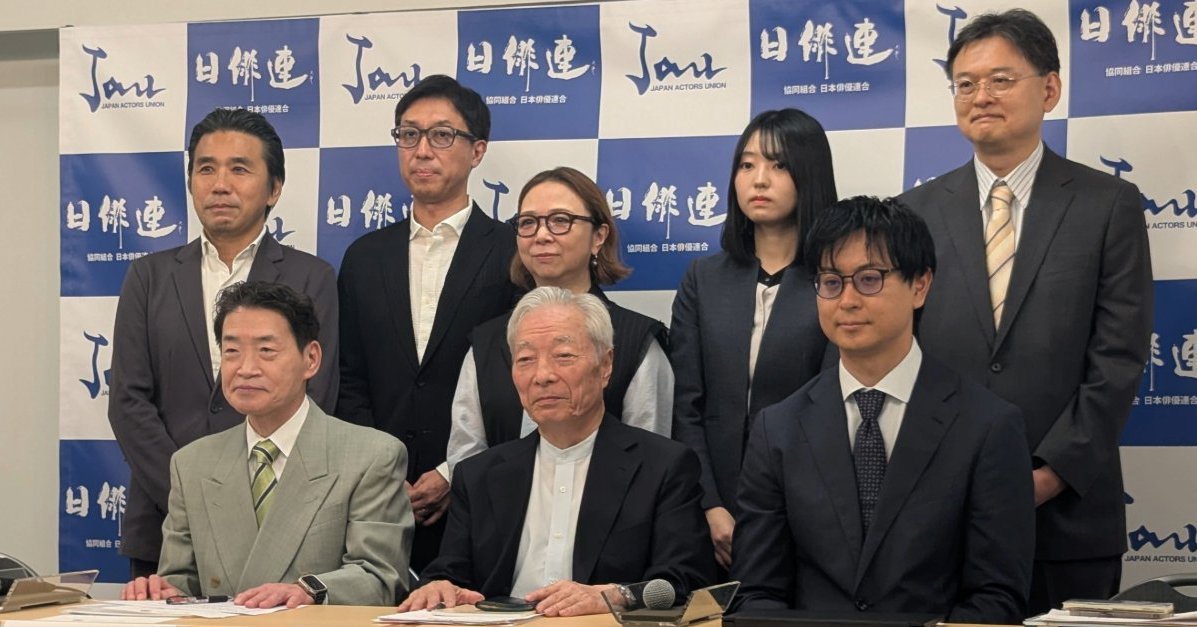
Nichiren announced its generative AI voice usage guideline on October 15, built on three pillars: prior notice…
A walkthrough shows Irodori-TTS, an open Japanese-only TTS model by Aratako, running on Databricks Model Servi…

A solo developer built Yurune, a web app that plays synthesized rain, wave and forest sounds and lets users ta…

The developer benchmarked Moonshine Voice's Japanese "Small Streaming" model against faster-whisper's small mo…

The Japan Actors Union adopted a generative AI guideline for voice on October 15, requiring prior consent from…