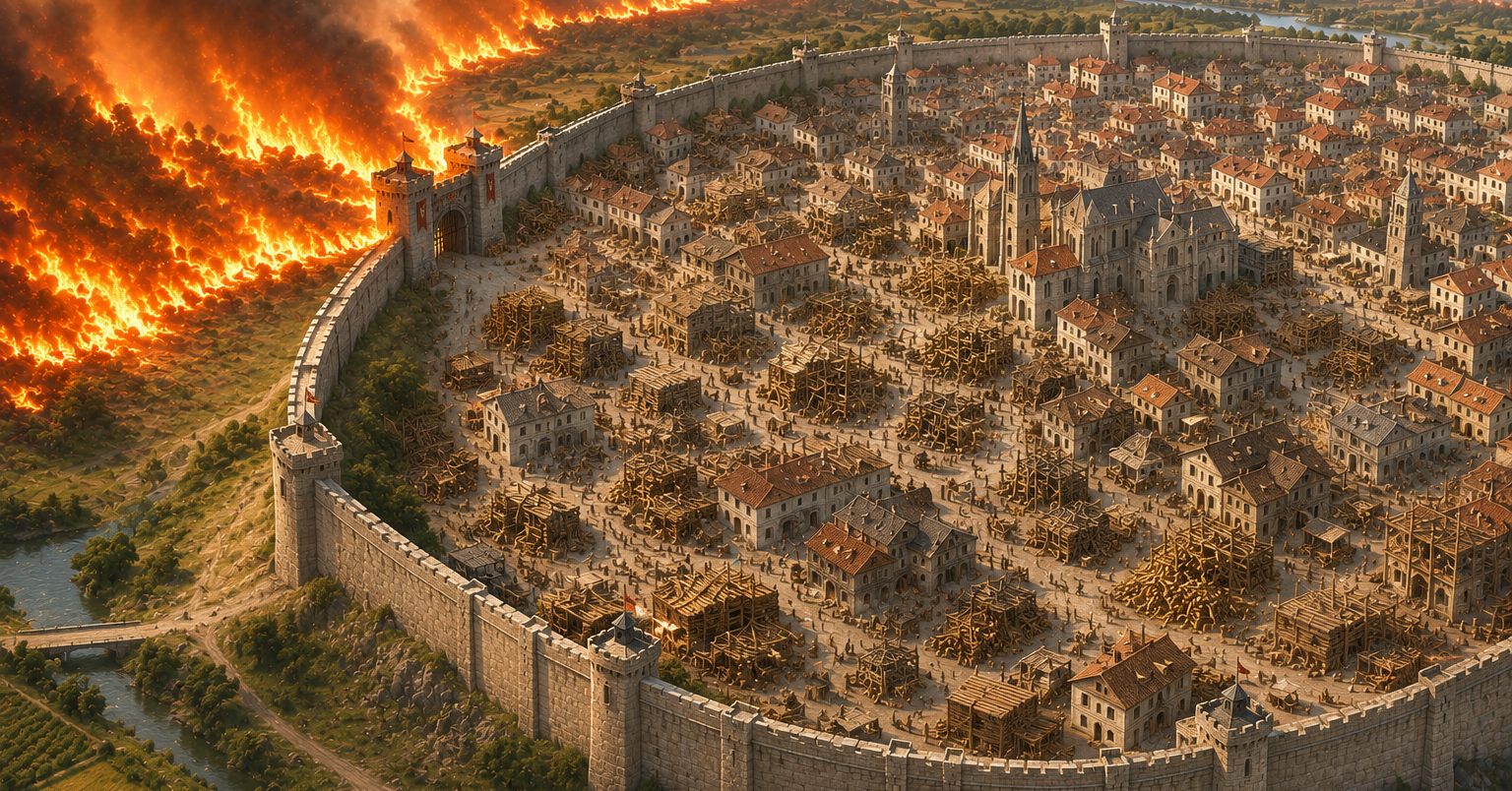
AIFP's Plan A proposes a US-China pact to freeze software development near the threshold of superintelligence while building massive computing resources meant to guide AI safely. However, the plan contains a critical flaw: those same computational resources would accelerate an intelligence explosion catastrophically if the agreement fails, turning the safety measure into a potential amplifier of the very risk it aims to prevent.
Summaries like this, in your inbox every morning.
Sign up free →What happened
AIFP's Plan A proposes a US-China agreement to pause software progress around 2030—the brink of a potential intelligence explosion—while both nations build up massive compute capacity to support safer AI development.
Why it matters
The strategy carries an inherent paradox: the same computing infrastructure built to make AI safer could dramatically speed up an uncontrolled intelligence explosion if the deal collapses. This means the remedy itself becomes a source of greater risk if control is lost.
What to watch
The core tension is that compute continues to grow even after software progress pauses, leaving a widening gap between the safety structures in place and the raw capability those structures must manage.
Plan A addresses a recognized existential risk: an uncontrolled, rapidly accelerating intelligence explosion driven by software innovation. The proposal to pause software progress at a critical moment—around 2030—attempts to create a window for safety research and infrastructure development before superintelligence emerges. The mechanism relies on international cooperation to hold that pause steady.
However, the body identifies a structural weakness in this approach. Building massive compute capacity during the software pause creates an asymmetry: the safety infrastructure is physically present and operational, but its effectiveness depends entirely on continued adherence to the software freeze. The analogy used in the body compares this to a city that halts an approaching fire at its gates, then constructs fire-study facilities entirely from dry tinder. The cure—the compute buildup—is materially incompatible with the worst-case scenario it is designed to mitigate. This is not a flaw in the compute itself, but a recognition that the plan's success rests on an assumption (continued cooperation) that, if violated, leaves the world with more dangerous tools than it would have had without the agreement.
No discussion yet for this article
Get curated AI news from 200+ sources delivered daily to your inbox. Free to use.
Get Started FreeFree · takes 30 seconds · unsubscribe anytime
1 minute a day. The AI essentials.
200+ sources · Email / LINE / Slack

