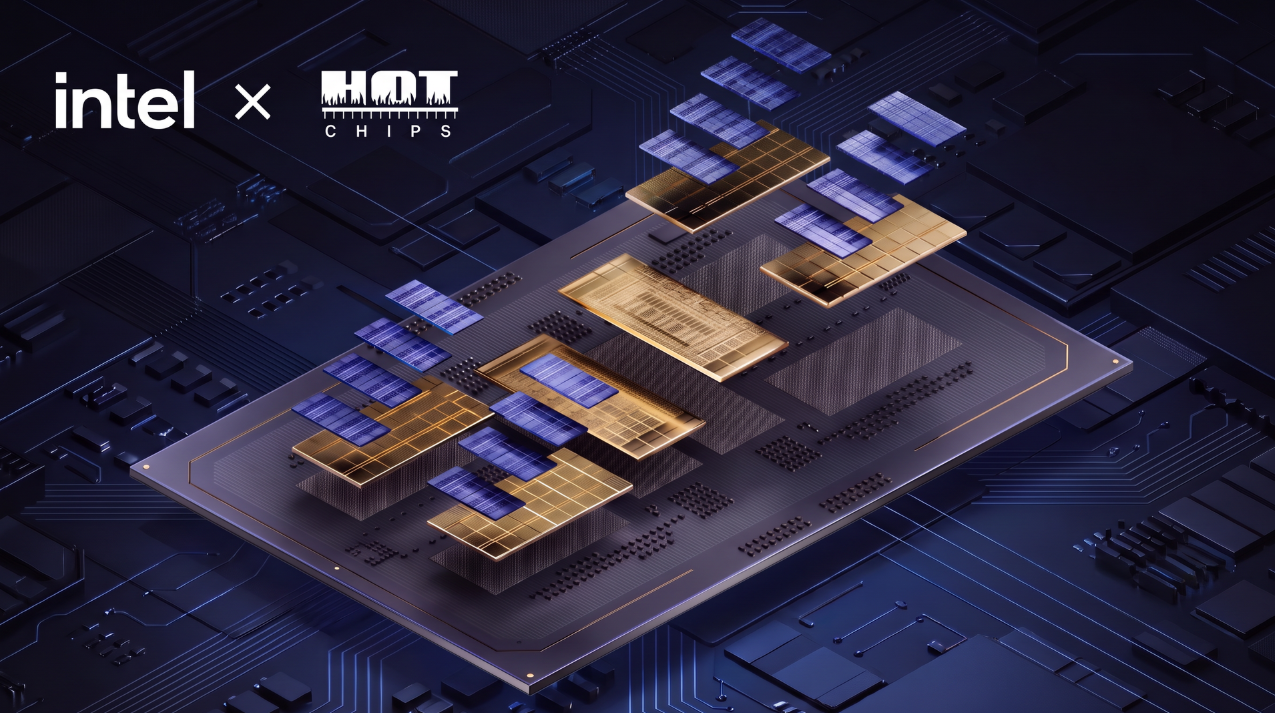
Intel unveiled three architectures for Agentic AI at Hot Chips 2026.
They combine a CPU, GPU and SoC for different computing needs.
The designs are built on Intel's 18A process and other foundry technologies.
What happened
Intel is showcasing three architectures for Agentic AI at Hot Chips 2026: Diamond Rapids, Crescent Island and Wildcat Lake. The processors are underpinned by Intel Foundry technologies, including the Intel 18A process family.
Why it matters
Agentic AI is fundamentally changing how computing is designed, says Intel chief technology officer Pushkar Ranade. The architectures aim to scale Agentic AI from the rack to the edge while balancing performance and economics.
What to watch
Crescent Island is a 350-watt air-cooled PCIe GPU with up to 480GB LPDDR5X memory, designed to improve inference economics. Wildcat Lake, launched as Intel Core Series 3, marks the first use of UCIe in an Intel processor.
Ask the AI about this article →
Hot Chips 2026 marks a significant moment for Intel as it details a coherent portfolio strategy for the emerging agentic AI market. Instead of a single product, the company is presenting a system-level approach with three complementary architectures. Diamond Rapids will handle high-performance orchestration for enterprise workloads, while Crescent Island is tailored for efficient inference, and Wildcat Lake targets client and edge devices. This heterogeneous strategy acknowledges that AI workloads are diverse and require different compute characteristics at different points in the network.
The underlying thread is Intel's manufacturing and packaging roadmap. All three designs leverage Intel Foundry capabilities, including the Intel 18A process and advanced packaging like Foveros Direct 3D. The move to adopt UCIe, an open chiplet interconnect standard, is notable. It suggests Intel is betting on modular, multi-die designs that can mix components from different sources, aiming to give customers flexibility in building systems that fit their power and cost constraints.
For example, today's edition would include:
AI-summarized, only the topics you pick — one digest a day via Email, Slack, or Discord.
Free · takes 30 seconds · unsubscribe anytimeWhat is AIToday? →
Ask AI anything about this article. Q&As are published on this page for other readers too.
Israeli startup DataAgent Ltd

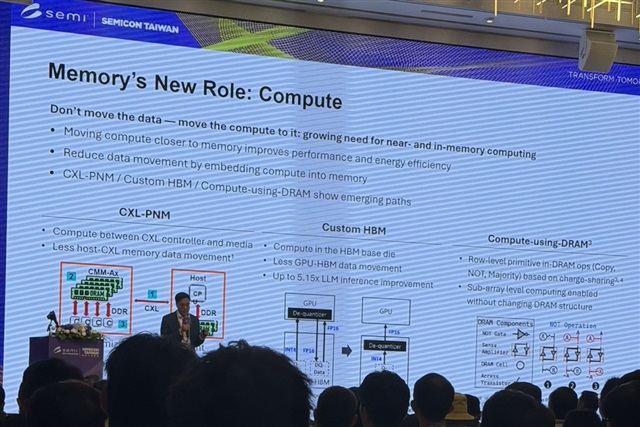
SK Hynix presented a custom HBM concept at SEMICON Taiwan 2026, where compute functions are placed in the base…
Nvidia reported earnings that were both remarkable and boring, reflecting its focus on avoiding a consolidated…

Anthropic has agreed to a $35bn cloud-computing contract with Lambda, a Nvidia-backed cloud provider

The Supreme Court of Japan has included about ¥60 million in its fiscal 2027 budget request for AI-related exp…
The Consumer Affairs Agency said Tuesday it will use generative AI to analyze about 900,000 annual consultatio…